



Arabic Designs: Bold Strokes
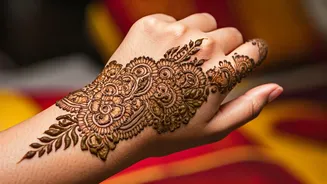
Arabic Mehndi styles are celebrated globally for their distinctive elegance, characterized by sweeping floral motifs, strategic use of negative space,
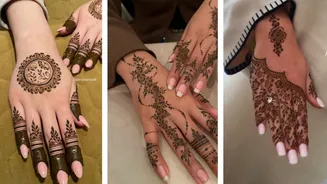
and graceful vine-like trails. These designs often appear lighter and are quicker to apply, making them an excellent choice for those favoring a more contemporary and minimalist aesthetic. A popular approach involves starting with diagonal floral elements, complemented by flowing vines and tendrils that add a touch of sophistication, particularly effective when paired with traditional attire. The openness of these designs allows the skin to show through, creating a delicate and airy visual impact. They are perfect for adding a decorative touch without overwhelming the hands or feet, embodying a modern yet timeless appeal.
Indian Designs: Intricate Artistry
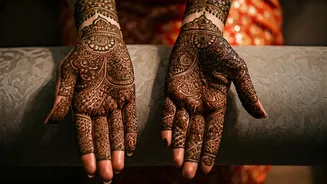
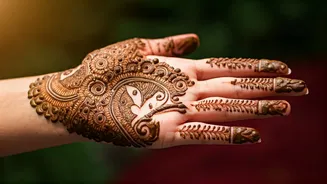
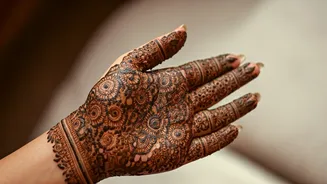
In contrast to the airy Arabic style, Indian Mehndi is renowned for its density and elaborate detail, deeply embedded in cultural traditions. This style typically involves comprehensive coverage of the hands and feet, incorporating intricate elements like jaali (net-like patterns), paisleys, depictions of peacocks, and complex mandala art. It is the quintessential choice for individuals who embrace a maximalist approach to Mehndi. Newlywed brides, in particular, often opt for these fuller designs, as they photograph beautifully and are considered auspicious for traditional ceremonies. The richness and complexity of Indian Mehndi patterns create a stunning visual tapestry, symbolizing blessings and celebration. Each element is meticulously placed to form a cohesive and breathtaking work of art.
Moon Motif Magic
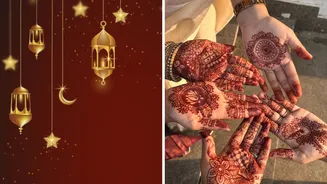
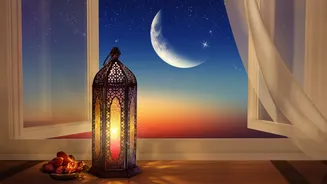
The crescent moon, a potent symbol of Eid, offers a beautifully understated yet significant motif for Mehndi artistry. This design can be interpreted in various ways, from elegant floral chandeliers adorned with moon elements to celestial arrangements featuring stars and delicate hanging chains. For those seeking a simpler, yet impactful design, a solitary half-moon placed strategically on the center of the palm or the back of the hand can make a striking statement. Inspired by the elegance seen in celebrity bridal looks, this motif is both modern and deeply traditional. It’s a subtle nod to the festival’s spirit, offering a chic and Pinterest-worthy option that is both easy to apply and visually captivating, perfect for a minimalist yet meaningful adornment.
Indo-Arabic Fusion: Best of Both
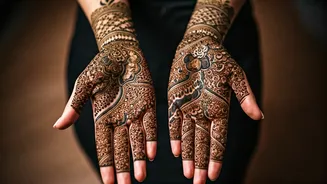
The Indo-Arabic fusion Mehndi style has gained immense popularity, harmoniously blending the bold, free-flowing nature of Arabic designs with the intricate detailing characteristic of Indian patterns. This approach allows for a balanced aesthetic, often featuring a central mandala element surrounded by delicate Arabic vines and floral accents on the sides. The result is a design that possesses a clean structure, enhanced with integral fillers, creating a visually pleasing and cohesive look. This trend is ideal for those who appreciate the strengths of both styles and wish to incorporate them into a single, harmonious design. Seeking out balanced online examples can provide inspiration for creating a custom design that is both aesthetically rich and spiritually resonant for the festive occasion.
Floral Mehndi: Timeless Bloom
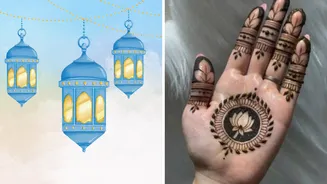
Floral patterns remain an enduring and universally cherished element in Mehndi art, never failing to impress with their beauty and versatility. Designs can range from clusters of roses and intricate leafy vines to elaborate bouquet arrangements, all filled with delicate leaves and petals. For a simpler yet equally elegant option, a single, beautifully rendered lotus flower placed at the center of the palm offers a chic and sophisticated look, perfect for a Pinterest-worthy design. Flowers inherently symbolize growth, joy, and new beginnings, aligning perfectly with the celebratory spirit of Eid Al-Fitr. Their timeless appeal ensures that floral Mehndi designs are always a popular and meaningful choice for the festive season, adding a touch of natural beauty.
Cultural Significance of Mehndi
Mehndi holds a profound cultural significance, especially during Eid al-Fitr, where its application traditionally occurs on 'Chaand Raat' (the night before Eid). This practice is deeply associated with blessings, joyous celebration, and the adornment of feminine beauty. In South Asian traditions, the richness of the henna stain is often interpreted as a symbol of love, happiness, and deep emotions. By 2026, Mehndi has transcended its ritualistic roots to become a significant fashion statement, playing a crucial role in enhancing one’s overall Eid styling and personal expression. It's more than just an adornment; it's an integral part of the festivities, connecting individuals to cultural heritage and personal identity.