





Coconut Oil's Deep Nourishment
Coconut oil stands out as a time-tested remedy, lauded for its ability to penetrate the hair shaft and mitigate protein loss, thus fortifying existing
hair against breakage. The real magic, however, lies in the accompanying scalp massage. By gently massaging the affected area with warm coconut oil for 5 to 10 minutes using circular motions, you enhance blood circulation directly to the hair follicles. This stimulation acts as a vital wake-up call for dormant hair, encouraging renewed growth. For optimal results, aim to incorporate this treatment 2 to 3 times per week, leaving the oil on overnight or for several hours before shampooing to maximize its benefits.
The Power of Onion Juice
While its potent aroma might be a deterrent for some, onion juice is a remarkably effective natural treatment for hair loss, largely due to its rich sulfur content. Sulfur is a fundamental component in the synthesis of collagen and essential hair proteins. To prepare and apply, finely grate or blend an onion, then extract its juice. Carefully apply this juice directly to the bald patches on your scalp, allowing it to sit for approximately 20 to 30 minutes before rinsing thoroughly. This potent treatment is known to improve blood flow to the scalp and has shown promise in clinical observations for its efficacy in treating patchy hair loss. To mitigate the strong scent, consider blending in a few drops of rosemary or lavender essential oil, which can help to mask the distinctive smell while potentially adding further benefits.
Soothing Aloe Vera Gel
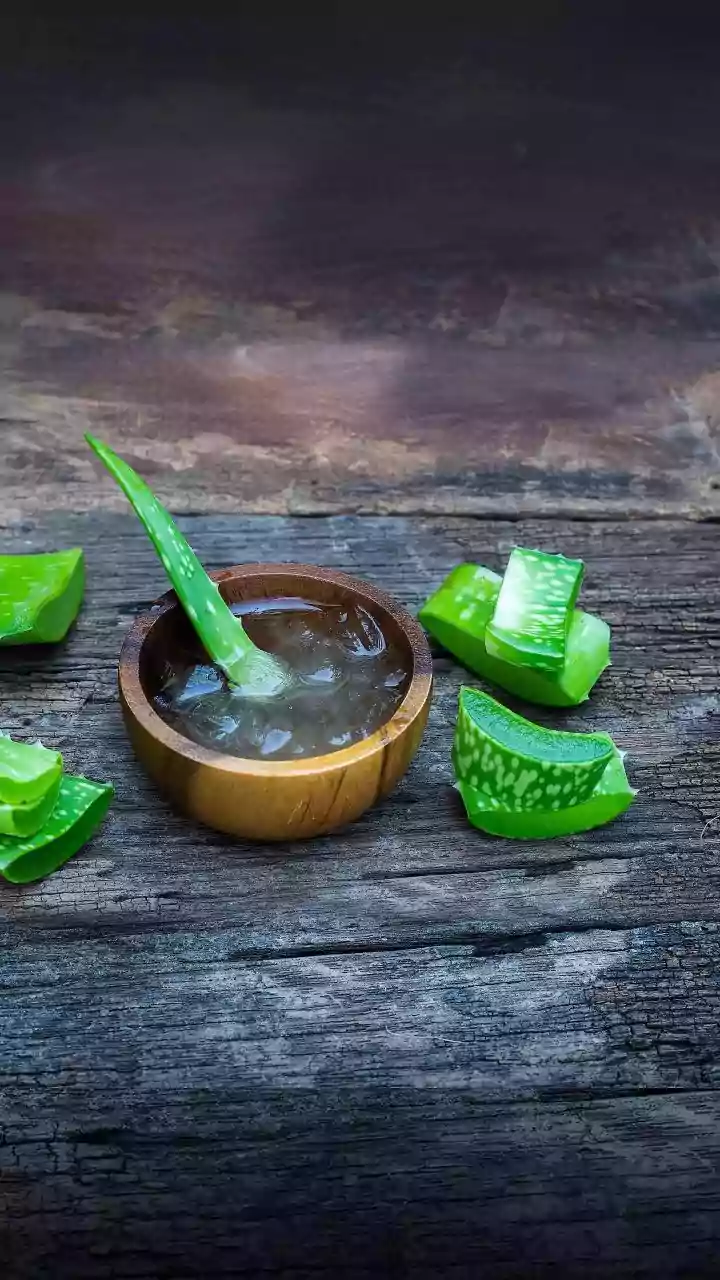
Aloe vera offers a calming and restorative effect on the scalp, particularly when inflammation, dryness, or irritation impedes hair growth. It functions as a beneficial treatment that soothes and revitalizes the hair follicles. For best results, utilize fresh aloe vera gel, applying it directly onto your scalp. Allow the gel to remain on the scalp for 30 to 40 minutes before gently rinsing it off with lukewarm water. The primary mechanism through which aloe vera aids hair growth is by clearing any obstructions in the hair follicles and reducing scalp inflammation, thereby creating an optimal environment for new hair to emerge. This soothing treatment can be safely performed 2 to 3 times weekly.
Castor Oil for Thickness
Castor oil is recognized as a highly potent hair treatment, primarily due to its abundance of ricinoleic acid, a compound celebrated for its ability to enhance hair thickness. Given its viscous consistency, which can be likened to honey, it is advisable to dilute it with a lighter oil such as almond or coconut oil. This thinning process makes the oil easier to distribute evenly across the scalp. After application and massage, it is recommended to leave the oil on overnight. Castor oil works by deeply nourishing the hair roots and establishing a protective layer on the scalp, fostering a healthier environment for hair growth. Due to its rich nature, applying it once or twice a week is generally sufficient to avoid overwhelming the scalp.
Fenugreek Seeds for Strength
Fenugreek seeds, a common kitchen staple, are a remarkably effective, yet often overlooked, remedy for hair concerns. These seeds are densely packed with vital nutrients, including nicotinic acid and protein, which are the fundamental building blocks of hair. To prepare this treatment, soak fenugreek seeds in water overnight. The following morning, grind the soaked seeds into a fine paste. Apply this paste generously to your scalp, allowing it to work its magic for approximately 30 minutes before washing it off. Fenugreek is widely regarded as one of the most beneficial traditional methods for reinforcing hair at the root and stimulating regrowth in areas experiencing thinning.
Garlic Oil Stimulation
Mirroring the potent properties of onions, garlic is another powerhouse of sulfur, making it an excellent stimulant for areas where hair growth has significantly slowed. To create this potent oil, gently crush a few cloves of garlic and simmer them in a small amount of coconut oil. Allow the mixture to cool completely, then strain out the garlic solids. The resulting infused oil can be used as a targeted treatment for bald spots. Apply it once a week to invigorate the scalp and encourage renewed growth in stalled areas. This concentrated approach aims to provide an intense boost to dormant follicles.
Mastering Stress and Diet
Beyond topical applications, managing stress and optimizing your diet are critical for reversing hair loss. High cortisol levels, often a byproduct of chronic stress, can halt the hair growth cycle, leading to conditions like telogen effluvium. Prioritizing 7-8 hours of quality sleep and incorporating stress-reduction techniques such as deep breathing or yoga for even five minutes daily can significantly calm your nervous system and positively influence your hair's growth cycle. Furthermore, hair receives nutrients last, so a balanced diet is paramount. Ensure adequate intake of protein (from sources like lentils and paneer), iron (found in spinach and dates), and healthy fats (from walnuts and seeds). Nutritional deficiencies, particularly iron deficiency, can impede hair regrowth regardless of topical treatments.
Practices to Avoid for Growth
Sometimes, halting damaging practices is as crucial as implementing beneficial ones for encouraging hair regrowth. If you're dealing with bald spots, it's essential to steer clear of hairstyles that exert high tension on the hair roots, such as tight buns, braids, or ponytails. Additionally, minimize the use of heat-styling tools like flat irons, as excessive heat can weaken hair strands. Harsh chemical treatments, including strong bleaches and perms, should also be avoided until you observe significant regrowth. Protecting your scalp from further stress and damage creates a more conducive environment for natural hair regeneration.
Patience and Professional Guidance
It's vital to understand that hair regrowth is a gradual process, and patience is key; visible results typically emerge within several weeks. While home remedies can be incredibly effective, they are not a substitute for professional medical advice in certain situations. You should consult a dermatologist if the bald spot is expanding rapidly, if your scalp experiences pain or severe itching, if you are losing hair in large quantities, or if you have other concerning symptoms like extreme fatigue or irregular menstrual cycles, which could indicate underlying health issues such as thyroid dysfunction or PCOS. Recognizing when to seek expert help ensures comprehensive care for your hair health.