



Understanding Hantavirus Cases
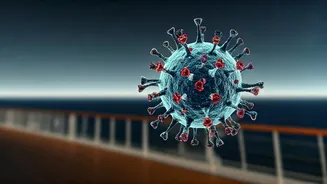
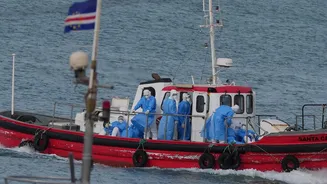
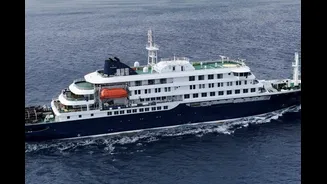
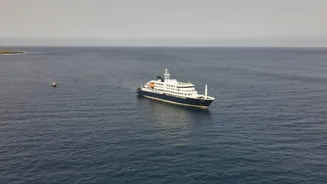
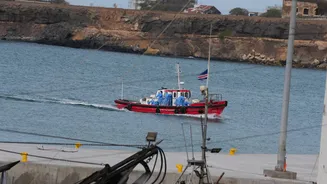
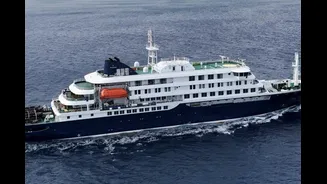
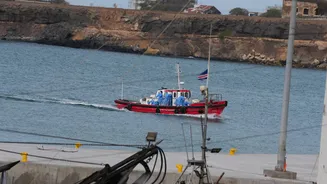
A concerning hantavirus outbreak, specifically the Andes strain, has been identified aboard the Dutch-flagged cruise ship MV Hondius. This vessel, carrying
147 individuals, set sail from Ushuaia, Argentina, on April 1st. As of May 4th, health officials have confirmed a total of seven cases linked to this voyage. Tragically, three of these cases resulted in fatalities. Additionally, one patient is in critical condition, while three others have reported experiencing milder symptoms. Laboratory analysis conducted in the Netherlands has definitively confirmed the presence of the Andes strain, a particularly virulent type of hantavirus, in the affected individuals. This event underscores the importance of vigilance and preparedness in public health, even in the context of leisure travel, highlighting the potential for infectious diseases to spread.
Transmission and Symptoms
Hantavirus is primarily transmitted through the inhalation of airborne particles from the droppings, urine, or saliva of infected rodents, as explained by Dr. Anthony Leung of the Cleveland Clinic's Infectious Disease department. However, it is crucial to note that previous outbreaks of the Andes strain have documented instances of human-to-human transmission, adding another layer of complexity to its spread. The incubation period for the Andes strain can range significantly, from a minimum of 4 days to a maximum of 42 days. Initial symptoms often mimic those of the common flu, presenting as headaches, fever, generalized muscle and back pain, and a loss of appetite. As the illness progresses, more severe symptoms can emerge, including chest pain and difficulty breathing. In the Americas, the fatality rate for this particular strain can be as high as 50 percent, making early recognition and medical attention vital.
Global Risk Assessment
Despite the serious nature of the outbreak on the MV Hondius, the World Health Organization (WHO) has assessed the overall risk to the global population from this specific event as low. The WHO continues to actively monitor the evolving epidemiological situation and will update its risk assessment as more information becomes available. Major cruise line operators are closely following the developments and have robust safety protocols in place to ensure passenger well-being. The Cruise Lines International Association (CLIA) stated that its member lines are mandated to implement comprehensive programs for illness detection and prevention onboard. Significantly, CLIA has reported no known cases of hantavirus on any of its member cruise ships, distinguishing the affected vessel from its network. They acknowledged awareness of the reports concerning the non-member cruise line, extending their sympathies to those impacted.
Traveler Precautions
For individuals traveling to regions where hantavirus exposure is a possibility, or engaging in activities that increase contact with rodents, consulting a doctor about potential risks is highly recommended. This advice extends beyond hantavirus to encompass other potential travel-related health concerns. Specifically for the Andes strain, health authorities have advised travelers venturing into South America to actively avoid areas known to be infested with rodents. Additionally, to mitigate the risk of person-to-person transmission, travelers are cautioned against close contact such as kissing and sexual contact. Sharing personal items like drinks, cigarettes, vapes, and eating utensils with individuals who may exhibit symptoms or be at risk is also strongly discouraged. These preventative measures are crucial for limiting the spread of the virus and protecting individual and public health.