






Glycemic Impact on Skin
Foods that cause rapid blood sugar spikes are major acne triggers. When you consume items like white bread, instant noodles, biscuits, and sugary beverages,
your body experiences a swift surge in glucose. This prompts a significant release of insulin, which in turn stimulates the production of androgens and insulin-like growth factor 1 (IGF-1). These hormones can overstimulate your oil glands, leading to increased sebum production. The excess oil, combined with dead skin cells, can then clog pores, creating an environment where acne-causing bacteria can flourish and trigger inflammatory breakouts. Opting for low glycemic index foods, such as whole grains, legumes, and a variety of fruits and vegetables, helps maintain more stable blood sugar and insulin levels, thus reducing the likelihood of these acne-promoting hormonal fluctuations and subsequent inflammation.
Dairy's Role in Breakouts
While not everyone with acne needs to eliminate dairy, it's a notable trigger for some individuals, particularly women. Milk, and especially skim milk, has been linked in certain studies to increased acne severity. The concern stems from the naturally occurring hormones and growth factors present in milk, which can influence your body's own hormonal balance and insulin response. These components can potentially contribute to increased sebum production and inflammation. Although some fermented dairy products like yogurt might have a different effect on the body, it's advisable for those struggling with persistent acne to consider an elimination trial, perhaps removing dairy for about six weeks, to observe if their skin shows improvement. This self-experimentation, ideally with guidance, can help pinpoint if dairy is a significant factor in your personal acne battle.
Fast Food Inflammation
The connection between fast food and acne is complex, and it's not simply about the grease. While fried and overly greasy foods might not directly cause pimples, they are often packed with refined carbohydrates and unhealthy fats. These ingredients are known contributors to systemic inflammation within the body. Chronic inflammation can exacerbate existing skin conditions like acne, making breakouts more severe and persistent. The combination of processed ingredients and high-fat content found in many fast-food meals can disrupt the body's equilibrium, potentially worsening acne for susceptible individuals. Reducing your intake of these types of foods and focusing on a diet rich in anti-inflammatory components is a crucial step towards healthier skin.
Whey Protein Caution
For many, whey protein supplements are a staple for muscle recovery and growth. However, for those prone to acne, these supplements can sometimes prove problematic. Whey protein is known to influence insulin and IGF-1 levels, similar to high-glycemic foods. This hormonal impact can potentially lead to increased sebum production and inflammation, thereby triggering or worsening acne breakouts in sensitive individuals. If you're experiencing a sudden increase in acne and regularly consume whey protein, it might be worth considering its role. An elimination period or consulting with a healthcare professional can help determine if this supplement is contributing to your skin issues.
Nourishing Foods for Clarity
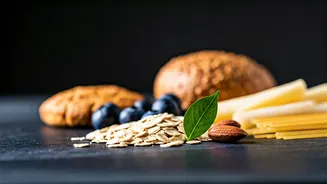
Transitioning to a skin-friendly diet involves embracing foods that combat inflammation and support overall health. Prioritize low-glycemic index options like whole grains, legumes, fruits, and non-starchy vegetables to maintain stable blood sugar. Incorporate lean proteins such as fish and chicken, alongside healthy fats found in avocados, nuts, and olive oil. Berries, leafy greens, and brightly colored vegetables are excellent sources of antioxidants that fight cellular damage and reduce inflammation. Don't forget about gut health; probiotic-rich fermented foods like kimchi and sauerkraut can be beneficial. Even simple choices, like drinking green tea, can help naturally regulate sebum production. These dietary adjustments work from the inside to foster a clearer, more resilient complexion.