






The Hidden Dangers
Many oils we regularly use in our kitchens, often lauded for their affordability and availability, can transform into harmful substances when subjected
to high temperatures or repeated use. This process can generate toxic compounds, leading to increased inflammation throughout the body, which is a known precursor to serious health issues like heart disease and even certain types of cancer. It's not just about the oil itself, but also how it's processed and how we handle it during cooking that dictates its impact on our health. Understanding these transformations is the first step toward making more informed dietary decisions and safeguarding our long-term well-being. The way these oils are extracted and refined often involves chemical processes that can further degrade their nutritional value and introduce undesirable elements, making their effects on our bodies even more complex and concerning.
Soybean Oil Concerns
Soybean oil, a staple due to its low cost and widespread use, often originates from genetically modified crops. Its high concentration of omega-6 fatty acids can disrupt the delicate balance with omega-3s, potentially fueling inflammation if the latter is not consumed adequately. When heated, especially at high temperatures, soybean oil breaks down into detrimental substances. Furthermore, its extraction process frequently employs chemical solvents like hexane, raising concerns about residual contamination. Overconsumption of this oil has been linked to an increased likelihood of weight gain, impaired glucose metabolism, and a heightened risk of developing insulin resistance, all of which are significant risk factors for chronic diseases and cardiovascular problems.
Cottonseed Oil Caution
Extracted from cotton plants, which are not typically consumed raw and are heavily treated with pesticides, cottonseed oil warrants a cautious approach. It contains a compound called gossypol, which, if consumed in substantial quantities, can negatively impact liver function and reproductive health. Due to these inherent risks and the nature of its cultivation and extraction, it's advisable to minimize its presence in your diet. The processing of cottonseed oil can also involve significant refinement steps that may alter its natural properties and introduce health considerations that are not immediately apparent, making it a less desirable choice for regular culinary use compared to other alternatives.
Corn Oil's Inflammatory Role
Similar to soybean oil, corn oil boasts a high ratio of omega-6 fatty acids and a deficit of omega-3s, thereby promoting an inflammatory state within the body. The industrial processing of corn oil often involves chemical solvents and extensive refining, which strips away beneficial nutrients and can lead to the formation of harmful compounds. Frequent consumption of corn oil has been associated with an elevated risk profile for several chronic health conditions, including heart disease, obesity, the development of diabetes, and an increased susceptibility to certain cancers. Its prevalence in processed foods further compounds these concerns, as it contributes to overall dietary imbalances.
Vegetable Oil Mixtures
Often a blend of various refined oils, 'vegetable oil' typically undergoes significant processing. This intensive treatment can lead to the formation of trans fats and other compounds that trigger inflammation. When subjected to repeated heating cycles during cooking, these oils degrade further, generating more toxic byproducts. This can contribute to elevated cholesterol levels, higher blood pressure, and systemic inflammation within the vascular system, increasing the risk of cardiovascular complications. The ambiguity of its composition, being a mix of several refined oils, makes it difficult to ascertain its precise health impact without detailed labeling, but the processing itself suggests potential pitfalls.
Refined Sunflower Oil
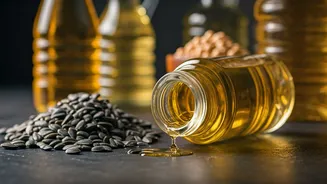
While some varieties like high-oleic sunflower oil offer better stability, regular refined sunflower oil is problematic for high-heat cooking. It is rich in omega-6 fatty acids, and when overheated, it readily oxidizes, producing harmful aldehydes and free radicals. These unstable molecules are strongly linked to cellular damage, promoting inflammation, and escalating the risk of heart disease and cancer. The refining process itself can diminish its natural protective qualities, making it less resilient to the stresses of cooking and more prone to breaking down into unhealthy components, thereby posing a threat to cardiovascular health and overall well-being.