





Steaming: A Healthy Choice
Steaming is a cooking method that preserves the natural nutrients of food by using vapor. Unlike frying or deep-frying, steaming doesn't require oil, making
it a healthier choice. Steaming helps retain vitamins and minerals, providing a light and easily digestible meal. It's a method perfect for cooking a variety of dishes, keeping them flavorful and nutritious, thus making it an ideal cooking technique for a healthy and balanced diet. This cooking process is a cornerstone of Indian breakfast traditions, lending itself perfectly to wholesome morning meals.
Idli: South Indian Staple
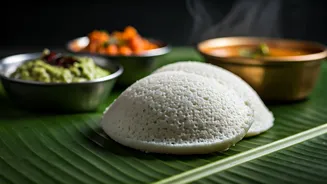
Idli is a beloved South Indian breakfast dish made from fermented rice and lentil batter. The batter is steamed to perfection, resulting in soft, fluffy cakes. Typically served with sambar (a lentil-based vegetable stew) and coconut chutney, idli is a light yet filling meal. Its fermentation process also makes it easier to digest. Each state in South India has its own variations, with subtle differences in texture and flavor, adding to its regional charm.
Dhokla: Gujarati Delight
Dhokla hails from Gujarat and is made from a fermented batter of rice and chickpeas. The batter is steamed until it becomes a spongy, fluffy cake. It is often tempered with mustard seeds, green chilies, and curry leaves for added flavor. Dhokla comes in various forms, like the traditional khatta dhokla or the more savory rava dhokla. This snack offers a delightful balance of sweet, savory, and tangy flavors, making it a popular breakfast choice.
Momos: Himalayan Treat
Momos, popular in the Himalayan regions, are steamed dumplings filled with various combinations of vegetables, meat, or cheese. The dumplings are typically seasoned with spices and herbs, and then wrapped in a thin dough. These are steamed to perfection, providing a soft and juicy texture. Momos are often served with a spicy chutney or soup, offering a warming and flavorful meal, perfect for a cold morning.
Modak: Maharashtra’s Gift
Modak is a sweet dumpling originating from Maharashtra, typically prepared during the festival of Ganesh Chaturthi. The outer layer is made from rice flour, and the filling consists of grated coconut and jaggery. These are either steamed or fried, with steaming being the healthier option. The soft, sweet filling complements the chewy exterior, making it a celebratory treat. Modaks represent prosperity and are integral to the festive spirit.
Puttu: Kerala’s Favorite
Puttu is a traditional breakfast from Kerala, made with steamed cylinders of ground rice and coconut. The rice flour is layered with grated coconut, and the mixture is steamed in a puttu kutti (steamer). The result is a soft, crumbly dish often eaten with kadala curry (black chickpea curry) or sweetened with sugar and banana. Its simplicity and balanced flavors make it a staple in Kerala households.
Khaman: Another Gujarati Dish
Khaman is another popular Gujarati snack, similar to dhokla but with a different texture and preparation. It's made from a fermented batter of chana dal (split chickpeas) and is steamed until fluffy. Often, it's flavored with a tempering of mustard seeds, chilies, and asafoetida. It's lighter than dhokla, and its airy texture makes it a quick and enjoyable breakfast, served with chutney and sev.
Idiyappam: String Hoppers
Idiyappam, or string hoppers, are rice noodles pressed from rice flour and steamed. These fine, noodle-like strands are steamed and served with coconut milk, egg curry, or vegetable stew. They are common in South India and Sri Lanka and have a delicate texture that makes them easy to eat. It is often enjoyed for breakfast, offering a mild, comforting start to the day.
Bati: Rajasthan's Hearty Choice
While not always exclusively steamed, baati, a staple from Rajasthan, is often complemented by steam-cooked preparations. Baati is a baked or steamed round bread made from wheat flour. It is traditionally baked over an open fire, but can also be steamed for a lighter result. Often served with dal (lentil soup) and churma (sweet crumbly mixture), baati provides a filling and satisfying breakfast, with the steamed version being a healthier choice.
Vada: Crispy & Steamed
While often deep-fried, vada can also be steamed or shallow fried for a healthier alternative. Vadas are savory doughnuts made from lentil batter, commonly served with sambar and chutney. The batter is prepared using a mix of different lentils and spices. Steaming the vadas retains their soft, fluffy texture, and reduces the oil content, making them a more nutritious option for breakfast. Enjoying steamed vada allows for a delicious start to the day without compromising on health.