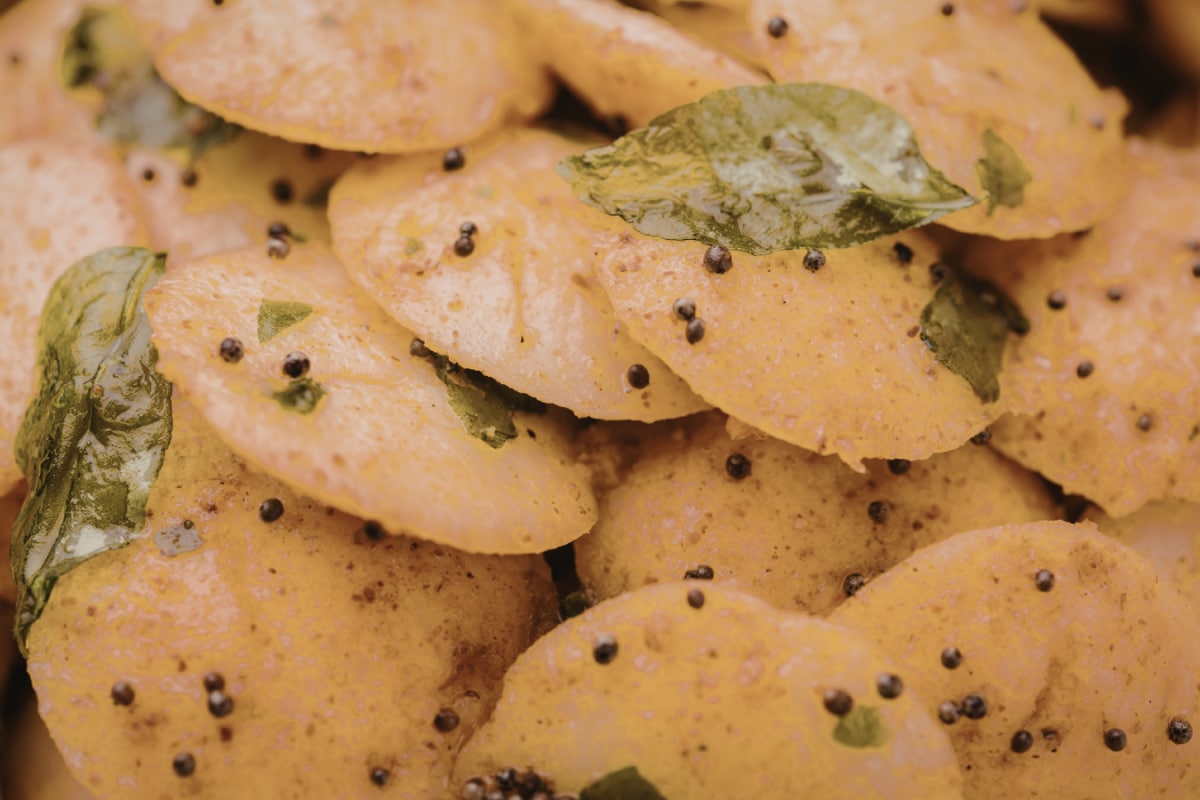



Jowar Idli Introduction
In today's health-conscious world, traditional grains are making a triumphant return, offering a nutritious alternative to everyday staples. Jowar, or sorghum,
is a standout among these ancient grains, celebrated for its impressive nutrient profile. Unlike conventional rice idlis, jowar idlis present a lighter, more easily digestible option, making them an ideal choice for individuals managing diabetes, seeking to lose weight, or simply prioritizing a fitness-oriented lifestyle. This versatile grain beautifully merges time-honoured flavours with contemporary dietary needs, offering a wholesome meal that can be effortlessly prepared in any kitchen. Embracing millets like jowar in your daily meals not only enhances overall family well-being but also ensures that health improvements come without compromising on taste, making it a delightful and beneficial addition to your breakfast repertoire.
Essential Ingredients
To craft these wholesome jowar idlis, you'll need a few key components. The foundation includes 1 cup of urad dal and 2 cups of cleaned jowar grains. Additionally, you'll incorporate 1 teaspoon of sago (sabudana), which contributes to a softer texture. Of course, salt is essential for flavour, to taste, and water will be used as needed throughout the preparation process. These simple, readily available ingredients combine to create a nutritious and satisfying breakfast that’s both easy to prepare and incredibly beneficial for your health. The combination of jowar and urad dal provides a balanced mix of complex carbohydrates and protein, while the sago adds a delicate, melt-in-your-mouth quality.
Soaking Grains First
The initial step in preparing your soft jowar idlis involves a crucial soaking period for the main ingredients. Begin by thoroughly washing both the urad dal and the jowar grains separately, repeating this rinsing process two to three times to ensure they are clean. Subsequently, place them in individual bowls and let them soak for a significant duration of 6 to 8 hours, or preferably, overnight. The sago can be soaked alongside the urad dal. An alternative approach allows for soaking the jowar and urad dal together before proceeding to the grinding stage. This soaking process softens the grains, making them easier to grind into a smooth batter and kickstarting the fermentation that leads to fluffy idlis.
Grinding Smooth Batter
Once the soaking is complete, drain the urad dal, jowar, and sago thoroughly. Transfer these softened ingredients into a mixer grinder. The goal is to achieve a smooth, well-blended batter. Add water incrementally, a little at a time, as you grind to reach the desired consistency, ensuring it's neither too thick nor too thin. Once you have a smooth batter, pour it into a wide bowl. Using a ladle, mix the batter thoroughly to ensure evenness. Cover the bowl securely and set it aside for the next important stage: fermentation.
Allowing Fermentation
With the batter prepared and transferred to a bowl, it's time to let it ferment. Cover the bowl tightly and place it in a consistently warm environment. This fermentation process is critical and typically takes about 8 hours, or can be done overnight, similar to the soaking period. By the following morning, you should notice that the batter has risen slightly and developed a lighter, airy texture, often characterized by small bubbles appearing on the surface. This natural fermentation is what imbues the idlis with their characteristic softness and fluffy consistency, making them light and easy to digest.
Steaming Idlis Perfectly
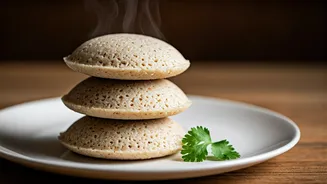
After the batter has successfully fermented and risen, it's time to add salt to taste and mix it gently into the batter. Prepare your idli plates by greasing them lightly to prevent sticking. Then, using a ladle, pour a portion of the batter into each mould. Meanwhile, bring a sufficient amount of water to a rolling boil in an idli steamer or a large pot with a lid. Carefully place the idli stand into the steaming vessel, secure the lid, and let the idlis steam for approximately 10 to 12 minutes. A simple toothpick test—inserting one into an idli and checking if it emerges clean—will confirm that they are perfectly cooked and ready.
Serving Suggestions
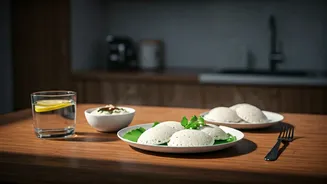
Once the idlis are steamed to perfection, allow them to cool slightly on the stand before carefully removing them with a spoon. This brief cooling period helps them firm up, making removal easier without breaking. These soft, nutritious jowar idlis are best served hot. They pair wonderfully with a variety of traditional South Indian accompaniments. Consider serving them with a flavourful coconut chutney, a zesty peanut chutney, or a comforting bowl of sambar. This combination creates a delicious, balanced, and incredibly healthy breakfast that will energize your day and keep you satisfied.
Health Perks of Jowar
Incorporating jowar into your diet, particularly in the form of these idlis, offers a wealth of health advantages. Jowar is exceptionally high in dietary fibre, which is crucial for promoting healthy digestion and effectively alleviating constipation. Its low glycaemic index makes it an excellent choice for managing blood sugar levels, proving beneficial for individuals with diabetes. As a naturally gluten-free grain, it serves as a safe and nutritious alternative for those with gluten intolerance or celiac disease. Furthermore, jowar is a good source of protein and iron, essential nutrients that help maintain energy levels and prevent anaemia. Its satiating properties also aid in weight management by promoting a feeling of fullness, thereby reducing the likelihood of overeating and supporting weight loss goals.