
Enrollment and Personnel
The data shows a situation where student enrollment in Delhi schools is on an upward trajectory. Simultaneously, the count of teachers has experienced
only a slight alteration. This juxtaposition raises crucial questions about the potential strain on existing resources. Larger class sizes can pose challenges for educators in providing personalized attention and maintaining effective teaching methods. Furthermore, it might necessitate strategic changes in the allocation of teaching staff across various schools to ensure equitable distribution and resources.
Analyzing The Data
Detailed analysis of the figures is essential to grasp the complete picture. The marginal change reported in teacher numbers could potentially hide significant variations across different school districts or types of schools. Some areas may encounter a shortage of educators, thus escalating the pressure on the existing faculty and impacting the quality of education. A deeper exploration should analyze factors like teacher-student ratios, subject-wise teacher availability, and the distribution of teachers among primary, secondary, and senior secondary schools to understand the effects on students.
Impact on Education
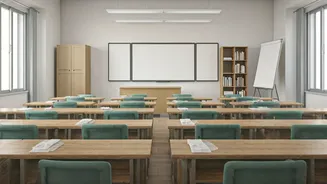
The stability in the teacher count amid a growing student population may result in larger classes. This, in turn, may pose difficulties for teachers to effectively cater to the varied learning requirements of each student. Moreover, overcrowded classrooms can possibly diminish opportunities for interactive activities, individual guidance, and in-depth understanding of subject matter. The existing resources, such as infrastructure and support staff, could also be impacted. These factors together have implications for educational quality and student success. Appropriate intervention may be needed to maintain and enhance educational standards.
Addressing the Issues
To address the potential challenges, strategic measures are required. Policymakers should focus on recruiting and retaining qualified teachers. Investing in professional development programs to equip educators with the skills to manage larger classrooms and diverse student requirements is critical. Also, optimizing resource allocation, promoting innovative teaching methods, and leveraging technology can help bridge the gap. Additionally, the government could explore methods such as incentivizing teachers, offering better infrastructure, and reducing administrative loads to improve the working environment for educators.
Future Implications
The observed trends in Delhi's education sector are expected to shape the educational landscape in the coming years. Policymakers and education administrators should undertake thorough data analysis and long-term projections to anticipate future requirements. Adapting to changes through proactive strategies will be paramount. Investing in teacher training, infrastructure, and technology will be essential to accommodate the changing demographics and ensure a high-quality education for all students. This holistic approach should foster a robust and equitable education system.