


Sacred Beginnings
The story of the shirt collar embarks in the 15th century, a time when its primary function was quite different from what we see today. Initially, collars
were conceived as a protective layer, worn discreetly beneath the often stiff and scratchy fabrics of religious vestments. Their purpose was straightforward: to shield the wearer's neck from the discomfort and irritation caused by these formal garments. This humble origin highlights how a design element, now a staple of everyday wear, was once a purely functional component rooted in the practical needs of clergy, ensuring comfort during long hours of devotion and ceremony. The initial conception was far from a fashion statement, prioritizing wearer comfort in an era where clothing materials and construction could be quite abrasive.
Renaissance Grandeur
As we fast forward to the Renaissance, the shirt collar undergoes a dramatic transformation, shedding its purely functional guise to become a dazzling emblem of prestige and affluence. The once-subtle neck covering blossomed into extravagant 'ruffs,' elaborate creations that adorned the aristocracy. These were not just fashion accessories; they were unmistakable signals of wealth and social standing, meticulously crafted and often the focal point of an entire outfit. The complexity and sheer volume of fabric used in ruffs signified that the wearer could afford such ostentatious displays, marking a significant shift from the collar's utilitarian roots to a powerful tool of social stratification and visual communication within the opulent courts of the era.
Structuring the Silhouette
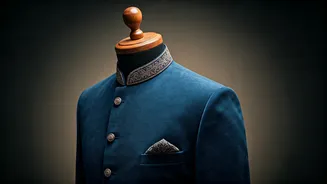
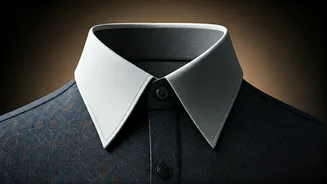
Beyond its historical and status-driven roles, the shirt collar plays a crucial part in defining the overall aesthetic of a garment and the wearer's appearance. It acts as a framing device for the face, drawing attention upwards and imparting a sense of structure and polish to the shirt. This architectural contribution is particularly vital in formal attire, where a well-defined collar lends a crisp, put-together look that is essential for professional or ceremonial occasions. The collar's ability to hold its shape and create clean lines helps transform a simple shirt into a more sophisticated piece of clothing, significantly impacting the perceived formality and style of the entire ensemble.
Weathering the Storm
In its early manifestations, the shirt collar served a practical purpose that extended to protecting the wearer from environmental factors. Beyond just shielding the neck from the fabric of outer garments, it provided a degree of insulation against cooler temperatures. This elemental protection meant that the collar wasn't just about comfort from clothing friction but also about contributing to the wearer's overall well-being in varied weather conditions. It offered a basic barrier against the chill, acting as a rudimentary defense against the elements, thus integrating functionality for both internal garment comfort and external environmental resilience into its design.
The Detachable Advantage
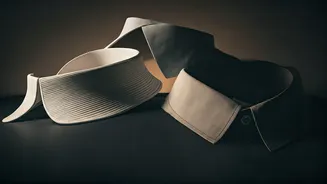
The 19th century introduced a revolutionary concept that significantly eased the burden of garment maintenance: the detachable collar. Prior to this innovation, washing an entire shirt to clean its collar was a time-consuming and arduous process. Detachable collars offered a brilliant solution. Men could wear a shirt multiple times by simply replacing a soiled collar with a fresh one, dramatically simplifying laundry routines. This ingenious adaptation made maintaining a polished appearance more accessible and efficient, reflecting a growing emphasis on practicality and convenience in everyday fashion during that period.
Enduring Formality
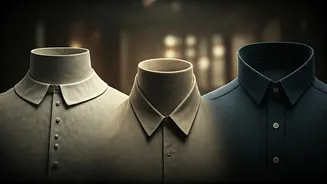
Even in contemporary times, the collar retains its powerful association with professionalism and formal occasions. The presence of a collar on a shirt immediately signals a level of seriousness and respect, making collared shirts a cornerstone of business attire and smart casual ensembles. Conversely, garments deliberately designed without collars are perceived as inherently more relaxed and informal. This enduring dichotomy highlights the collar's persistent role as a key indicator of dress code and social context, continuing its legacy as a subtle yet significant marker of formality in the modern wardrobe.