




Lunar Return Beckons
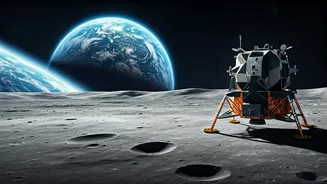
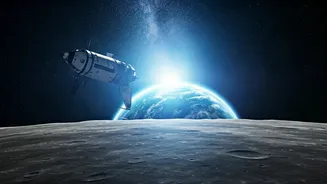
The upcoming Artemis 2 mission is generating considerable excitement, not just for its direct objectives but for the broader implications it holds for a sustained
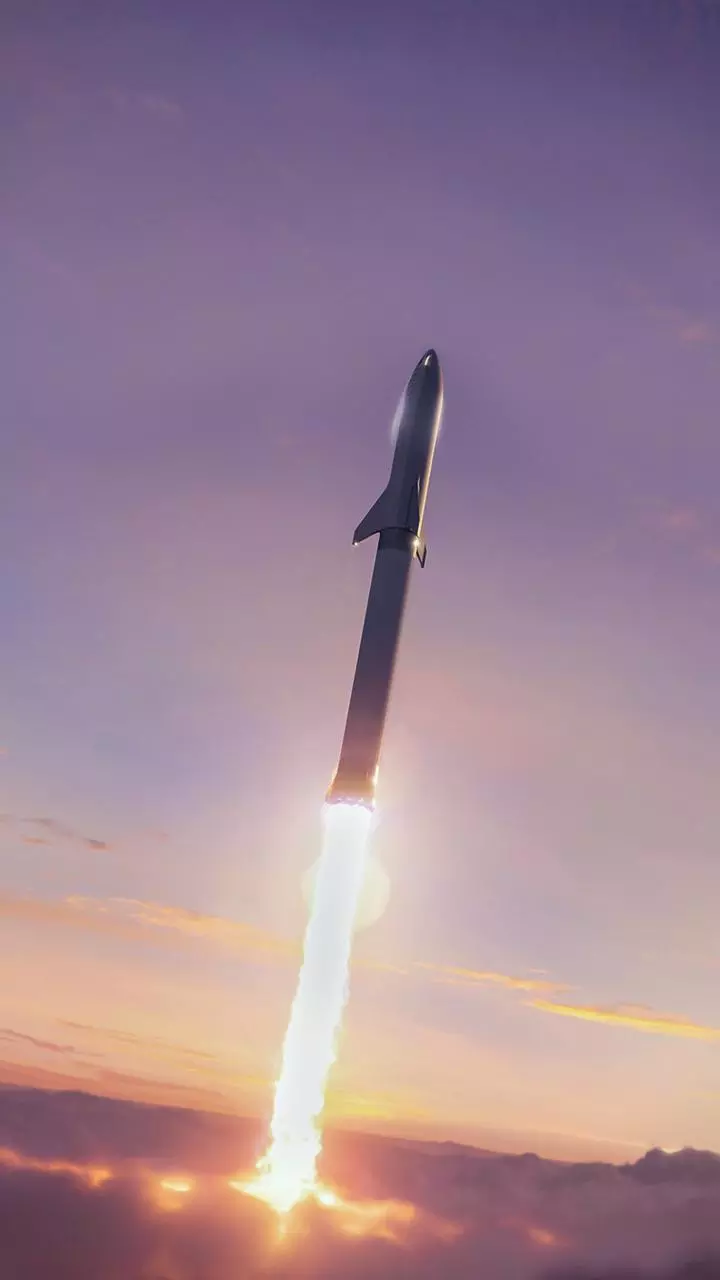
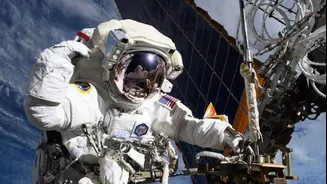
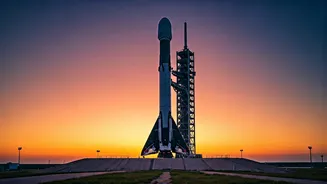
human presence on the Moon. This mission is seen as a crucial stepping stone, potentially allowing past lunar initiatives to fade into history as attention focuses on the future. Astronauts involved, like those on the Crew-12 SpaceX launch, are navigating a delicate schedule where their missions are intricately linked to NASA's lunar ambitions. The timing of these launches, such as the SpaceX Falcon 9 rocket's clearance to fly again, is critical. This period is characterized by a forward-looking perspective, where the immediate challenges and successes of current missions are viewed through the lens of achieving long-term goals in space exploration, particularly returning to and establishing a foothold on the lunar surface.
2026: A Space Milestone
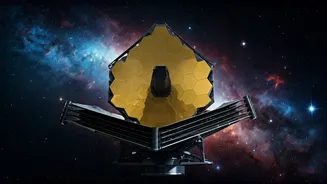
The year 2026 is shaping up to be an extraordinary period for space exploration, marked by both global collaboration and spirited competition. Beyond the highly anticipated Artemis 2 mission, which aims to send astronauts around the Moon, this year promises significant advancements. A new flagship space telescope is expected to revolutionize our understanding of the cosmos, peering into distant galaxies and phenomena. Furthermore, lunar exploration initiatives are poised to gain momentum, with various nations and private entities vying for prominence. This era signifies a renewed global interest in space, moving beyond single missions to establish a more consistent and ambitious presence beyond Earth. The year's events are set to redefine our relationship with space, pushing the boundaries of scientific discovery and human achievement.
Cosmic Discoveries Unfold
The universe continues to unveil its secrets, with recent observations from advanced telescopes providing groundbreaking insights. The James Webb Space Telescope has detected precursors to life's building blocks in a nearby galaxy, hinting at the possibility of life beyond our solar system. Meanwhile, other space telescopes have been observing intriguing cosmic events, such as an interstellar visitor comet, 3I/ATLAS, flaring up as it exits our solar system. These discoveries are not isolated incidents but part of a larger tapestry of scientific inquiry. They fuel our curiosity and drive the development of more powerful instruments to explore the vast unknown, from the origins of life to the mechanics of distant celestial bodies and the potential for future space tourism.