
Taming the Sweetness
One of the most frequent missteps in crafting homemade mango ice cream is the excessive addition of sugar. Mangoes, especially ripe ones, possess a natural
sweetness that can be easily masked. Before you reach for the sugar jar, thoroughly taste your mango puree. The goal is for the ice cream to vividly showcase the distinct taste of mango, not to become a sugary confection. Start with minimal added sugar, or even none initially, and gradually sweeten to your preference, ensuring the fruit's natural essence remains the star of the show.
The Crucial Churn
If you don't have an ice cream maker, the process of freezing your mango mixture requires active participation. Simply placing the unchurned base in the freezer will inevitably lead to the formation of large, unpleasant ice crystals, resulting in a hard, icy texture. To combat this, commit to periodically stirring the mixture. Aim to take it out of the freezer every one to two hours. This diligent stirring breaks down the developing ice crystals, incorporating air and promoting a smoother, creamier consistency, much like a churned ice cream.
Chill Before Freezing
A critical step often overlooked is the proper chilling of the mango ice cream base before it enters the freezing stage. Pouring a mixture that is still warm or at room temperature directly into the freezer is a recipe for textural disaster. This rapid freezing of warmer liquid leads to the formation of coarse ice crystals, compromising the desired silky smoothness. Ensure your mango base is thoroughly chilled in the refrigerator, ideally for several hours or overnight, to achieve a consistently creamy and delightful frozen dessert.
Balancing Creaminess
While cream is essential for that luxurious mouthfeel and richness in ice cream, an overabundance can actually detract from the delicate mango flavour. Think of it as a supporting actor, not the lead. Too much cream can dilute and mute the vibrant taste of the mango, making the final product taste less fruity. Achieving the perfect balance means using enough dairy to ensure a creamy, velvety texture without overwhelming the primary ingredient, allowing the true essence of the mango to shine through.
The Power of Straining
To guarantee a truly silky-smooth mango ice cream, the step of straining your mango puree cannot be skipped. Mangoes, even when pureed, can sometimes retain small fibres or unblended pulp fragments. Failing to strain these out means these undesirable elements will remain in your final ice cream, leading to a grainy or slightly unpleasant texture. A fine-mesh sieve is your best friend here, ensuring that only the smoothest, most luscious mango essence makes its way into your frozen treat.
Choosing the Right Mango
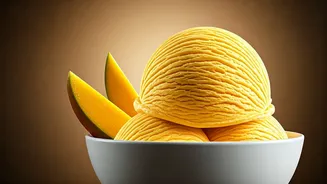
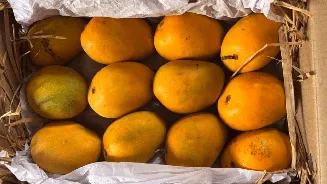
The foundation of exceptional mango ice cream begins with the fruit itself. Selecting unripe or overly fibrous mangoes is a swift route to disappointment. Unripe varieties lack the inherent sweetness and concentrated flavour needed for a vibrant ice cream, often resulting in a bland outcome. Conversely, mangoes with tough, stringy fibres will translate into an unappealing, coarse texture in your frozen dessert. For the most delectable results, opt for ripe, juicy mangoes known for their rich flavour, such as Alphonso or Kesar varieties.