




AI in Space
Artificial Intelligence is rapidly changing the landscape of space exploration, and it's not just about flashy sci-fi concepts. One notable achievement
involves AI-powered spacecraft capable of reorienting themselves. These intelligent machines can adjust their position in space autonomously, marking a huge move towards complete autonomy in space missions. Furthermore, AI is making spacecraft propulsion more efficient, which could pave the way for nuclear-powered rockets and long-distance space travel. Another exciting use of AI is demonstrated by a pilotless robot that successfully navigated the International Space Station, demonstrating the immense potential of AI in space. AI is also being used to find and fix vulnerabilities, as discovered when it fixed a security flaw in NASA spacecraft in only four days, which had gone unnoticed for three years. In addition, there is also a 'Galactic Brain' project aiming to put AI data centers into orbit, showing how important AI is in space exploration.
Satellite Innovations
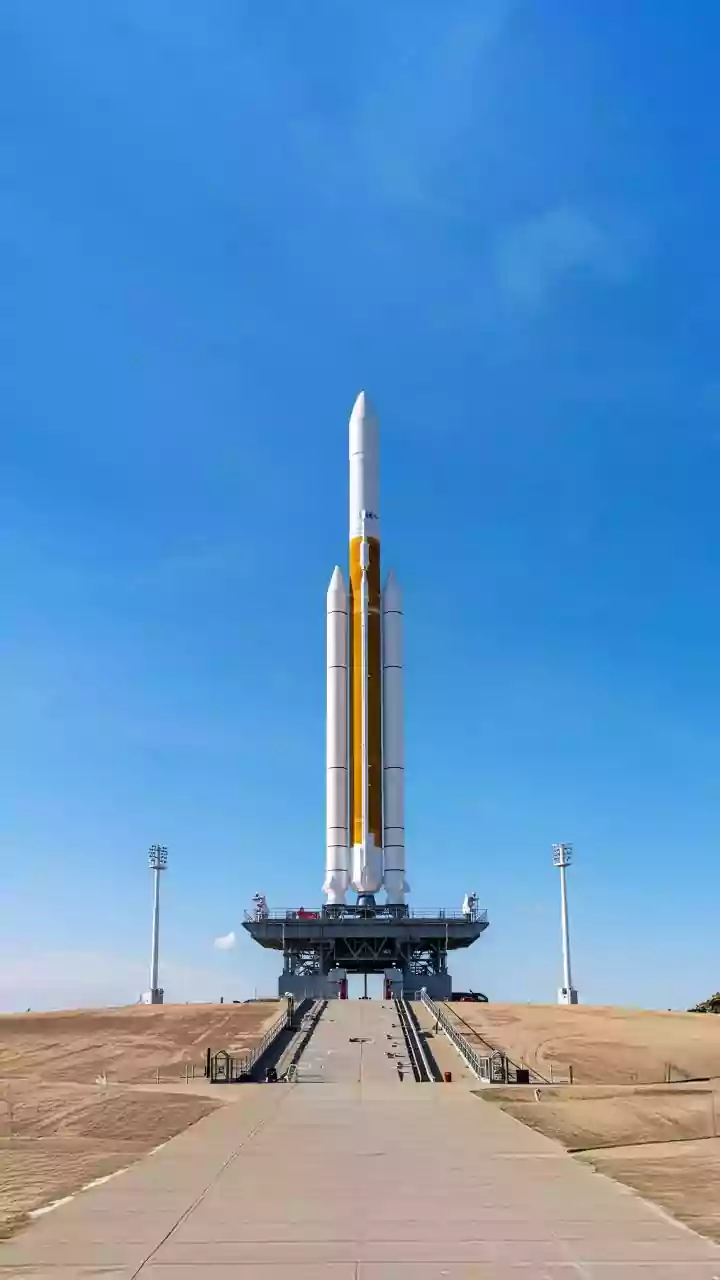
Satellites are at the heart of much of the action in space today, with many exciting developments in this area. A significant trend is the increasing number of satellites, particularly for communication and data gathering. The Atlas V rocket launched 27 of Amazon's internet satellites to orbit, expanding connectivity. The proliferation of satellite constellations, like Starlink, introduces challenges as well. These constellations could significantly hinder observations made by space telescopes due to their potential to obscure images. There are growing concerns about this satellite density and its effect on scientific research. On a more positive note, some of these satellites are used for good. Private satellites are now able to pinpoint methane emissions from industrial sources. Also, the increasing use of advanced technology in satellites is helping to advance various fields.
Data Centers in Space
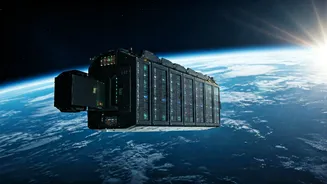
The idea of data centers in space is gaining momentum. A startup company announced its 'Galactic Brain' project. This project would place AI data centers in orbit, which is a sign of how rapidly technology is advancing in this field. Space-based data centers represent a unique solution for data processing, promising faster speeds and access than ground-based infrastructure. The industry is also seeing the launch of powerful new chips, like one from NVIDIA, specifically designed for space-based data centers. Such advancements are being driven by a need for increased processing power and the potential advantages of orbiting data centers. The year 2027 is speculated to be a year when AI truly goes to orbit.
Other Space Tech
Beyond AI and satellite technology, many other space-related developments are underway. One exciting example is the exploration of color-changing, bacteria-infused spacesuits, which could shield astronauts from dangerous space radiation. Scientists are still dealing with space debris. Another area of focus is on the solar system, with HEO Robotics aiming to provide deep-space imaging capabilities. Also, NASA's Parker Solar Probe has captured some interesting observations, including a 'U-turn' in the solar wind. A team is also working to create space mirrors. However, the project is alarming scientists because of its potential consequences.
Regulatory and Challenges
As space activities increase, regulatory bodies are adapting to meet new challenges. The FCC is promoting 'Space Month' to streamline space regulations, a necessary step for managing the growing number of space-based initiatives. There are challenges, as well, such as the potential for wildfire smoke to affect Earth's climate. The risk of space debris and light pollution poses another challenge that demands solutions. The emergence of many new projects requires careful planning to ensure the sustainability of space exploration and protect scientific research.