








Understanding Heat Transfer
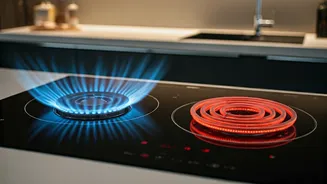
The fundamental distinction between induction and electric cooktops lies in their heating mechanisms. An electric cooktop operates by heating its surface
first, which then transfers warmth to your cookware. This indirect heating process means it takes longer to reach the desired temperature. Think of it as a gradual warming up. Conversely, an induction cooktop utilizes magnetic energy to generate heat directly within the cookware itself. This direct contact means your pan heats up almost instantaneously, leading to significantly faster cooking times. This core difference impacts everything from speed to energy efficiency, making one a more direct and rapid option for meal preparation.
Speed and Functionality
When it comes to performance, induction cooktops demonstrably outperform electric ones in terms of speed. Electric cooktops rely on heating coils that glow red, gradually warming the cooktop surface, which then heats your pot or pan. This system works with virtually any type of cookware, making it a straightforward upgrade from a traditional LPG stove. Induction cooktops, however, employ electromagnetic fields. This direct energy transfer to magnetic cookware means water can boil in as little as 3 minutes, a significant advantage for busy mornings. Electric cooktops, with their multi-step heating process, are considerably slower. For those seeking to shave minutes off their cooking routine, induction presents a clear benefit.
Heat Control and Energy Use
The responsiveness of heat control is another area where induction excels. Induction cooktops can be adjusted instantly, cooling down as rapidly as they heat up. This precision is invaluable for delicate dishes like custards or halwa that require meticulous temperature management. Electric cooktops, while more forgiving in their slower cooling, don't offer the same level of immediate control. Once turned down, they retain heat for a period, which can be beneficial for simmering dishes like curries. In terms of energy efficiency, induction cooktops are the clear winners. By directing heat precisely into the cookware and minimizing heat loss to the surroundings, they consume less electricity than electric cooktops, which, like LPG stoves, lose some energy to the environment. This makes induction not only more efficient but also slightly more economical to operate over time.
Safety and Maintenance
Safety and ease of cleaning are also points of consideration. Induction cooktops remain relatively cool to the touch, even during use, as the heat is generated directly in the pan. This significantly reduces the risk of food sticking or burning onto the surface, making cleanup as simple as wiping it down. Accidents like touching a hot surface are also less likely. Electric cooktops, on the other hand, have a hot surface that can cause spilled food to bake on, requiring more rigorous scrubbing to keep clean. Furthermore, electric cooktops take longer to cool down after use, increasing the potential for accidental burns if caution isn't exercised immediately after cooking.
Cookware Compatibility and Feel
The type of cookware you can use differs significantly between the two technologies. Electric cooktops are compatible with a wide range of materials, including aluminum and glass, offering a familiar experience for those transitioning from LPG stoves. Adapting to an electric cooktop is generally very intuitive. Induction cooktops, however, require magnetic cookware, typically made of steel or cast iron. This necessitates an initial investment in new pots and pans if you don't already own them. While this adds to the upfront cost, the cooking experience on induction is often perceived as more modern and responsive, though it may take a few days to adjust to the rapid heating.
Cost Implications
When evaluating the overall cost, the initial purchase price and ongoing expenses need to be considered. Induction cooktops tend to have a higher upfront cost, partly due to the requirement for specialized magnetic cookware. However, their superior energy efficiency means that over time, you'll likely spend less on electricity bills. Electric cooktops offer a lower initial investment, particularly if you can use your existing cookware. But, due to their less efficient heat transfer, they can lead to higher electricity consumption, potentially making them more expensive to run in the long term.
Choosing Your Ideal Cooktop
Both induction and electric cooktops present distinct advantages and disadvantages, making the ideal choice dependent on your priorities. If you prioritize speed, energy efficiency, and enhanced safety in your daily cooking routine, an induction cooktop is likely the superior option. For those seeking a more budget-friendly transition from traditional LPG stoves and a simpler, more familiar cooking interface, an electric cooktop presents a compelling alternative. Weighing these factors against your cooking habits and budget will help you select the best fit for your Indian kitchen.