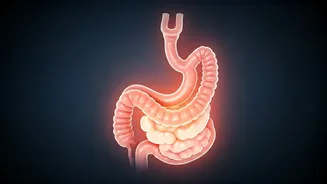








Gen Z and Gut Issues
The health of the gut is becoming increasingly recognized as a key element in overall wellness, yet it can be quite sensitive to an array of environmental
and lifestyle factors. In recent years, a growing body of research has started to focus on the specific challenges faced by Generation Z regarding their gut health. Gen Z, encompassing individuals born from the mid-1990s to the early 2010s, have grown up in a rapidly changing world, characterized by unique dietary habits, exposure to environmental stressors, and mental health challenges. These combined factors could be playing a significant role in the prevalence of gut issues within this demographic. The complexity of modern life, with its demands and stressors, has led many to seek out quick and convenient food choices. Such food choices are often high in processed ingredients and lacking in essential nutrients. The reliance on convenience foods can disrupt the balance of the gut microbiome, which is crucial for optimal digestion and nutrient absorption. Furthermore, the extensive use of antibiotics, both in medical treatments and in food production, has been linked to altering the gut flora. Stress, which is also a major factor, influences gut health, making it an essential element to explore.
Common Trigger Identification
Identifying the specific triggers behind gut issues is a multifaceted process, needing a detailed investigation into dietary habits, lifestyle choices, and exposure to environmental elements. Dietary patterns are a foundational aspect to consider. Many individuals in Gen Z consume a diet rich in processed foods, sugars, and unhealthy fats. These eating habits can foster an imbalance in the gut microbiome. Processed foods, for example, typically contain additives and preservatives that can disrupt the natural equilibrium of gut bacteria. Another critical element involves lifestyle choices, including stress levels and sleep patterns. Elevated stress has been proven to negatively influence the gut-brain axis, potentially leading to increased inflammation and altered gut function. Poor sleep quality and inconsistent sleep schedules can disrupt the body's natural rhythms, thereby contributing to digestive problems. Environmental factors play a role as well, with exposure to toxins and pollutants potentially damaging the gut lining. Understanding all these aspects is very important to get a clear perspective on the issue.
Dietary and Lifestyle Changes
Making changes in both diet and lifestyle can play a key role in improving gut health, and these changes often work best when combined. Dietary adjustments typically start with adopting a nutrient-dense eating plan that prioritizes whole, unprocessed foods. This includes a variety of fruits, vegetables, whole grains, and lean proteins, and these foods supply essential vitamins, minerals, and fiber which support gut health. Increasing fiber intake is very important, as fiber acts as a prebiotic, fostering the growth of beneficial gut bacteria. It is also advised to restrict the consumption of processed foods, sugary drinks, and excessive fats, as these can contribute to gut inflammation and dysbiosis. Lifestyle changes can be extremely beneficial to reduce stress. Practices like mindfulness meditation, yoga, and deep breathing exercises can help to regulate the body's stress response. Regular physical activity has been shown to improve both physical and mental well-being, including gut health. Adequate sleep is necessary, aiming for 7-9 hours per night. This helps to regulate the body's natural rhythms, supporting digestive function. By implementing these dietary and lifestyle modifications, individuals can work towards cultivating a balanced and healthy gut microbiome.
Professional Medical Advice
Obtaining professional medical advice is crucial for anyone experiencing persistent gut issues, as these symptoms can point to various underlying health conditions needing diagnosis and treatment. Seeking guidance from a gastroenterologist or another healthcare provider enables a detailed assessment of symptoms, medical history, and overall health status. The doctor will likely perform a physical examination and, as needed, order a variety of diagnostic tests to evaluate gut health and identify potential issues. These tests can include blood tests to evaluate inflammation or infection, stool tests to analyze gut bacteria and identify any parasites, and imaging studies to assess the structure and function of the gastrointestinal tract. Based on the test results and a clinical evaluation, the healthcare provider will formulate a personalized treatment plan. This plan might encompass dietary changes, lifestyle adjustments, medication, or other interventions. Medications may include probiotics, which help to balance the gut microbiome, anti-inflammatory drugs to reduce gut inflammation, or medications to manage specific symptoms such as abdominal pain or bloating. Consulting with a healthcare provider is an essential step towards getting effective care.