





Dance Traditions Unveiled
India's classical dance forms are a testament to its vibrant cultural heritage, with each style stemming from ancient traditions and regional influences.
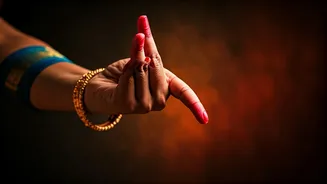
These dances are not merely entertainment; they are spiritual practices, storytelling mediums, and conduits for preserving cultural narratives. Unlike contemporary dance, these classical forms are deeply rooted in religious texts, mythology, and historical events. Their origins can often be traced back to temples, royal courts, and village communities, where they served as integral components of rituals, festivals, and communal life. The intricate movements, expressive gestures (mudras), elaborate costumes, and rhythmic music all contribute to the immersive experience, captivating audiences while simultaneously upholding cultural values and transmitting knowledge across generations. The evolution and preservation of these dance forms are a continuing testament to India's dynamic artistic past and present, representing a unique blending of creativity, discipline, and devotion.
Exploring Lesser-Known Forms
While Bharatanatyam, Kathak, Kathakali, Odissi, Kuchipudi, Manipuri, and Sattriya often dominate the spotlight, several other classical dance forms deserve recognition. These lesser-known styles reflect the regional diversity of India, each carrying unique elements of history, music, and performance. One such form is Mohiniyattam, originating from Kerala. It is characterized by graceful movements and flowing lines, accompanied by Carnatic music. Another is Chhau, a semi-classical form primarily found in the eastern states of India, which incorporates martial arts elements. Other unique dance forms include Gaudiya Nritya, a classical dance form originating from West Bengal, and Yakshagana, a traditional dance-drama form from Karnataka. These dance forms, with their distinct narratives and techniques, add further color to India’s dynamic art scene and demonstrate the extraordinary variety of artistic talent within the country. They continue to thrive, representing cultural heritage that continues to evolve, inspiring artists and providing glimpses of India’s rich cultural tapestry.
Elements of Performance
Each Indian classical dance form is a symphony of movement, expression, and music, meticulously composed to tell stories and evoke emotions. The choreography involves precise footwork (tala), graceful hand gestures (mudras) representing various objects, feelings, and actions, and expressive facial expressions (abhinaya) conveying narratives. The accompanying music often features complex rhythmic patterns (tala) played on traditional instruments such as the tabla, sitar, and veena, coupled with melodic ragas to set the atmosphere. Costumes play a vital role, often reflecting the regional traditions and character roles, and makeup is used to enhance the dancer's expressions and create visual impact. The overall performance is not just a display of talent; it is a holistic experience that engages the senses, allowing the audience to understand the stories that are being told. The various elements, from the costumes to the mudras, all come together to create a cohesive and deeply meaningful experience that demonstrates the core values of the art.
Cultural Significance
Indian classical dance forms are more than entertainment; they embody cultural identity, historical narratives, and spiritual devotion. For centuries, these dances have been transmitted across generations, preserving historical stories, religious traditions, and societal values. They often serve as a connection to the past, reminding communities of their roots and heritage, while simultaneously providing insights into India's complex history, mythology, and philosophy. The performances themselves are often associated with religious ceremonies and festivals, thus playing an essential role in preserving cultural practices. In contemporary times, these dance forms continue to evolve, blending traditional techniques with modern interpretations, providing spaces for the development of art and the transmission of culture to new audiences both in India and abroad. They remain a strong representation of India's cultural richness, acting as a dynamic and living illustration of its cultural heritage.