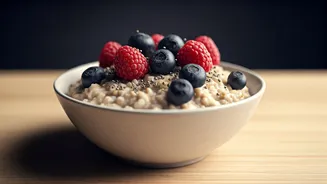







Oats & Weight Management
Oats can be a powerful ally in weight management, primarily due to their substantial fiber content. This indigestible carbohydrate promotes a prolonged
feeling of fullness, which naturally curbs appetite and discourages overeating. By keeping you satisfied for longer periods, oats help reduce overall calorie intake throughout the day. Their ability to stave off hunger makes them an excellent choice for individuals aiming to shed or maintain a healthy weight. When oats are part of your meal, they contribute to a sense of satiety that can prevent impulsive snacking and support more mindful eating habits, making them a superior option compared to many other breakfast cereals.
Cholesterol Control
The soluble fiber present in oats plays a significant role in managing cholesterol levels. This specific type of fiber is adept at binding with cholesterol in the digestive tract, particularly low-density lipoprotein (LDL), often referred to as 'bad' cholesterol. By effectively capturing and eliminating LDL from the body, oats help to lower its overall concentration in the bloodstream. This reduction in bad cholesterol is crucial for cardiovascular health, as high LDL levels are a known risk factor for heart disease and other related ailments. Therefore, regular consumption of oats can contribute positively to a healthier lipid profile.
Diabetes Friendly
For individuals managing diabetes, plain oats can be a beneficial addition to their diet when consumed in appropriate quantities. Their glycemic load is typically low to moderate, meaning they cause a more gradual rise in blood sugar levels compared to refined carbohydrates. However, to further optimize their effect on blood glucose, it's highly recommended to pair oats with a source of protein. This combination helps to slow down the absorption of carbohydrates, leading to a more stable and sustained energy release, which is essential for effective diabetes management. Always consult with a healthcare provider for personalized dietary advice.
Instant Oats Nuance
While not inherently unhealthy, instant oats tend to be a more processed version of the grain. This processing can sometimes diminish their ability to promote satiety, making them less filling than their less processed counterparts like rolled or steel-cut oats. Furthermore, many instant oat varieties come with added sugars and artificial flavorings, which can detract from their health benefits. It is generally advisable to opt for plain, unsweetened oats and add your own healthy toppings, such as fruits, nuts, or seeds, to create a more nutritious and satisfying meal.
Daily Oat Consumption
For the majority of people, incorporating oats into their daily diet is both safe and advantageous. Their rich nutritional profile and beneficial fiber content can be a consistent part of a healthy eating pattern. Consuming oats daily can contribute to sustained energy levels, improved digestive health, and better management of cholesterol and blood sugar. As with any dietary change, it's wise to listen to your body and ensure adequate hydration. However, for most individuals, making oats a regular feature in their meals is a well-supported dietary practice.
Oats vs. Rice
When comparing oats and rice, oats generally hold an advantage due to their superior fiber content. This higher fiber amount contributes to a greater feeling of fullness, which can be beneficial for appetite control and weight management. However, rice can still be part of a balanced diet depending on the overall meal composition and individual dietary needs. The key lies in understanding how each food fits into your daily nutritional intake and making choices that align with your health goals. While oats offer distinct benefits, rice can be included thoughtfully within a well-rounded eating plan.
Addressing Bloating
Some individuals might experience bloating when they first introduce oats into their diet, especially if consumption is increased abruptly. This is a common occurrence when introducing more fiber into the digestive system. To mitigate this, it's advisable to gradually increase your oat intake, allowing your body time to adjust. Alongside this gradual introduction, ensuring you drink plenty of water is crucial. Adequate hydration helps the fiber move smoothly through your digestive tract, reducing the likelihood of discomfort or bloating. Patience and proper hydration are key to enjoying oats without issues.
Pre-Workout Fuel
Oats serve as an excellent pre-workout meal, providing a sustained release of energy that can power you through your training session. The complex carbohydrates in oats are digested slowly, delivering a steady supply of glucose to your muscles over an extended period. This prevents the sudden energy crash that can occur with simpler carbohydrates, allowing for more consistent performance. Opting for oats before a workout ensures you have the stamina to complete your exercises effectively, making it a practical choice for fitness enthusiasts.
Healthiest Preparation
To maximize the health benefits of oats, it's best to choose the least processed varieties, such as rolled oats or steel-cut oats. These forms retain more of their natural nutrients and fiber. The healthiest way to consume them is by preparing them with water or unsweetened milk and then enhancing them with nutrient-dense additions. Think about incorporating a variety of nuts for healthy fats and protein, fresh fruits for vitamins and natural sweetness, and seeds for added fiber and omega-3 fatty acids. Including a protein source, like yogurt or protein powder, can further enhance their nutritional value and satiety.
Rolled vs. Steel-Cut
Both rolled and steel-cut oats are excellent choices, each offering unique advantages. Rolled oats, which are steamed and flattened, cook relatively quickly, making them a convenient option for busy mornings. They are also often considered gentler on the digestive system. Steel-cut oats, on the other hand, are groats that have been chopped into smaller pieces. They take longer to cook but provide a heartier texture and are particularly effective at promoting a prolonged sense of fullness and offering better control over blood sugar spikes due to their slower digestion rate. The choice between them often comes down to personal preference for texture and cooking time.