




Desert's Living Classroom
Scottsdale, Arizona, is more than just a desert city; it's a dynamic ecosystem that profoundly shapes its identity as a wellness destination. The arid
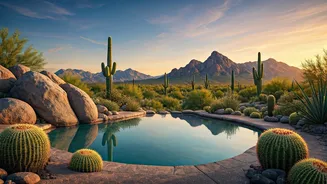
climate, abundant sunshine, and picturesque desert vistas create a serene environment perfect for personal rejuvenation. This connection to nature is palpable, evident in the city's world-class resorts, specialized wellness centers, and a community that embraces a healthy lifestyle. The local flora and fauna are integral to this experience. For instance, the saguaro cactus, with its unique structure, serves as a natural habitat for various bird species, earning it the nickname 'Hotel Saguaro.' Its inner flesh provides natural insulation, keeping it cool in summer and warm in winter. Similarly, the creosote bush, known for its remarkable resilience, can survive for extended periods without water, offering a distinct, resinous fragrance to the desert air. Naturalist Jeffrey Lazos Ferns highlights how these plants, like the palo verde tree and prickly pear cactus, are not just survivalists but also sources of traditional medicine and food. He emphasizes that by pausing and observing, one can understand the intricate interactions within the desert environment, viewing plants as educators that reveal nature's continuous motion and adaptability, especially in the face of environmental shifts like drought and sudden floods.
The Vital Flow of Water
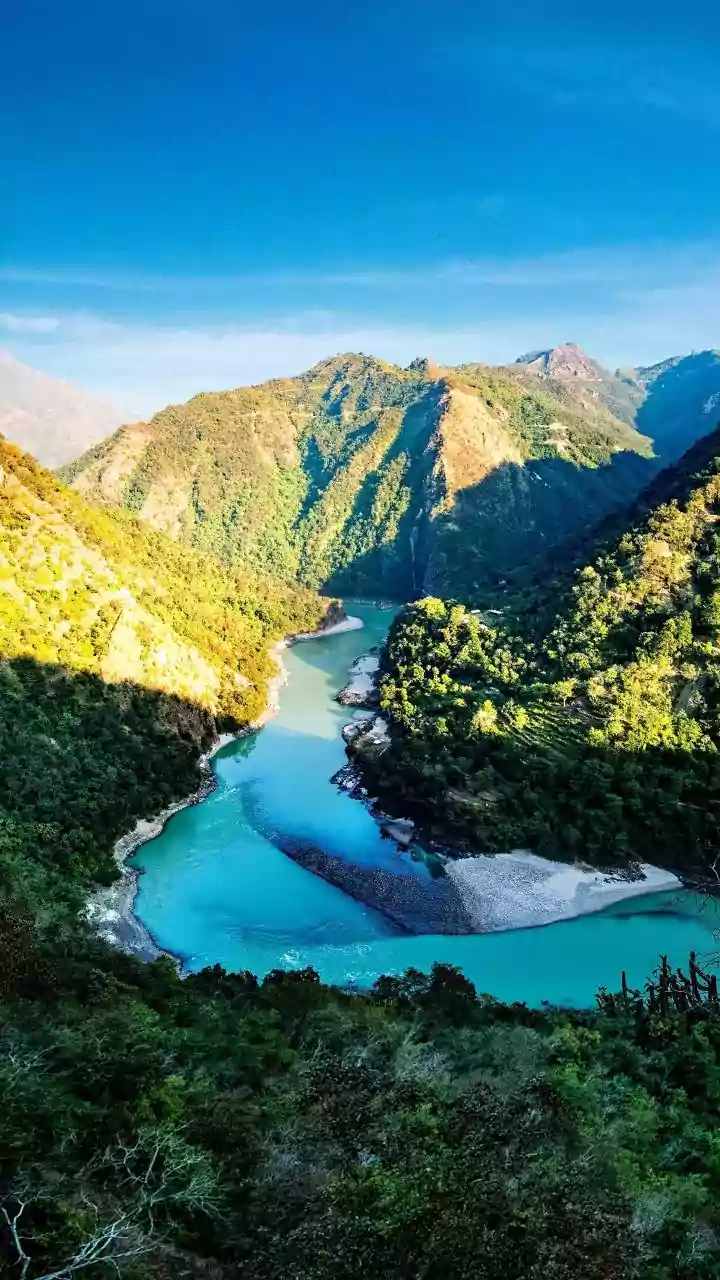
The Salt River, flowing from the eastern mountains, is the lifeblood of the Scottsdale region, sustaining both human and wildlife. This river is a crucial riparian zone, a rare and precious feature in the desert, supporting nearly all desert life. The serene, olive-green waters offer a contrast to the arid landscape, with saguaros lining the banks and eagles soaring overhead. Kayaking on the Lower Salt River provides a peaceful way to observe this vibrant ecosystem. The river is home to a diverse array of animals, including mountain lions, bobcats, and bighorn sheep, all relying on its consistent presence. Indigenous communities and local wildlife have developed remarkable resilience and adaptation strategies, closely tied to the river's stability. Daniel Konves, a guide, explains that water is the fundamental connector of life in this environment, a message he shares with visitors seeking to reconnect with nature. Immersing oneself in the cool river water offers a welcome respite from the desert heat and a tangible connection to the natural forces at play.
Tracing Historic Trails
Venturing east of Scottsdale into the Tonto National Forest offers a profound connection to the region's history and the enduring allure of the American West. Horseback riding through mesquite and saguaro landscapes evokes the spirit of exploration that has drawn people to this area for generations. The stables and ranches, some with a history dating back to 1948, maintain a timeless atmosphere, characterized by the scent of hay and sun-warmed wood. Led by experienced wranglers like Lottie Connolly, riders navigate narrow trails, observing the geological features carved by recent rains, such as temporary waterfalls on sheer cliffs. Guests like Judy Newton, who has been visiting for over 70 years, share their deep affection for these trails, passed down through generations. Ranch manager John Bevell speaks about the unique appeal of Arizona, emphasizing its dry climate and the profound, almost mystical, sense of peace found in the landscape, reminiscent of a 'lost boy in Neverland.' The ranch's main lodge, adorned with local art and memorabilia, provides a cozy retreat, with outdoor spaces perfect for evening gatherings and stargazing, embodying the ranch's enduring spirit.
Grounded by Stillness
Scottsdale's wellness philosophy extends to embracing the quietude of the desert, integrating its natural elements into restorative practices. The Arizona Sanded Group Wrap, a treatment using mineral-rich desert clay, aims to exfoliate and clarify the skin, offering a profound sense of grounding. This ritual, drawing directly from the surrounding landscape, fills the air with the scent of warm earth as the clay dries and is later rinsed away, followed by a rich, moisturizing cream. Other spa therapies incorporate elements like the paddles of the prickly pear cactus, known for centuries for its skin-soothing properties, applied with a warming, vitamin-rich gel that is less sticky than aloe. Beyond spa treatments, the practice of 'desert bathing' offers a mindful immersion in the natural environment, inspired by Japanese forest bathing. Participants engage in gentle movement and yoga stretches amidst saguaros and brittlebrush bushes, encouraged to observe the subtle movements of local wildlife and listen to the whispering breeze, fostering a deep connection to the desert's tranquil presence and promoting inner peace.
Gazing at Stars
As daylight fades, Scottsdale transforms into an exceptional celestial observatory, thanks to its designation as a region with abundant dark-sky sites. Under the guidance of an astronomer like Mark Johnston, visitors can explore the cosmos through high-tech telescopes that capture detailed images of distant galaxies and supernovae. Arizona's clear, unpolluted skies provide an unparalleled canvas for stargazing, offering a humbling perspective on humanity's place in the universe. Johnston explains complex astronomical concepts, such as the vastness of space and the immense timescale of the Big Bang, making the universe accessible to all. The desert night, calm and illuminated by a crescent moon, reveals the saguaros as dark silhouettes against the star-studded sky. This experience underscores the interconnectedness of all things, reflecting the delicate balance of the desert ecosystem and the continuous motion of the universe, much like the natural cycles observed throughout the day. The profound silence and infinite expanse of the night sky serve as a final, powerful reminder of the deep, intrinsic connection between people, the desert landscape, and the cosmos.