
The Lactic Acid Exfoliation
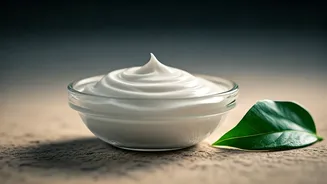
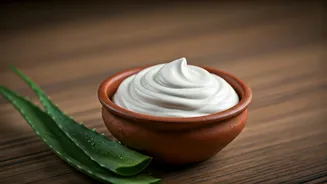
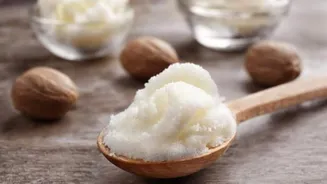
Contrary to just being a soothing paste, malai possesses a significant skincare benefit due to its natural lactic acid content. This mild Alpha Hydroxy
Acid (AHA) works on a cellular level to address sun tans. Instead of abrasive physical scrubbing, which can irritate sun-damaged skin, lactic acid gently dissolves the bonds holding dead, pigmented skin cells together. This process accelerates the shedding of the darkened outer layer of skin, revealing brighter skin underneath over time. It's a chemical exfoliation that is far less aggressive than physical methods, promoting natural skin turnover and helping to fade accumulated melanin from sun exposure.
Hydration and Anti-Inflammatory Power
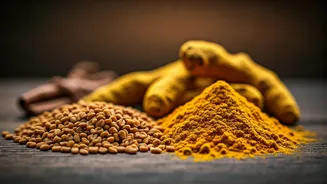
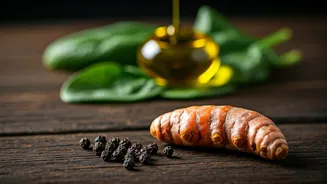
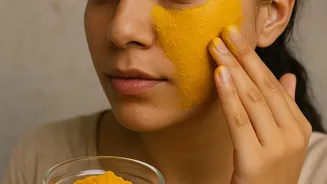
Beyond its exfoliating properties, malai plays a vital role in restoring skin health post-sun exposure. Intense UV rays damage the skin's natural lipid barrier, leading to dehydration and dullness. Malai, rich in saturated fats, proteins, and ceramides, acts as a powerful emollient, effectively sealing in moisture and repairing this crucial barrier. This rehydration process helps to restore the skin's supple texture and natural glow. Furthermore, sun exposure often triggers micro-inflammation. Malai's cooling properties help to calm this inflammation, preventing the skin from reacting defensively by producing more melanin, a condition known as Post-Inflammatory Hyperpigmentation. The common practice of mixing malai with turmeric is also scientifically supported, as the fats in malai enhance the skin's absorption of curcumin, turmeric's active compound known for its melanin-inhibiting qualities.
Who Should Avoid
Despite its benefits, malai is not a universal solution for tan removal. Dermatologists issue a strong cautionary note: this remedy is best suited for individuals with dry to normal skin types. Malai is highly comedogenic, meaning it has a significant tendency to clog pores. For those with oily or acne-prone skin, applying thick cream can exacerbate existing issues. The rich fats in malai can trap natural sebum, creating an environment conducive to bacterial growth, which often leads to severe breakouts. For individuals experiencing oily skin or struggling with fungal acne, experts recommend alternative ingredients like plain yogurt or aloe vera, which offer hydration and soothing benefits without the pore-clogging risks.
The Verdict on Malai
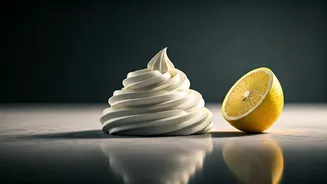
Even with the caveat for oily skin types, dermatologists often favor malai over other frequently suggested home remedies for tan removal. Unlike highly acidic options like raw lemon or tomato juice, which can cause chemical burns on sun-sensitive skin, malai is naturally pH-balanced and considerably safer. However, it's essential to maintain realistic expectations. Malai works gradually to fade surface-level pigmentation caused by tan. It is not a magic solution for deep-seated UV damage or to prevent long-term photo-aging. It should be viewed as a gentle, progressive treatment for tan fading, rather than an instant fix that erases all signs of sun exposure.