


Pilgrimage: A Modern Twist
The face of pilgrimage in India is changing. It's no longer solely about reaching a sacred site; it's about the entire experience. Modern spiritual travelers
are younger, mindful of time, and driven by experiences. They seek meaningful rituals combined with comfort, expert guidance, and careful planning. This shift is evident in the growing demand for curated darshan slots, guided rituals, premium accommodations near temples, and itineraries specifically tailored to coincide with festivals. Agencies like Thomas Cook India and SOTC Travel have observed rising interest not only in established pilgrimage circuits but also in journeys that seamlessly blend devotion with cultural exploration and convenient execution.
Seasonal Pilgrimage Peaks
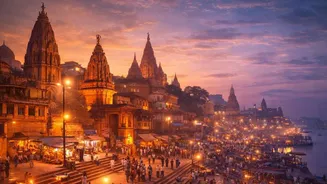
Pilgrimage travel sees distinct surges tied to seasonal festivals and significant dates throughout the year. The year typically begins with significant river rituals like Magh Mela, with auspicious bathing dates at Prayagraj’s Triveni Sangam and Gangasagar in West Bengal experiencing peak demand. In the South, Arudra Darshan draws devotees to Chidambaram and Tiruvannamalai, while harvest-related observances prompt regional temple visits across North India. February sees Maha Shivratri fuel travel to Jyotirlingas in Maharashtra and Madhya Pradesh, as well as Varanasi and Somnath. The Holi festival, falling in March, transforms Vrindavan and Mathura into Krishna-centric hubs. Chaitra Navratri sparks journeys to goddess temples across Uttarakhand and eastern India, while Odisha’s Jagannath circuit benefits from spring's pleasant weather.
Spiritual Hotspots & Routes
Several locations consistently draw large crowds of pilgrims. The Ayodhya–Kashi corridor and Mysuru Dussehra gain significance. The Char Dham portals' opening prompts early bookings for professionally managed departures. Tamil Nadu’s Murugan temples draw Vaikasi Visakam pilgrims, and Akshaya Tritiya encourages temple visits across western India. Later in the year, destinations like Mathura, Dwarka, Maharashtra, and Goa become popular during Krishna Janmashtami and Ganesh Chaturthi. The Sabarimala’s Mandala–Makaravilakku season drives Kerala-bound pilgrimages. Diwali and Dev Deepawali transform Varanasi into a spiritual hub, while Guru Nanak Jayanti attracts travelers to Punjab and Pushkar blends ritual with heritage festivities.
The Comfort Factor
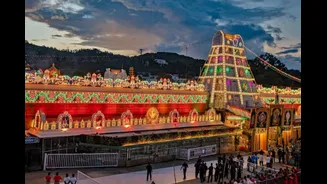
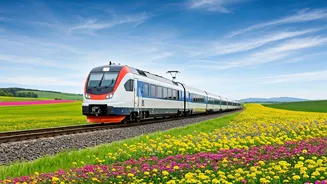
Modern pilgrims increasingly seek comfort and ease in their travels. The cooler weather during specific periods makes routes like the Ayodhya–Kashi corridor and the Shakti Peeth routes more appealing, especially for those seeking assisted travel focused on temple visits. Pilgrimage travel is becoming a fully serviced experience, which includes curated darshan slots, guided rituals, premium stays near temples, and itineraries specifically aligned with festivals. Extended itineraries that include Ayodhya, Sitamarhi, and Bhadrachalam during Ram Navami are also gaining traction. Furthermore, Ramayan-themed circuits and temple towns in South India, such as Tirupati, Madurai, and Rameswaram, contribute to the blend of heritage and devotion.
Key Festival Influences
Specific festivals play a crucial role in directing pilgrimage travel. Navratri to Vijayadashami fuels pilgrimages to Shakti Peeths in West Bengal, Assam, and Bihar. Krishna Janmashtami and Ganesh Chaturthi trigger widespread travel to Mathura, Dwarka, Maharashtra, and Goa. Shravan ushers in Shiva worship across Jyotirlingas. Onam brings travelers to Kerala, and Nag Panchami and pre-Janmashtami visits animate temples across Maharashtra, Karnataka, and Gujarat. The Jagannath Rath Yatra keeps Puri on the pilgrimage radar despite summer heat. With the easing of monsoons, September serves as a quieter window for Char Dham travel.
The Business of Faith
Spiritual and pilgrimage tourism continues to be one of the fastest-growing segments in India's travel landscape. Demand is increasing for not only the well-known circuits, but also for journeys that blend devotion with cultural discovery and convenience. This growth is fuelled by the evolving preferences of travelers and the services being offered, from professionally managed departures to luxurious stays. The combination of faith with ease of travel makes this sector of tourism increasingly robust and significant.