







New Free Seating Policy
As of April 20, a significant shift is coming to air travel in India, with airlines now mandated by the Directorate General of Civil Aviation (DGCA) to allocate
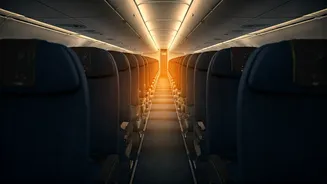
a minimum of 60% of the seats on any given flight without levying any selection fees. This directive, stemming from an instruction by Union Aviation Minister Ram Mohan Naidu on March 18, 2026, and enforced through an amended order issued by the DGCA on March 20, aims to make air travel more accessible and budget-friendly for a wider range of passengers. The previous regulation allowed for only 20% of seats to be free, while the remaining 80% could be charged for, with fees typically ranging from Rs 200 to Rs 2,100. This substantial increase in free seating is expected to reduce the overall cost of air journeys for many travelers, particularly those who previously avoided flying due to seat selection charges.
Seating Families Together
Beyond just free seats, the new DGCA regulations also place a strong emphasis on passenger comfort and cohesion, especially for those traveling in groups or families. The directive clearly states that passengers booked under the same PNR (Passenger Name Record) should be seated as close to each other as practically possible, ideally in adjacent seats within the same row. This provision is particularly beneficial for families with children or groups of friends traveling together, ensuring they can easily interact and share their travel experience without being scattered across the cabin. This addresses a long-standing concern for many travelers who found it inconvenient and disruptive to be seated separately despite booking together, often incurring additional costs to change seats.
Transparent Policies Encouraged
To ensure smooth implementation and consumer understanding, the DGCA has also called for greater transparency in airline seat allocation policies. Airlines are required to clearly communicate the availability of these free seats and any associated conditions on their booking interfaces and websites. This includes making information about optional services, such as charges for carrying sports equipment or musical instruments, and their liability conditions in case of damage, readily accessible and easy to comprehend. This move towards transparency aims to empower passengers with clear information, allowing them to make informed booking decisions without hidden charges or confusion, thereby fostering trust between airlines and their customers and aligning with the principles of fair trade practices in the aviation sector.