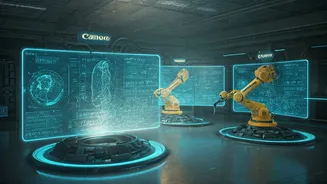

Embracing Adaptability and Change
Adaptability has become extremely critical in the field of education. The educational landscape is witnessing rapid transformations, requiring students
to develop flexible mindsets. The world is changing quickly, and traditional educational methods are not always sufficient to prepare students for the demands of the future. Schools and universities must promote a culture of continuous learning. They need to equip students with the skills to embrace new challenges. This includes fostering critical thinking, problem-solving, and the ability to learn independently. Educators are also crucial in this process. They should design curricula that promote adaptability. This involves incorporating diverse teaching methods and regularly updating content to reflect current trends and innovations. Students who can adapt will be better prepared to thrive in any environment. They will be more resilient and capable of succeeding.
Technology's Role in Education
Technology is reshaping the future of education by offering new opportunities. Digital learning platforms and tools are providing educators with better ways to teach and students with more opportunities to learn. E-learning platforms provide personalized learning experiences, catering to individual learning styles and paces. Virtual reality (VR) and augmented reality (AR) are also transforming education by offering immersive learning experiences that make it easier to understand complicated ideas. Moreover, technology is fostering collaboration by connecting students and teachers across borders. Despite all these advances, it's very important to note that the effective integration of technology also requires careful planning and training. Educators need to be trained to use these tools properly, and students must have equal access to technology to avoid a digital divide. Technology's potential to transform education is vast, but it must be used thoughtfully and strategically.
Future-Proofing Skills for Success
The skills needed to succeed in the future are evolving alongside the changing world. Beyond traditional academic knowledge, students must develop a diverse set of skills to navigate the workplace successfully. Some of the most valuable skills include creativity, critical thinking, communication, and collaboration. As technology advances, the ability to think critically and solve complex problems will be crucial. Being able to communicate effectively will be essential for sharing ideas and working in teams. Collaboration is also important as global challenges require people to work together across different disciplines and cultures. Institutions should focus on integrating these skills into the curriculum through project-based learning and practical experiences. They should also encourage students to develop a growth mindset. This will help them view challenges as opportunities to learn and grow. By nurturing these skills, schools can equip students to thrive in their future careers and contribute to society.