





Salt's Ubiquitous Role
Salt, an indispensable component in our daily culinary practices, is universally embraced for its ability to enhance flavour and complete meals. From humble
home kitchens to elaborate feasts, its presence is a constant, signifying a fundamental element of food preparation across cultures. However, this ubiquitous ingredient, while vital for taste, comes with a significant caveat: its excessive intake is flagged by health professionals as a potential detriment to well-being. The common debate often centres on the perceived health benefits of rock salt compared to regular table salt, a notion that warrants closer examination, especially for individuals managing specific health conditions where its consumption could inadvertently exacerbate issues rather than alleviate them.
Rock Salt's Hidden Sodium
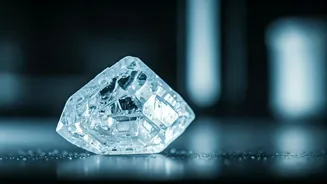
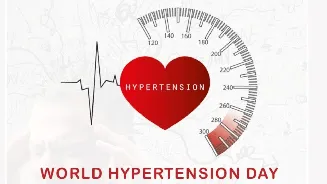
Despite its varied crystalline appearance, rock salt, much like its refined counterpart, is primarily composed of sodium chloride. It's this sodium content that raises concerns, particularly for those with hypertension. When consumed in large quantities, the sodium in rock salt can contribute to elevated blood pressure levels. For individuals whose blood pressure is already a challenge to manage, this additional sodium load can place undue stress on the cardiovascular system, potentially amplifying existing health risks and making the condition more difficult to control. Therefore, the 'healthier' perception doesn't negate the fundamental impact of sodium on the body's vital functions.
Kidney Strain Concerns
Individuals grappling with compromised kidney function are advised to exercise significant caution regarding rock salt intake. The mineral composition inherent in rock salt, while potentially beneficial in trace amounts for some, can impose an increased burden on the kidneys when consumed excessively, especially when their filtering capacity is already diminished. This added pressure can hinder the kidneys' ability to efficiently process waste and maintain internal balance. Journal of Nephrology findings highlight that excessive rock salt consumption in those with weakened kidneys can disrupt the crucial balance of potassium in the body, a critical electrolyte that plays a role in nerve and muscle function, including the heart. Such an imbalance could escalate the risk of serious cardiac complications, underscoring the need for careful dietary management.
Iodine Imbalance Risks
A significant distinction between regular table salt and rock salt lies in their iodine content. Standard table salt is frequently fortified with iodine, an essential micronutrient crucial for the optimal functioning of the thyroid gland. The thyroid plays a pivotal role in regulating metabolism, energy production, and growth. Rock salt, conversely, typically contains minimal to no added iodine. Consequently, individuals who exclusively rely on rock salt as their primary seasoning agent might inadvertently develop an iodine deficiency. This deficiency can lead to various thyroid-related health concerns, including hypothyroidism, characterized by symptoms like fatigue, weight gain, and sluggish metabolism, thereby emphasizing the importance of adequate iodine intake for overall endocrine health.
Fluid Retention Issues
For those already experiencing or prone to fluid retention, such as swelling in the extremities like hands, legs, or feet, an excess of any type of salt, including rock salt, can exacerbate this condition. Sodium plays a significant role in regulating the body's fluid balance. When too much sodium is consumed, the body tends to hold onto more water in an attempt to dilute the excess salt in the bloodstream. This increased water retention can lead to noticeable puffiness and discomfort, making pre-existing swelling worse and contributing to feelings of heaviness and lethargy. Managing salt intake is therefore a key strategy for mitigating this common issue.