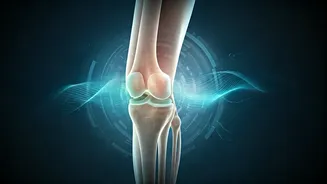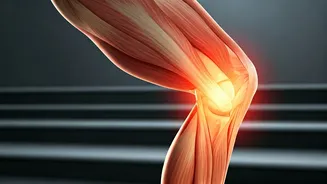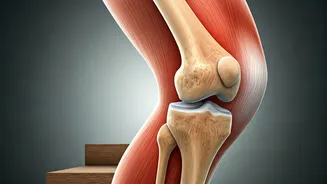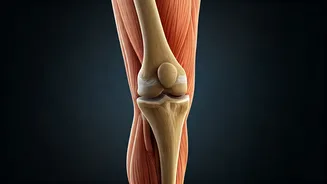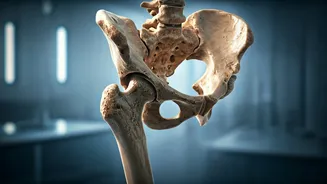







Understanding Knee Osteoarthritis
Knee osteoarthritis is a prevalent condition, particularly affecting adults over 45, with approximately 30% experiencing diagnoses often revealed through
X-rays, though many suffer moderate symptoms. This degenerative joint disease is characterized by the breakdown of cartilage cushioning the knee joints, leading to a cascade of discomfort including pain, inflammation, and restricted movement. As individuals age, their susceptibility to this wear-and-tear increases, making the knee a common site of impact. While physical activity is widely acknowledged as a cornerstone of management, specific exercise recommendations have often been vague, leaving many unsure of the most beneficial approaches.
The Power of Aerobic Exercise
A recent extensive review of 217 randomized trials, involving over 15,684 participants and analyzing data from 1990 to 2024, has illuminated the unparalleled benefits of aerobic exercise for knee osteoarthritis. The research, rigorously evaluated using the GRADE approach, compared various exercise types including resistance, flexibility, mind-body, and neuromotor training. The findings unequivocally point to aerobic activities such as walking, cycling, and swimming as delivering the most significant improvements across key outcomes. These exercises demonstrated remarkable efficacy in enhancing walking ability, overall physical functioning, and most importantly, in substantially reducing pain. The evidence suggests these benefits are most pronounced in the short and mid-term treatment periods, though improvements in gait and quality of life were also observed.
Beyond Aerobics: Complementary Benefits
While aerobic exercise stands out as the primary recommended intervention for knee osteoarthritis, other forms of physical activity also play a supportive role. The study indicated that mind-body exercises can effectively boost short-term physical function, offering a valuable addition to a comprehensive treatment plan. Neuromotor training showed promise in refining walking patterns, which is crucial for individuals experiencing gait disturbances. Additionally, resistance or strengthening exercises contribute positively to enhancing overall physical function. Importantly, the review found no increased risk of adverse events associated with any type of exercise compared to control groups, reinforcing exercise as a safe and effective management strategy, best used in conjunction with, rather than as a replacement for, aerobic routines.
Evidence-Based Guidance
The comprehensive comparison of exercise therapies for knee osteoarthritis provides clear, evidence-based guidance for both patients and healthcare providers. Researchers strongly advocate for aerobic exercise as the initial, or 'first-line,' treatment option, particularly when the goals are to boost functional capacity and alleviate pain. For individuals who face limitations or challenges in performing aerobic activities, the study acknowledges that alternative structured physical activities can still provide considerable benefits. Despite some limitations noted, such as variability in study quality and the absence of long-term follow-up in certain areas, the findings represent a significant step forward in understanding how best to manage knee osteoarthritis through exercise.