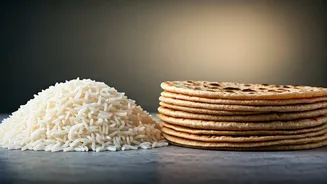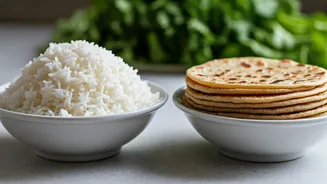





The Daily Carb Conundrum
The age-old Indian debate of rice versus roti extends beyond weight and digestion to a profound impact on our skin's appearance and health. While the roti often
appears to be the frontrunner for promoting clearer, less oily skin, the nuances of grain processing and individual dietary needs can alter the outcome. Understanding how each choice influences your internal systems—specifically blood sugar regulation, hormonal balance, and gut health—is key to making an informed decision that benefits your complexion. This exploration delves into the scientific reasons behind why your carbohydrate selection is a critical skincare choice, moving beyond simple preference to a deeper understanding of nutritional impact. The initial perception is that whole wheat roti holds an advantage for daily consumption due to its direct influence on skin health. This insight is rooted in understanding the body's response to different foods, particularly how they affect hormonal equilibrium and digestive efficiency. The article aims to provide a clear breakdown of these mechanisms, empowering readers to make better dietary choices for their skin. It highlights that the journey to glowing skin might just start with what's on your dinner plate, suggesting that a conscious dietary choice can yield significant cosmetic benefits. Ultimately, the goal is to demystify the complex relationship between our food and our skin. By dissecting the components of rice and roti, and their respective effects on our physiology, we can establish a definitive understanding of which reigns supreme for achieving that coveted acne-free complexion. The exploration will cover the detrimental effects of certain food choices on sebaceous glands and the positive contributions of others to gut flora and nutrient absorption.
Blood Sugar's Skin Impact
When you're constantly battling breakouts, the Glycemic Index (GI) of your meals becomes a crucial factor. White rice has a notoriously high GI, typically around 73 or higher, meaning it causes a rapid spike in blood sugar after consumption. This swift rise triggers a significant surge in insulin and Insulin-like Growth Factor 1 (IGF-1). Elevated IGF-1 is detrimental to your skin because it amplifies androgen hormones, prompting your sebaceous glands to go into overdrive. The result? Your face produces excess oil, pores become clogged, and acne breakouts become more frequent. In contrast, whole wheat roti boasts a considerably lower GI, around 62, indicating a slower and more gradual release of glucose into your bloodstream. This steady supply of energy avoids wild hormonal fluctuations and prevents overactive oil production, contributing to calmer, clearer skin. This difference in blood sugar response is a primary reason why roti often gets the nod for better skin health. The mechanism behind this effect is straightforward: the body's hormonal response to rapid sugar influx directly influences skin activity. High GI foods like white rice send your system into a state of heightened metabolic activity that can manifest physically. The cascade effect from a high blood sugar reading to increased IGF-1 levels and subsequent androgen stimulation is a well-documented pathway leading to acne. By opting for lower GI alternatives like whole wheat roti, you can effectively manage these internal triggers, thereby reducing the likelihood of inflammation and breakouts. This dietary adjustment is a foundational step in managing acne through a holistic approach that addresses internal physiological responses. Furthermore, the way your body processes carbohydrates dictates the intensity of these hormonal signals. The rapid absorption of refined grains like white rice leads to an immediate demand for insulin, which then influences other hormonal pathways. Keeping this process more controlled, as with whole wheat roti, allows for a more balanced internal environment, which is more conducive to clear and healthy skin. Therefore, understanding and managing the Glycemic Index of your daily staples is a powerful tool in your skincare arsenal.
Gut Health and Nutrition
Your skin acts as a direct reflection of your internal gut health. When your digestive system isn't functioning optimally, leading to sluggishness or constipation, toxins can accumulate within your body. This internal buildup frequently manifests on your face through dullness or unexpected pimples. Whole wheat roti shines in this regard, thanks to its rich content of dietary fiber. This fiber promotes smooth digestion, encourages regular bowel movements, and crucially, nourishes the beneficial bacteria within your gut microbiome, fostering a healthier internal environment. Conversely, the intensive milling process that white rice undergoes strips away its fiber-rich bran and germ. This leaves it as a highly processed grain offering minimal digestive benefits, potentially hindering the balance of your gut flora and contributing to skin issues. The critical role of fiber in digestion cannot be overstated when considering skin health. A well-functioning gut is essential for the efficient elimination of waste and toxins. When fiber is abundant, as it is in whole wheat flour, the digestive tract works more effectively, preventing the stagnation that can lead to systemic inflammation. This inflammation can then migrate to the skin, causing various problems. The prebiotics found in whole grains also play a vital role in supporting a diverse and robust gut microbiome, which is increasingly recognized for its influence on immune function and inflammatory responses throughout the body, including the skin. Moreover, the micronutrient profile of whole grains further supports skin repair and regeneration. Whole wheat flour, being less processed, retains essential vitamins and minerals like B vitamins, zinc, magnesium, and iron. These nutrients are vital for cellular turnover and the overall health of the skin barrier. White rice, on the other hand, is largely depleted of these beneficial compounds during its processing. Thus, while both are carbohydrate sources, their impact on gut health and nutrient availability presents a significant divergence, with whole wheat roti offering superior benefits for both internal well-being and external appearance.
The Micronutrient Advantage
For skin to effectively repair itself and maintain its protective barrier, it requires a consistent supply of essential micronutrients, including vitamins and minerals. Whole wheat flour, being a less refined product, retains a significant abundance of these crucial elements. We're talking about vital nutrients like B vitamins, zinc, magnesium, and iron, all of which are instrumental in supporting cellular turnover and aiding in the skin's natural repair processes. These components work synergistically to keep skin cells healthy and functioning optimally. In stark contrast, the aggressive milling and processing of white rice largely strips away these skin-loving nutrients, leaving behind a grain that is deficient in the very elements the skin needs to thrive and regenerate. This deficiency in micronutrients means that while white rice provides energy, it does so at the expense of vital building blocks for skin health. The lack of B vitamins can affect skin cell metabolism, while a deficiency in zinc can impair wound healing and contribute to inflammation. Magnesium plays a role in numerous enzymatic reactions within the skin, and iron is crucial for oxygen transport to skin tissues. The absence of these in significant quantities in white rice makes it a less supportive food for skin regeneration compared to whole wheat. This nutritional disparity is a key reason why choosing whole grains can lead to more resilient and healthier-looking skin. The implication for skin health is clear: a diet rich in micronutrients from less processed sources like whole wheat roti can actively contribute to a stronger skin barrier and better overall skin vitality. Conversely, a diet heavily reliant on highly processed grains like white rice may inadvertently deprive the skin of the resources it needs to repair, protect, and rejuvenate itself. Therefore, prioritizing foods that offer a comprehensive nutritional profile, particularly those rich in the micronutrients essential for skin health, is a wise strategy for anyone seeking to improve their complexion.
The Final Verdict: Your Skin's Choice
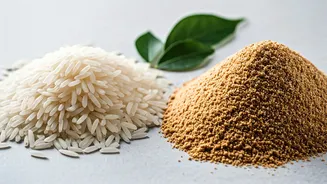
When the ultimate goal is achieving clearer, less oily skin, making whole wheat or multigrain roti your daily staple is a highly recommended strategy. Its ability to help balance hormones and maintain stable blood sugar levels directly translates to a calmer complexion. For those who are deeply fond of rice, there's a significant compromise available: upgrading your choice to brown rice. This alternative retains its bran and germ, offering a lower glycemic index and a fiber profile comparable to roti, thereby providing similar anti-inflammatory benefits for the skin. Pairing either of these carbohydrate choices with a generous portion of fiber-rich vegetables further enhances their skin-loving properties, ensuring your skin reaps the maximum benefits. It's also important to acknowledge the complexities introduced by gluten. Roti, being made from wheat, contains gluten. For individuals with celiac disease, a wheat allergy, or even a non-celiac gluten sensitivity, consuming roti can trigger widespread systemic inflammation. This inflammation can manifest in various ways on the skin, including cystic acne, eczema, rosacea, or unexplained rashes. In such specific cases, rice, which is naturally gluten-free, emerges as the definitively superior and safer option for maintaining skin health and preventing inflammatory reactions. Therefore, individual health conditions play a crucial role in determining the optimal choice. Ultimately, the decision between rice and roti for skin health hinges on individual needs and processing levels. While whole wheat roti generally leads, brown rice offers a compelling alternative for rice enthusiasts, and naturally gluten-free rice is essential for those with gluten sensitivities. By making informed choices, focusing on nutrient-dense options, and complementing them with vegetables, you can significantly contribute to a healthier, clearer complexion. Your daily carb selection is indeed a powerful skincare decision.