






Daulat ki Chaat
Daulat ki Chaat is a dessert that epitomizes the delicate artistry of North Indian cuisine, particularly in the Delhi region. It's essentially a light,
airy foam, meticulously crafted from milk cream and often flavored with ingredients like saffron and cardamom, and garnished with nuts. Its creation is a labor of love, requiring a specific atmospheric condition to achieve its unique texture. The preparation involves churning the cream and exposing it to the cold night air, which causes it to solidify into a cloud-like consistency. The resulting dessert is ethereal, melting almost instantly in the mouth, offering a sweet and subtly spiced experience. It's usually available during the cooler months, as the chill helps in the delicate process. The dish’s fleeting nature, both in its creation and consumption, adds to its charm, making it a sought-after delicacy during the winter season. Its ephemeral quality contributes to its appeal, being a seasonal treat cherished by those who seek a sweet end to a meal or a moment of indulgence during the colder days. The balance of sweetness and spice, along with its unique texture, makes Daulat ki Chaat a memorable culinary adventure.
Gajar ka Halwa
Gajar ka Halwa, a comforting winter classic, is a sweet pudding made with grated carrots. This dessert is cooked slowly with ghee, milk, and sugar, allowing the carrots to soften and meld with the other ingredients. The process requires patience, as the carrots need ample time to absorb the flavors and attain the ideal consistency. The cooking often continues until the milk evaporates, and the carrots become tender and rich. The addition of nuts like cashews and almonds, often toasted, adds a delightful crunch and enhances the overall texture. The dish's rich taste and warm presentation makes it an ideal winter treat. The warm, sweet flavors of Gajar ka Halwa provide the perfect amount of comfort during cold weather. The combination of simple ingredients transformed into a complex and satisfying dessert showcases the creativity of Indian cuisine. This dish has a long tradition of being prepared and enjoyed during the colder months, making it a staple across many Indian households and a popular offering at street food stalls.
Undhiyu's Heart
Undhiyu, a dish from Gujarat, is a winter specialty celebrated for its unique cooking method. The key component of Undhiyu is the preparation of a mixed vegetable casserole that is traditionally cooked upside down in earthen pots, over an open fire. This inverted cooking technique (hence the name “Undhiyu,” which means ‘upside down’) helps the ingredients to steam in their own juices, absorbing the flavors of the spices and herbs thoroughly. The vegetables typically include winter produce like root vegetables, beans, and eggplants, marinated in a blend of green chilies, ginger, garlic, and coriander. The addition of methi muthia (fenugreek dumplings) adds further depth of flavor and texture to the dish. Undhiyu is often served with hot, fluffy puris (fried bread) and shrikhand (sweet yogurt), creating a complete and flavorful meal, especially enjoyed during Uttarayan (kite festival) in Gujarat. Its elaborate preparation and the warmth it brings make it a popular winter choice, showcasing the seasonal and regional culinary preferences.
Shakarkand ki Chaat
Shakarkand ki Chaat, or sweet potato chaat, offers a delightful contrast of textures and flavors. This street food staple involves the sweet potatoes being boiled or roasted until tender, then cut into pieces and tossed with a variety of spices. Common additions include chaat masala, a blend of tangy and savory spices, along with a squeeze of lemon juice for added zest. The preparation often includes a drizzle of tamarind chutney and sometimes green coriander chutney for added layers of flavor. Garnishes like chopped coriander and pomegranate seeds are also frequently added for color and additional taste. The combination of sweet potatoes with the spicy, tangy, and sometimes sweet elements makes this a popular and satisfying snack, especially enjoyed during the winter months when sweet potatoes are in season. The simple preparation and customizable flavor profiles allow for diverse variations, appealing to a wide range of palates. It’s a great example of how simple ingredients can create an explosion of flavors.
Pav Bhaji’s Allure
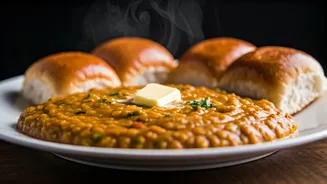
Pav Bhaji is a beloved street food across India, but its warm, comforting nature makes it especially enjoyable during the winter. This dish features a thick vegetable curry (bhaji), cooked with mashed vegetables like potatoes, tomatoes, onions, and peas, and spiced with a special pav bhaji masala. The bhaji is typically cooked on a large griddle (tawa), where the pav (soft bread rolls) are also toasted with butter. The final presentation involves the bhaji topped with a generous portion of butter and served alongside the warm pav, garnished with chopped onions and coriander. The combination of the spicy, flavorful bhaji with the soft, buttery pav makes it a satisfying and warming meal. The simplicity of the ingredients belies the depth of flavor. Whether enjoyed as a snack or a meal, Pav Bhaji is a quintessential street food experience, perfect for a cold day. Its ability to be easily customized with extra spices and garnishes further enhances its appeal.
Bhutta: Corn Delights
Bhutta, or roasted corn on the cob, is a simple yet satisfying winter street food. This snack is most often made by grilling the corn over an open flame, giving it a slightly charred exterior and a smoky flavor. The corn is seasoned generously with salt, chili powder, and often a squeeze of lemon juice. The heat from the grill brings out the natural sweetness of the corn, contrasting beautifully with the spices. The preparation is straightforward, making it an accessible and enjoyable snack for many. The warmth of the roasted corn, combined with the spicy and savory seasonings, provides comfort. The simplicity of Bhutta makes it a universally appealing street food option, enjoyed by people from all walks of life. The sight and smell of the grilling corn also add to the overall experience, making it a familiar and beloved sight during winter evenings.