






The Pink Salt Phenomenon
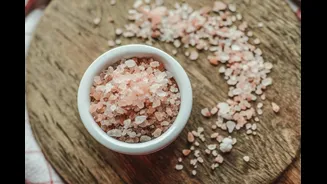
Across India, a noticeable shift is occurring as more individuals embrace pink salt, perceiving it as a superior alternative to conventional white table
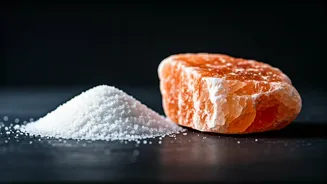
salt. This trend is fueled by an increasing national consciousness towards fitness and healthier living. People are scrutinizing their everyday dietary choices, and the allure of pink salt, often touted for its supposed enhanced nutritional profile, has captured public attention. However, a prominent fitness coach from Bengaluru has voiced concerns, suggesting that this widespread adoption of pink salt might be based on a misunderstanding. He points out that the perceived benefits could be overshadowed by more significant health implications, particularly as people move away from iodised salt, a measure implemented to combat widespread health issues in the past.
Debunking Mineral Claims
The perception that pink salt is a dense source of essential minerals, driving its popularity, is being challenged. According to fitness coach Ralston D’Souza, the trace minerals found in pink salt are present in such minute quantities that obtaining a significant intake would necessitate consuming an impractical and unhealthy amount of salt. He argues that the public is falling prey to marketing strategies that stray from the scientific realities of pink salt's nutritional value. The switch to pink salt not only incurs extra expense for consumers but, more crucially, risks depriving them of iodine, a vital nutrient that regular table salt provides through fortification.
The Iodine Deficit Danger
The critical role of iodised salt in public health, especially in India, cannot be overstated. D’Souza highlights that regular table salt is fortified with iodine specifically to prevent iodine deficiency disorders, which were a serious concern in the 1960s, leading to issues like thyroid dysfunction, pregnancy complications, and impaired cognitive development in children. The resurgence of pink salt consumption, often without iodine, has unfortunately allowed iodine deficiency to re-emerge as a potential threat. In India, the past mandate for salt iodisation served as a crucial protective measure against various health challenges, notably thyroid-related conditions, by ensuring adequate iodine intake. While excessive salt consumption is never advisable, balanced use of affordable, accessible, and nutritionally reliable iodised salt remains a more sensible choice than opting for its non-iodised pink counterpart.