





Defining Autism Spectrum Disorder
Autism Spectrum Disorder (ASD) is a complex neurological and developmental condition that significantly impacts how individuals perceive and interact with
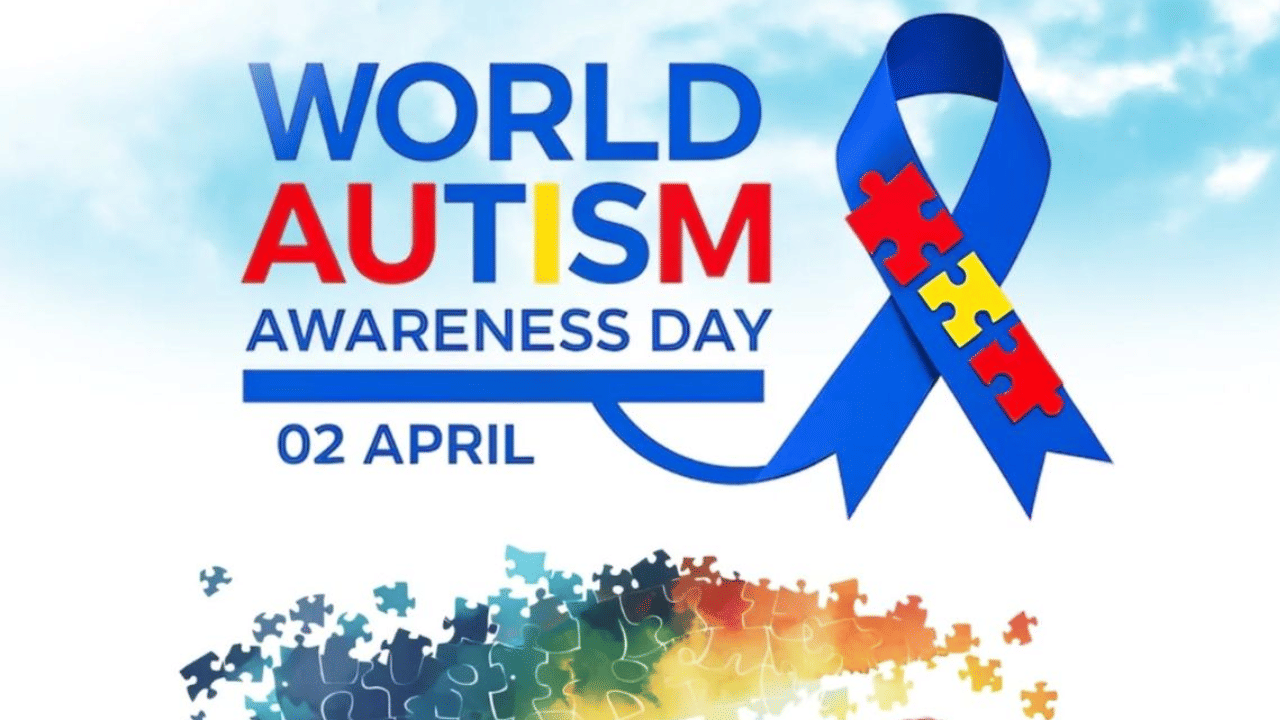
their environment and the people around them. Its designation as a 'spectrum' highlights the vast range in how it presents, meaning no two individuals with ASD experience it in precisely the same way. Understanding ASD is crucial for cultivating an inclusive society that embraces neurodiversity. World Autism Awareness Day, observed on April 2nd, serves as a vital platform to promote awareness, encourage acceptance, and rally support for individuals on the autism spectrum. The overarching theme for this year, 'Autism and Humanity – Every Life Has Value,' underscores the intrinsic worth and unique potential of every person with autism, advocating for genuine inclusion and celebrating the richness that neurodiversity brings to our shared human experience.
Key Signs and Symptoms
Individuals with Autism Spectrum Disorder often exhibit distinct patterns in communication, social engagement, behavior, and sensory processing. Communication challenges can manifest as delayed speech development, difficulties in comprehending subtle social cues like tone of voice or body language, or a preference for less verbal forms of interaction. Socially, engaging in typical reciprocal interactions may prove difficult, ranging from avoiding direct eye contact and struggling with personal space boundaries to challenges in initiating and maintaining friendships. A common characteristic is the presence of repetitive behaviors or routines, which can include actions like hand-flapping, echoing phrases (echolalia), or a strong adherence to specific daily schedules or rituals. Furthermore, many individuals with autism experience significant sensory sensitivities, reacting intensely to stimuli such as bright lights, loud noises, certain textures, or strong smells, which can lead to discomfort or distress in environments that others might find unremarkable.
Myth-Busting Autism
Several misconceptions surround Autism Spectrum Disorder, leading to misunderstandings and stigma. Contrary to popular belief, autism is not a mental illness; it is a developmental disorder that influences how an individual's brain develops and functions, affecting learning, communication, and social interaction. Another pervasive myth is that individuals with autism cannot form deep or meaningful relationships. In reality, while their methods of expressing affection and connecting may differ from neurotypical individuals, they are fully capable of forming profound bonds. The idea that all people with autism have intellectual disabilities is also inaccurate. Autism exists on a spectrum, and many individuals possess average or even above-average intelligence. Lastly, the notion of a 'cure' for autism is a myth. While there isn't a cure, early intervention, tailored therapies, and consistent support can significantly empower individuals with ASD to lead fulfilling and independent lives, maximizing their potential and well-being.