

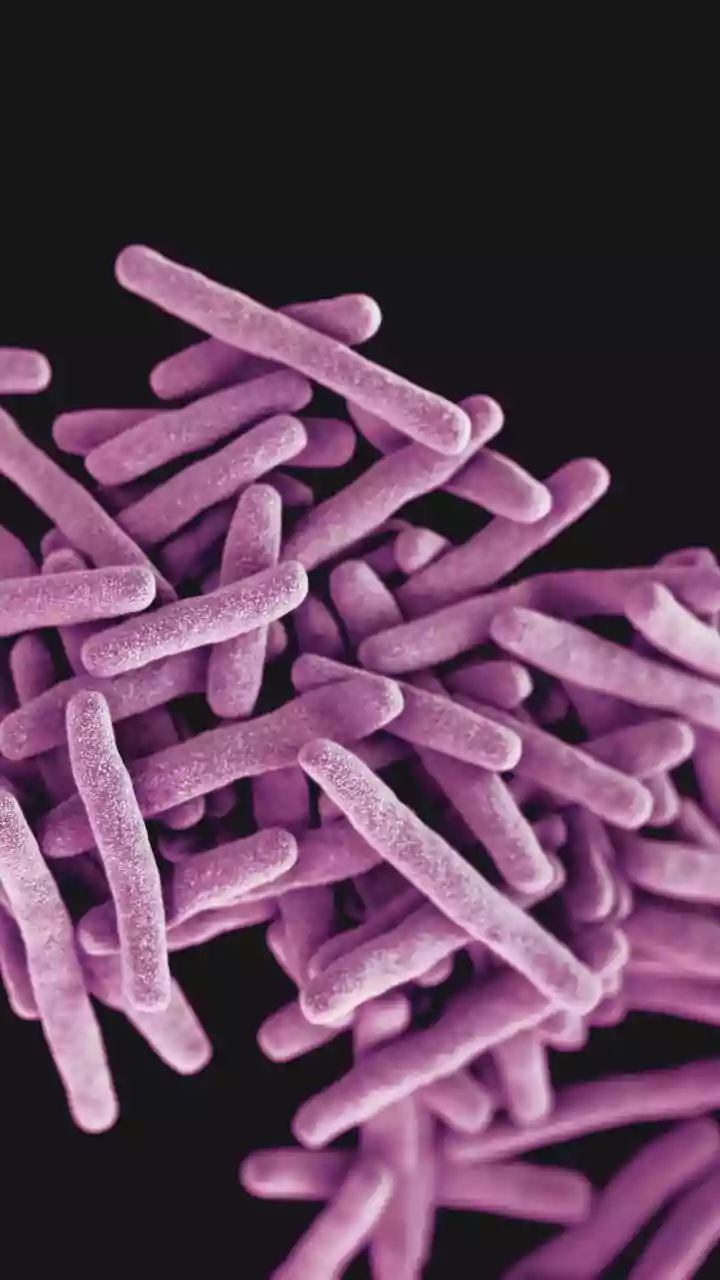







Systemic Vulnerabilities Exposed
The vulnerability of systems can significantly contribute to the resurgence and spread of pathogens. When essential systems, such as healthcare, sanitation,
and even those related to food safety, begin to falter, they create an environment that pathogens can easily exploit. For instance, a breakdown in water treatment infrastructure can directly lead to the contamination of water sources with bacteria, viruses, and parasites. This contamination facilitates disease transmission. Similarly, disruptions in healthcare, whether due to a shortage of medical supplies, understaffing, or infrastructure damage, often impair early detection and treatment of infectious diseases, further escalating their spread. In addition, insufficient waste management leads to breeding grounds for disease vectors, such as mosquitoes and rodents, which can then transmit pathogens.
Healthcare System Weaknesses
A weak healthcare system serves as a major amplifier for pathogen outbreaks. Healthcare systems are designed to detect, control, and treat infectious diseases; however, when these systems are strained or have limited resources, their ability to fulfill these duties significantly decreases. Resource limitations, including understaffing, inadequate equipment, and lack of essential medications, can all impede prompt and effective treatment. This delay allows pathogens to replicate and spread more easily. Poor infection control practices within healthcare facilities, like inadequate hand hygiene or insufficient sterilization of medical equipment, are a major concern. These are frequently associated with hospital-acquired infections (HAIs), making vulnerable patients more susceptible to secondary infections. Furthermore, healthcare systems operating with limited public health infrastructure are less able to conduct critical activities such as disease surveillance and outbreak response.
Infrastructure and Sanitation Failures
Failures in infrastructure and sanitation create pathways for pathogens to flourish. Effective sanitation systems, encompassing proper sewage disposal, water treatment, and solid waste management, are crucial for maintaining public health. When these systems are dysfunctional, they can lead to widespread contamination. For example, untreated sewage can pollute water sources, increasing the risk of waterborne diseases, such as cholera and typhoid fever. Overcrowded living conditions, often linked to inadequate housing and infrastructure, can also heighten the risk of transmission. The close proximity of people living in these conditions, without proper ventilation or sanitation, facilitates the spread of respiratory infections and other communicable diseases. Moreover, inadequate waste disposal contributes to the proliferation of disease vectors, further amplifying the threat of infectious diseases.
Socioeconomic Factors' Impact
Socioeconomic disparities substantially affect the resilience of communities to disease outbreaks. Poverty, which often coincides with inadequate access to healthcare, substandard living conditions, and malnutrition, weakens the immune systems of individuals, thereby increasing their susceptibility to infectious diseases. Furthermore, marginalized and impoverished communities frequently reside in areas with limited sanitation, clean water, and access to healthcare services, creating an environment that is ripe for disease transmission. Educational deficits can also play a role, as inadequate awareness of hygiene practices and preventive measures can lead to increased risk. During outbreaks, these communities are often disproportionately affected, underscoring the necessity of targeted interventions to address these systemic inequalities.
Environmental Degradation and Disease
Environmental changes also increase the potential for pathogen triumph. The destruction of natural habitats, often due to deforestation and urbanization, can bring humans closer to wildlife, which serves as a reservoir for numerous pathogens. This close contact increases the risk of zoonotic diseases, diseases transmitted from animals to humans. Climate change also plays a significant role. Rising temperatures and shifts in precipitation patterns can expand the geographic range of disease vectors, such as mosquitoes, which may then transmit diseases like malaria and dengue fever to previously unaffected regions. Moreover, extreme weather events, such as floods and droughts, can disrupt sanitation and food supplies, creating conditions that are favorable to the spread of infectious diseases. Overall, these environmental factors underscore the complex relationship between ecosystems and human health.
The Importance of Preparedness
Robust preparedness is vital for mitigating the impacts of systems failures and preventing pathogen outbreaks. Developing strong public health infrastructure involves investing in disease surveillance systems, laboratory capabilities, and rapid response teams that can efficiently detect and address emerging threats. Furthermore, establishing clear communication protocols to promptly inform the public about health risks is important. This includes providing accurate information and health advice. Building community resilience also involves ensuring access to healthcare services, promoting healthy behaviors, and addressing socioeconomic disparities. This helps make communities more resistant to the spread of diseases. International cooperation is essential, as pathogens do not respect borders. Sharing information and resources, coordinating outbreak responses, and supporting global health initiatives are all essential to manage potential global health threats.