



Understanding Blood Pressure
Blood pressure refers to the force exerted by circulating blood against the walls of your blood vessels, driven by your heart's rhythmic contractions and
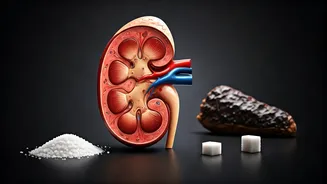
relaxations. While some pressure is normal and necessary for blood flow, consistently high blood pressure, known as hypertension, forces the heart to work much harder to pump blood. This elevated pressure can damage blood vessels and vital organs over time, including the heart, brain, kidneys, and eyes. Hypertension is characterized by systolic pressure (during heart contraction) and diastolic pressure (during heart relaxation). Readings equal to or exceeding 140 mm Hg systolic or 90 mm Hg diastolic are generally considered high. Factors like stress, obesity, and, crucially, excessive sodium intake from our diets contribute to this prevalent condition. Recognizing these basics is the first step toward effective management and maintaining cardiovascular health.
The Role of Potassium
Potassium plays a pivotal role in managing high blood pressure, acting as a crucial counterbalance to sodium's effects. This essential mineral aids the body in expelling excess sodium through urine, which helps to reduce fluid retention and consequently lowers the pressure on blood vessel walls. Incorporating foods rich in potassium is therefore a key dietary strategy for hypertensive individuals. Millets like jowar and bajra are excellent sources, as are various pulses and a wide array of fruits and vegetables. By increasing potassium intake, one can significantly mitigate the impact of dietary sodium, promoting healthier blood circulation and a more stable blood pressure. This natural mechanism underscores the importance of a diet abundant in potassium-rich Indian staples for effective blood pressure control.
Heart-Smart Indian Meal Plans
Crafting daily meals with blood pressure management in mind is achievable with thoughtful Indian culinary choices. The focus shifts towards whole grains, legumes, and fresh produce, minimizing processed items laden with hidden sodium. For instance, a balanced day might start with a nutritious Thalipeeth, a savory pancake made from various flours, offering a moderate sodium intake. Mid-morning hydration can come from an Amla Ginger Juice, naturally rich in vitamins and low in sodium. Lunches could feature a hearty Garlic Vegetable Soup paired with Bajra Roti, a whole grain staple. Evenings can be light with an Anti-Cholesterol Shake or Sukha Moong, a dry preparation of spiced moong beans. Dinners often include Jowar Roti accompanied by a simple vegetable preparation like Dahi Bhindi, using low-fat yogurt. These meal plans, consistently staying within estimated daily sodium limits of around 1000-1500 mg, demonstrate how delicious and satisfying a low-sodium diet can be, promoting long-term cardiovascular health.
Wholesome Grains & Legumes
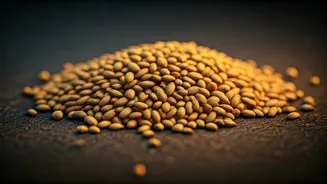
Incorporating whole grains and legumes is fundamental to a heart-healthy Indian diet, especially for managing blood pressure. Grains like jowar (sorghum) and bajra (pearl millet) are packed with potassium and fiber, contributing significantly to lowering blood pressure by assisting in sodium excretion and improving blood flow. Jowar roti, for example, is naturally rich in minerals and fiber, offering a low glycemic index that supports steady energy levels. Similarly, bajra roti provides essential nutrients and is a gluten-free alternative. Legumes such as moong (mung beans) and rajma (kidney beans) are excellent sources of protein and fiber. Moong, whether in a soup or a dry preparation like Sukha Moong, is easily digestible and beneficial for heart health. Rajma, often prepared as a salad or in dishes like Rajma Brown Rice, is rich in potassium, with a single serving providing a substantial portion of the daily requirement. These staples form the cornerstone of meals designed to reduce hypertension naturally.
Flavorful Veggies & Fruits
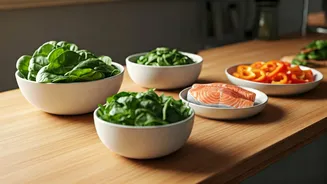
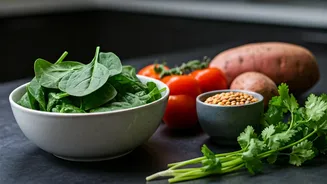
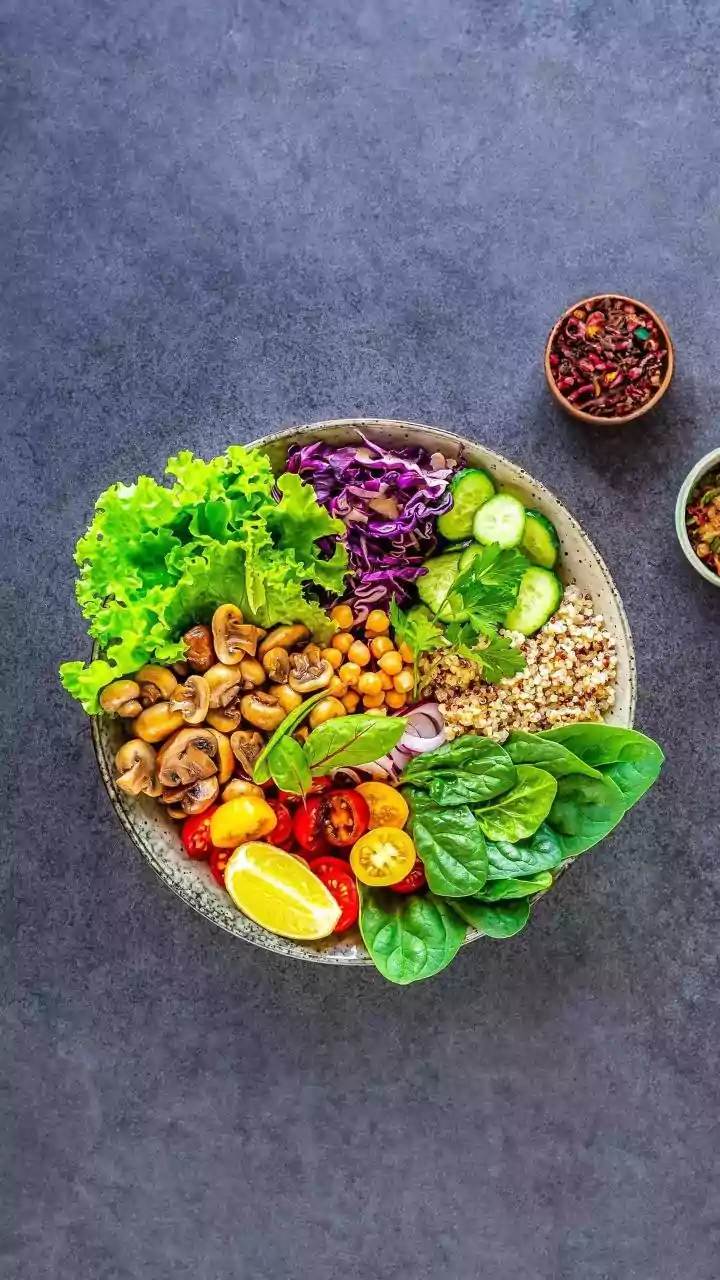
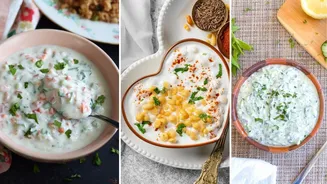
Vegetables and fruits are powerhouses of nutrients essential for managing high blood pressure, offering a wealth of potassium, magnesium, and fiber. Dishes featuring lady's finger (bhindi), bottle gourd (lauki), bitter gourd (karela), tomatoes, and green peas are excellent additions to a low-sodium diet. For instance, Dahi Bhindi, made with low-fat yogurt and minimal spices, offers a creamy texture and essential nutrients. Mixed vegetable thoran, a Kerala specialty, provides a medley of flavors and health benefits. Fruits like amla (Indian gooseberry) and apples, when juiced, offer a refreshing way to consume vital vitamins and antioxidants, as seen in Amla Ginger Juice. These natural ingredients, when used liberally in cooking, not only enhance the taste and visual appeal of meals but also provide the necessary micronutrients to support cardiovascular health, relax blood vessels, and aid in the body's natural processes for blood pressure regulation. Embracing a variety of colorful produce ensures a comprehensive intake of beneficial compounds.
Tips for Reduced Sodium Cooking
Mastering the art of cooking with reduced sodium is key to effectively managing blood pressure while still enjoying flavorful Indian cuisine. The primary strategy involves significantly limiting added salt, aiming for less than 5 grams per day as recommended by health organizations like WHO and ICMR-NIN. Instead of relying on salt, embrace a spectrum of natural flavor enhancers. Fresh ingredients like garlic, ginger, green chilies, and herbs such as coriander and mint add zest and aroma. Ground spices like cumin (jeera), coriander (dhania), and black pepper offer warmth and complexity. Techniques such as roasting spices before grinding can intensify their flavor profile. Lemon or lime juice provides a bright, tangy counterpoint, often used in dressings and marinates. Utilizing vegetable broths or stocks as a base for soups and stews instead of salty bouillons also makes a substantial difference. By consciously choosing these alternatives, one can create delicious, satisfying meals that are inherently low in sodium and beneficial for heart health, demonstrating that taste and health can coexist harmoniously.