




Food: A Foundation
Food serves as the fundamental building block of life, providing the necessary nutrients for survival. It also represents a deep cultural connection, reflecting
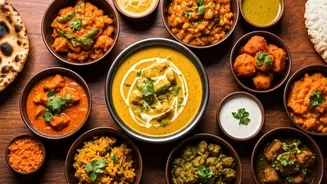
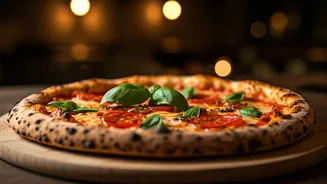
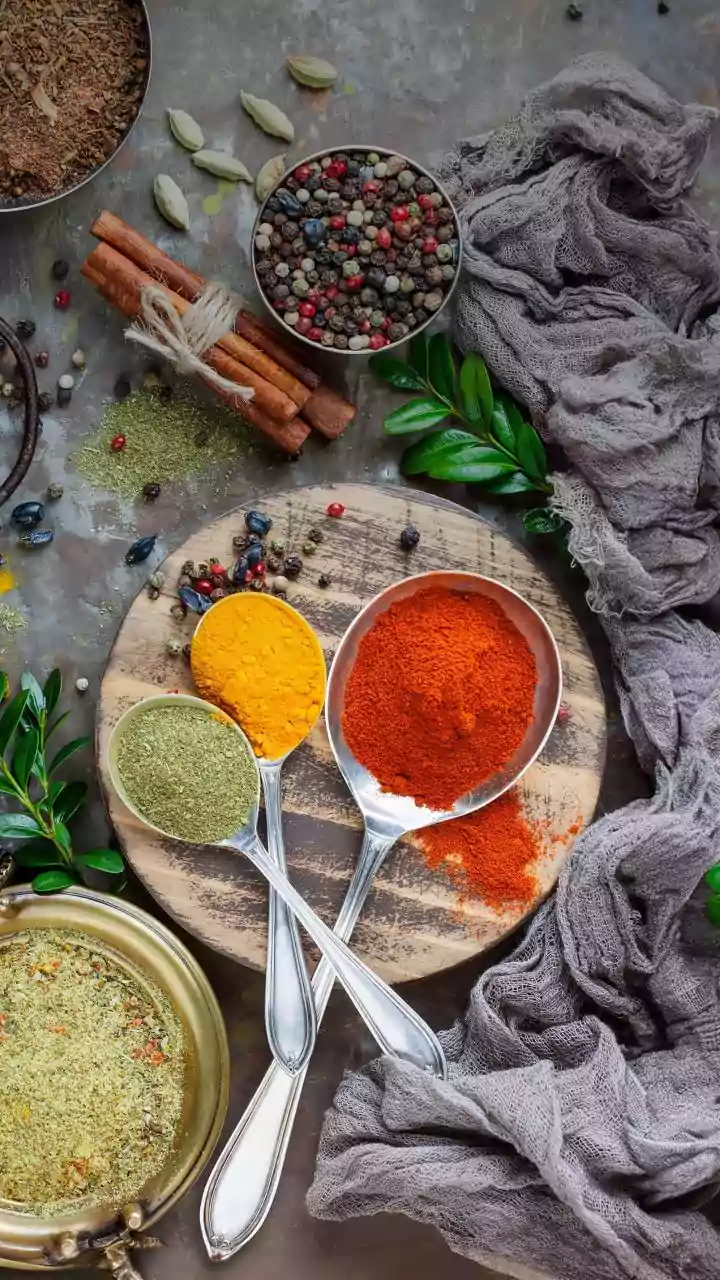
traditions, values, and social practices. Every culture has its own distinctive approach to food, which reflects its unique history, geographical environment, and social dynamics. Ingredients such as rice, wheat, and corn are the foundation for different regional cuisines, and their preparation methods can vary wildly, from simple boiling to elaborate baking, grilling, and stewing. For instance, the traditional use of spices in Indian cuisine and the focus on fresh, seasonal ingredients in Italian cooking. Food preparation frequently takes on a ritualistic character, reflecting cultural heritage and traditions. These rituals, which may include the sharing of a meal or the observance of specific dietary restrictions, are crucial to maintaining cultural identity. Further, in modern society, food has grown from a survival necessity to a source of leisure, art, and entertainment.
Global Culinary Exploration
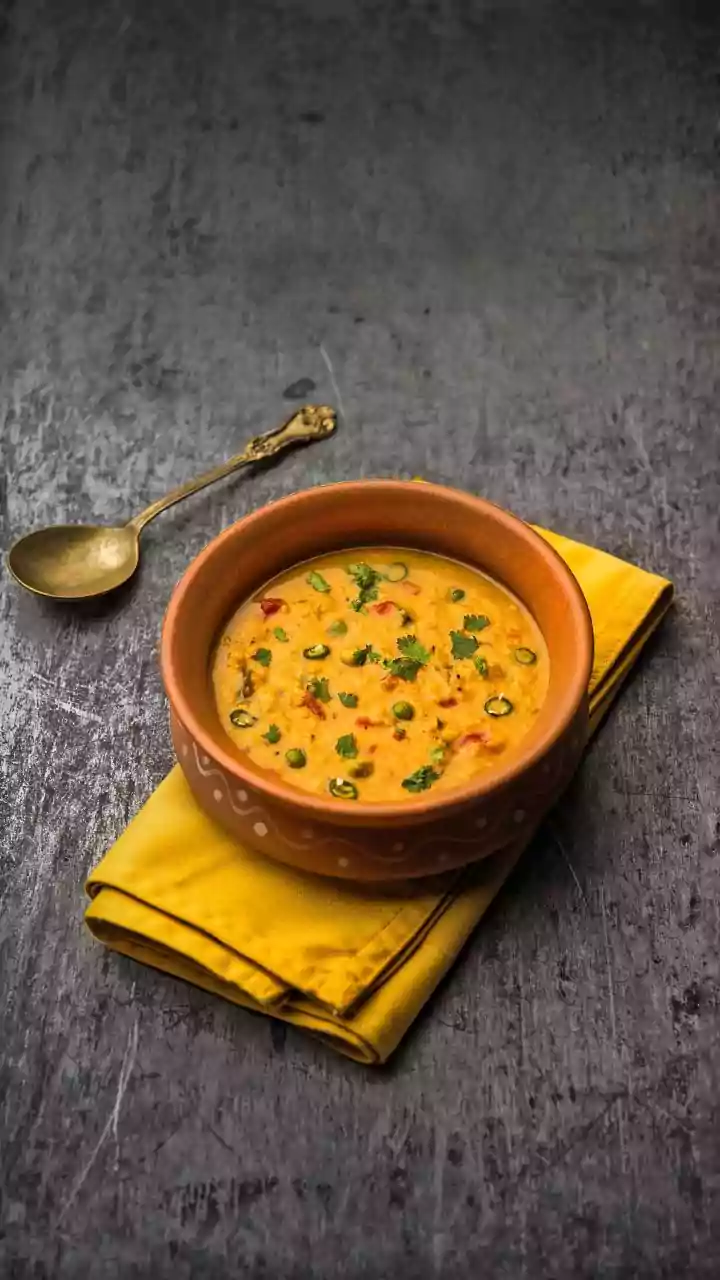
Exploring the world's cuisine reveals a fascinating tapestry of tastes, ingredients, and culinary methods. The rich diversity of flavors showcases the creative ways that people around the world have adapted food to their environments and cultural preferences. From the fiery spices of Thai cuisine, which use chillies and aromatic herbs to achieve a perfect balance, to the delicate sushi of Japan, where raw seafood and precisely cooked rice are combined, a wide variety of cuisines are present. Take the aromatic spices of Indian cooking, which provide flavors to curries and tandoori dishes, or the freshness of Mediterranean food, which emphasizes olive oil, herbs, and fresh vegetables. Each area has its own unique culinary history, offering a distinctive perspective on ingredients, techniques, and customs that are deeply ingrained in its culture. This global journey highlights the value of diversity in food and the way that eating can link us to other cultures and experiences.
Mastering Cooking Techniques
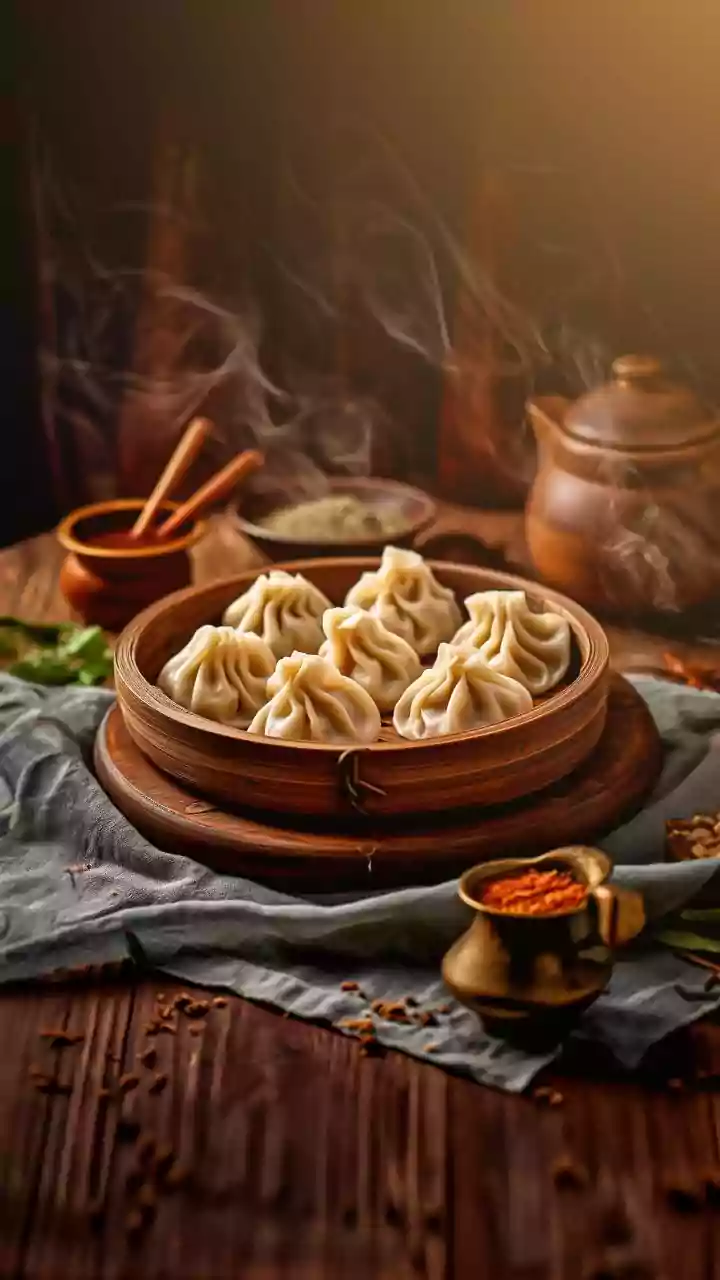
The ability to cook proficiently necessitates a grasp of various cooking methods, each of which has a unique impact on food flavors, textures, and nutritional value. The basic methods include boiling, in which food is submerged in boiling water, steaming, where food is cooked in the vapor of boiling water, and grilling, in which food is cooked over a direct heat source. Frying techniques, such as pan-frying, deep-frying, and stir-frying, use hot oil to quickly cook the food, giving a crisp texture. The art of baking requires precise heat control to cook food in an oven, especially with bread and pastries. Other techniques such as braising, where food is slowly cooked in liquid, and sautéing, which involves quickly cooking food in a pan with a little oil, produce more complex flavors. Mastering these techniques requires careful attention, practice, and a readiness to try new things. These skills enable home cooks to create meals that are both flavorful and nutritious, regardless of their experience level.
Food and Health
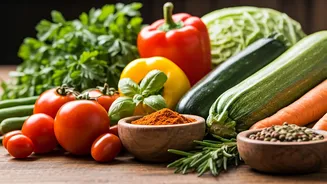
The link between food and health is fundamental to a well-balanced lifestyle, with a focus on eating habits that nourish the body. A diet rich in fruits, vegetables, whole grains, and lean proteins is critical for preventing diseases and supporting overall health. Nutrients, including vitamins, minerals, and antioxidants, offer essential support for the immune system, cell function, and overall well-being. Balanced diets emphasize portion control and the variety of foods to meet the body's specific nutritional requirements. Moreover, making conscious choices about food sources and methods of preparation can help to minimize the consumption of processed foods, sugars, and unhealthy fats, which can have negative health consequences. Focusing on mindful eating, such as listening to hunger signals and savoring each bite, supports a better relationship with food and promotes a positive body image.
Food's Cultural Significance
Food is more than just a source of nourishment; it is deeply entrenched in cultural traditions, representing history, identity, and shared experiences. Across the world, meals are frequently accompanied by celebrations and rituals, whether it is the elaborate Thanksgiving feast in the United States or the solemn tea ceremonies in Japan. Food represents traditions, customs, and values from one generation to the next, from family recipes passed down to community celebrations. Certain foods become synonymous with particular cultures, such as pasta in Italy, tacos in Mexico, or sushi in Japan. Also, food plays a vital part in social interactions, from family dinners to festive celebrations, creating memories and strengthening bonds. This shows that food is a dynamic component of culture, influencing how people celebrate, communicate, and create identities.