





Yoga Block Basics
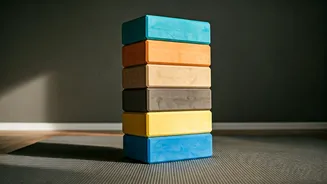
Yoga blocks, though seemingly simple, are indispensable tools for any yoga enthusiast. They serve multiple purposes, the most common being the enhancement
of proper alignment during various poses. For newcomers, blocks assist in reaching the floor in poses like Triangle Pose or Extended Side Angle, thereby preventing strain. For advanced practitioners, they can intensify stretches, provide additional support, and facilitate the refinement of complex postures. Choosing the right block depends on individual needs. Factors like material, size, and density should be considered, with options ranging from foam to cork or wood. The ₹1000 budget offers excellent choices to kickstart or augment your yoga journey with some of the best blocks available.
Foam Block Benefits
Foam yoga blocks are popular choices for beginners owing to their lightweight nature and affordability. These blocks are generally made of EVA foam or similar materials that provide sufficient support without being overly rigid. This makes them ideal for individuals who are new to yoga and need a softer surface to aid in balance and stability. Foam blocks come in various thicknesses, which allows for gradual progression as one's flexibility improves. The cushioning effect of the foam is gentle on the joints, minimizing the risk of injury. Moreover, their typically lower price point makes them an accessible option. The price range under ₹1000 typically includes a selection of quality foam blocks that fulfill basic needs for alignment support and flexibility.
Cork Block Advantages
Cork yoga blocks stand out for their durability and eco-friendliness. Made from natural cork, these blocks offer a firmer support compared to foam, providing a different level of stability during poses. Cork blocks often offer better grip, preventing slipping and enhancing overall safety. The firmer texture can aid in deepening poses by providing a more grounded feel. Their robust nature ensures they withstand repeated use, making them a good investment for regular practitioners. The natural material also brings an earthy aesthetic to one's practice. Cork blocks within the budget range of ₹1000 present excellent value for those seeking both stability and eco-conscious options. They generally last for years, withstanding frequent practice with minimal wear.
Wood Block Considerations
Wooden yoga blocks offer the most rigid and stable support, making them suitable for advanced practitioners or those who have mastered the basics and require a solid surface. They are typically made of hardwood, providing maximum support and a sense of grounding during poses. Wooden blocks are highly durable, often lasting a lifetime with proper care. However, they may not be the best choice for beginners, as their lack of cushioning can be uncomfortable if the practice is new. Their weight and rigid structure can also make them less portable. Within the ₹1000 budget, the market offers a good range of wooden yoga blocks, often crafted from sustainably sourced materials, suitable for individuals seeking maximum support and stability.
Essential Block Uses
Yoga blocks serve several essential functions in a practice. They can be used to modify poses to accommodate different flexibility levels, ensuring that everyone can participate comfortably and safely. In standing poses, blocks can be placed under the hands to extend the reach towards the floor, promoting proper alignment and reducing strain on the back. Blocks are helpful in seated forward folds, assisting with hip opening and hamstring stretches. They can also be used for balance poses, offering additional support. For inversions, blocks support headstands and shoulder stands. Overall, these uses make yoga blocks versatile tools that accommodate a wide spectrum of poses to cater to all levels of experience.
Price and Material
The price of yoga blocks varies based on materials. Foam blocks are typically the most affordable, with many options available under ₹1000, presenting a great starting point for beginners. Cork blocks are mid-range, offering an excellent balance of quality and cost. Wood blocks tend to be the most expensive due to their durability and higher production costs, with some options fitting within the under ₹1000 price range, particularly if they are made from less expensive wood. It’s important to weigh your needs against the features to make the best purchase. Consider the grip, the density, and also the weight of the block to ensure it's suitable for your physical needs and the type of yoga you do.
Finding the Right Fit
Choosing the right yoga block involves considering personal needs and practice style. Beginners should generally start with foam blocks due to their softness and affordability. If you're looking for stability and sustainability, a cork block is an excellent option, providing a firmer base. Advanced practitioners looking for ultimate support should explore wood blocks. Also consider the size and density of the block; standard sizes provide versatility, while denser blocks offer more support. Reading reviews and comparing the specifications will help you make a well-informed decision. Experimenting with different blocks at a studio or at a friend's place helps in identifying what best suits your body and yoga practice needs.
Care and Maintenance
Caring for your yoga blocks will extend their lifespan and maintain their functionality. Foam blocks can be cleaned with a damp cloth and mild soap. Avoid harsh chemicals that could degrade the material. Cork blocks are naturally antimicrobial, so simple wiping with a damp cloth is typically sufficient. Wood blocks can be wiped down and occasionally treated with a wood sealant to protect against moisture and wear. Always store the blocks in a dry, well-ventilated place to prevent mold and mildew. Proper care ensures that your blocks remain in top condition, providing essential support and stability throughout your yoga journey. Proper care of your yoga blocks preserves their longevity, ensuring your investment pays off over time.