

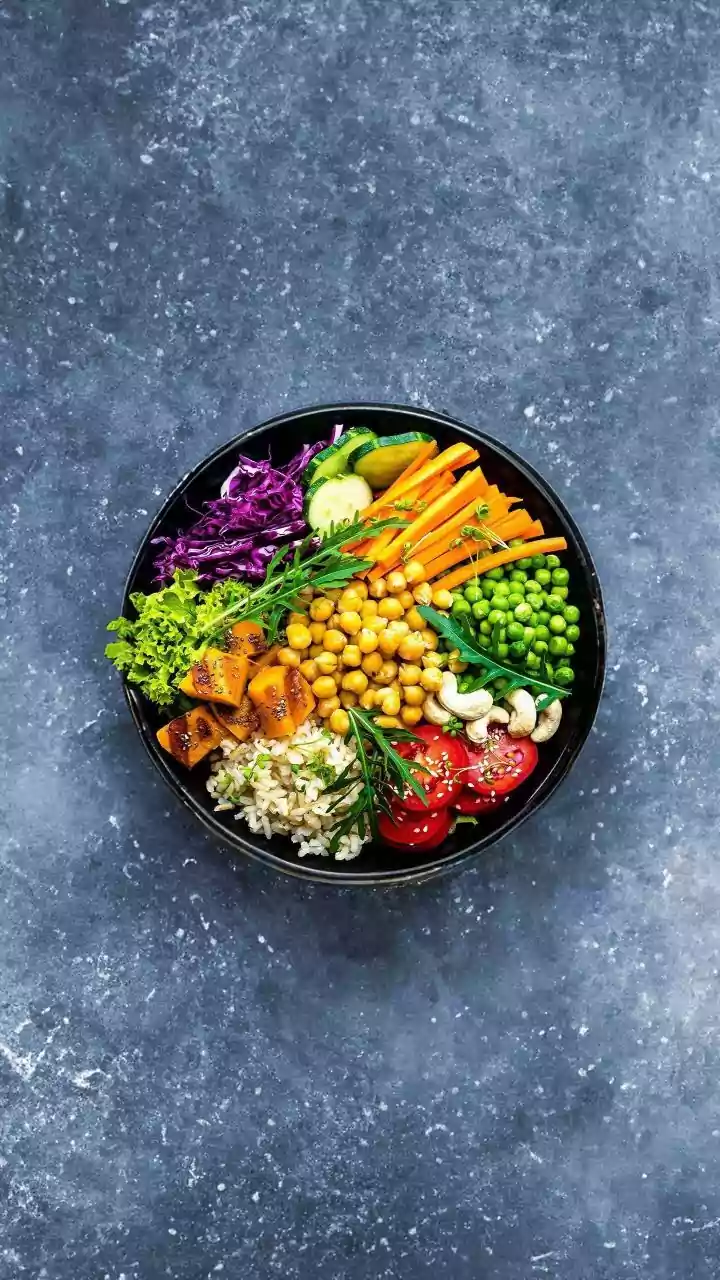




Sattvic Diet Essentials
The observance of Chaitra Navratri, a significant Hindu festival, involves nine days dedicated to Goddess Durga and the commencement of the Hindu New Year.
A core aspect of this period is the practice of fasting, where devotees adhere to a Sattvic diet. This dietary approach emphasizes foods that are light, natural, and easily digestible, aiming to promote physical lightness and mental tranquility. The philosophy behind a Sattvic diet involves consuming fresh produce, dairy, nuts, and incorporating mild seasonings. Conversely, foods that are excessively pungent, fiery, or heavily processed are generally excluded because they are believed to disrupt the body's equilibrium and digestive processes during this sacred time. By choosing ingredients that are pure and easily metabolized, individuals can enhance their spiritual connection and maintain a sense of well-being throughout the fasting period, ensuring that their meals contribute to a state of inner calm and clarity.
Permitted Spices for Fasting
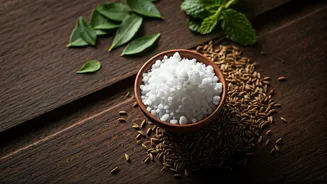
During Chaitra Navratri fasting in 2026, certain spices are embraced for their purity and gentle flavoring properties, aligning perfectly with Sattvic guidelines. Rock salt, known as sendha namak, is the primary salt substitute, esteemed for its unprocessed nature and purity, making it an ideal choice for fasting meals. Cumin, or jeera, is another staple, widely utilized for its ability to add subtle warmth and depth to dishes while also aiding digestion; it can be used whole, as a powder, or even sprinkled over fruit or yogurt. Black pepper (kali mirch) serves as an excellent alternative to red chili powder, offering a mild heat that enhances flavor and supports digestion without being overly aggressive. Green cardamom (elaichi) is a beloved spice, frequently incorporated into fasting-friendly sweets, teas, and desserts due to its fragrant aroma and refreshing taste, which complements the overall lightness of Sattvic cuisine. Lastly, cinnamon (dalchini) can be used sparingly in herbal teas and sweet preparations, lending a natural sweetness and a comforting warmth that is considered beneficial during the fasting period, further enriching the culinary experience while adhering to the festival's dietary regulations.
Spices to Avoid During Fasting
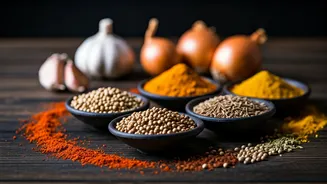
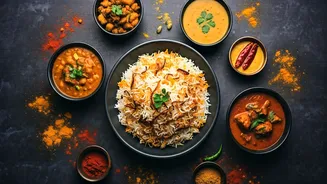
Navigating the restrictions during Chaitra Navratri fasting means being aware of specific spices that deviate from Sattvic principles. Fenugreek seeds, or methi, are generally excluded because they are considered too potent and heating for a diet focused on light, easily digestible foods, potentially disrupting the desired calm. Asafoetida, commonly known as hing, is a common ingredient in many Indian kitchens, but most commercially available forms contain wheat flour, rendering them unsuitable for those observing strict fasting rules, particularly if gluten is to be avoided. Mustard seeds (rai) are also typically avoided as they are perceived as too strong and warming for the digestive system during this period of purification. Similarly, red chili powder (lal mirch) is eschewed due to its intense heat, which runs contrary to the Navratri philosophy of consuming mild, balanced, and easily assimilated foods. By consciously omitting these pungent and heating spices, devotees can maintain the sanctity of their fast and uphold the principles of Sattvic eating, ensuring their meals are both spiritually aligned and physically conducive to well-being.