






Cravings: More Than Desire
Food cravings, that sudden urge for a specific taste or texture, are often misunderstood as mere indulgence or a lack of self-control. However, experts
reveal that these desires are intricate signals stemming from a complex interplay of our biology, emotional state, and daily routines. Instead of viewing cravings as weaknesses, understanding them as messages from our body can revolutionize our approach to eating and lead to improved health outcomes. This deeper comprehension allows us to move past impulse and towards a more mindful relationship with food, recognizing that what we crave is often a response to underlying needs, whether physical or psychological.
Brain's Pleasure Pathways
The genesis of a craving lies within the brain's reward circuitry. When we consume foods rich in sugar, fat, or salt, a surge of dopamine, the 'feel-good' neurotransmitter, is released, creating an immediate sense of pleasure. This reinforces a positive association between these specific foods and gratification, training the brain to seek them out. Beyond dopamine, hormones like ghrelin, which stimulates hunger, and leptin, which signals fullness, also play crucial roles. Disruptions in these hormonal balances, often caused by insufficient sleep or irregular eating patterns, can lead to cravings even when our bodies don't require actual nourishment, highlighting the significant impact of lifestyle on our appetites.
Sweet Cravings Explained
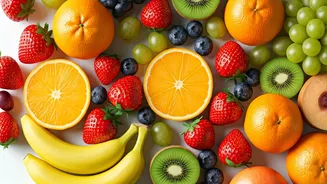
The most prevalent type of craving is for sweet foods. These urges often arise when blood glucose levels dip, signaling the body's need for readily available energy, which sugar rapidly provides. However, the motivation isn't solely physiological. Emotional states also heavily influence sweet cravings; for instance, stress or fatigue can trigger a desire for sugar as it temporarily elevates serotonin, a mood-boosting chemical. While this provides fleeting comfort, consistent high sugar intake can contribute to insulin resistance over time, potentially leading to metabolic complications. Understanding this dual influence of physical energy needs and emotional regulation is key to managing sweet desires.
Salty Cravings Unpacked
A craving for salty items might be your body's way of communicating specific needs, often related to hydration or electrolyte balance. If you've been sweating excessively or haven't consumed enough fluids, your body may signal a need for sodium to restore equilibrium. Furthermore, stress can impact the adrenal glands, influencing the body's salt regulation and thus triggering salty cravings. While salt is essential for nerve and muscle function, excessive consumption is linked to adverse health effects such as elevated blood pressure and cardiovascular issues. Recognizing these potential causes helps in addressing the root of the craving rather than just satisfying it.
The Allure of Crunch
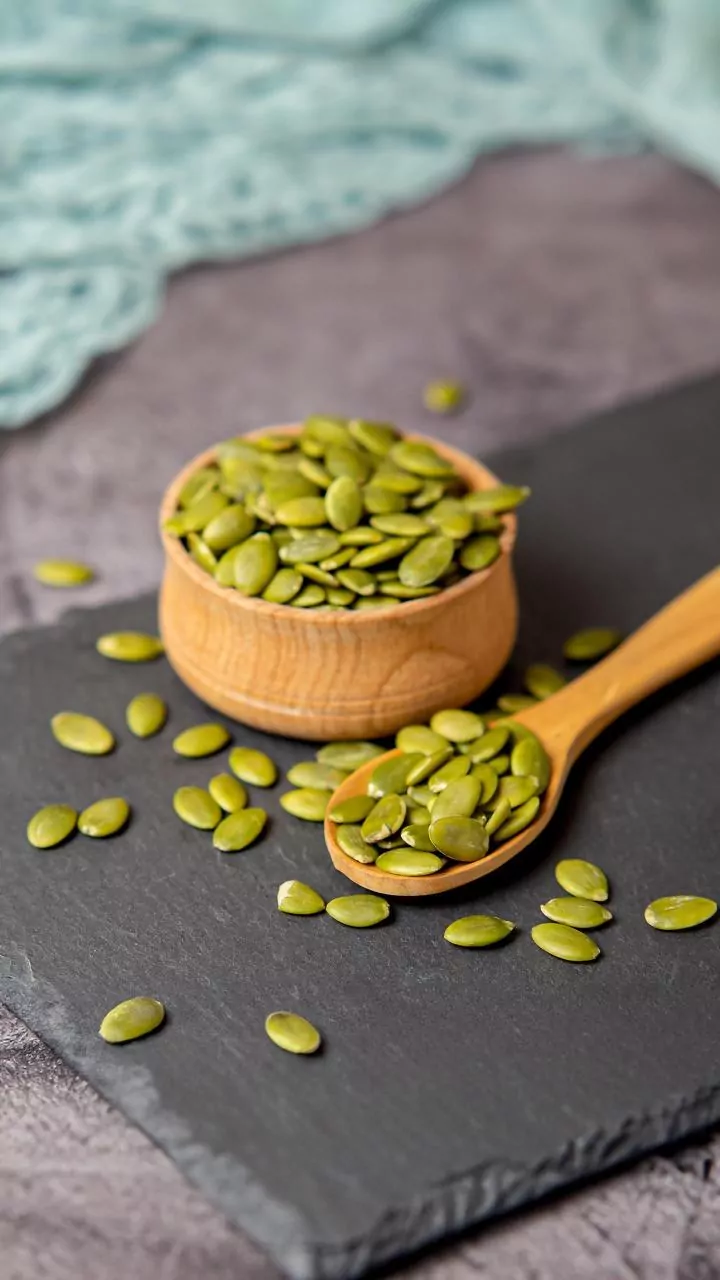
The desire for crunchy foods often extends beyond mere taste to encompass the sensory experience of texture. The act of eating something crunchy stimulates multiple areas of the brain, providing a distinct form of satisfaction. There's also a significant behavioral component: the repetitive action of chewing can exert a calming influence. This is why individuals frequently turn to chips or other crispy snacks when feeling bored or stressed, seeking a physical outlet for tension release. The satisfying sound and feel of crunching can offer a sense of grounding and an almost tactile way to alleviate psychological pressure.
Mindful Craving Management
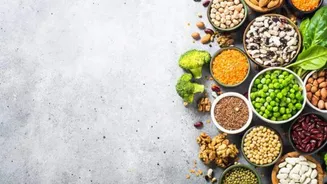
Effectively managing cravings involves understanding and addressing their root causes, rather than simply fighting them. Key strategies include staying well-hydrated to prevent false hunger signals, maintaining regular meals to stabilize blood sugar, and prioritizing sufficient sleep to balance hunger-regulating hormones. Incorporating stress-management techniques, such as physical activity or mindfulness, can also significantly reduce stress-induced cravings. The crucial step is to differentiate between genuine hunger and a simple craving, allowing for more thoughtful responses. By viewing cravings as informative cues rather than adversaries, we can cultivate a healthier relationship with food and enhance our overall well-being.