



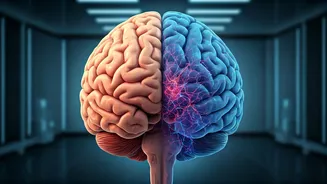
What is MND?
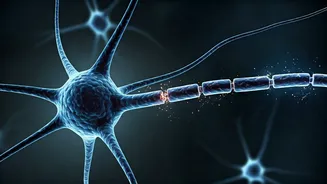
Motor Neuron Disease (MND) is a collective term for a group of debilitating neurological conditions that systematically erode the motor neurons. These
vital nerve cells are responsible for transmitting signals from the brain to the muscles, enabling essential voluntary actions such as speaking, swallowing, walking, and breathing. In a healthy system, nerve impulses travel from upper motor neurons in the brain to lower motor neurons in the spinal cord, and subsequently to muscles. However, in MND, this communication pathway is disrupted. The deterioration of lower motor neurons leads to muscle atrophy and weakness, while the inability of upper motor neurons to relay signals causes muscles to stiffen, rendering voluntary movements slow and arduous. Over time, this progressive damage can result in a complete loss of motor control, leading to severe disability and ultimately, death. Currently, there is no known cure for MND, although treatments can offer some relief and improve the quality of life for affected individuals by mitigating the disease's impact, even as the underlying nerve degeneration continues relentlessly.
Recognizing MND Symptoms
The initial manifestations of Motor Neuron Disease can be subtle, often becoming more pronounced as the condition advances. Common signs include difficulty with speech, leading to a slurred delivery, and a noticeable weakening of grip strength, making everyday tasks challenging. Individuals may experience muscle twitches and involuntary weight loss due to muscle wasting. Furthermore, symptoms can encompass breathlessness, fatigue, and a persistent morning headache, suggesting systemic impact. Emotional regulation can also be affected, manifesting as unpredictable episodes of crying or laughter. Disturbed sleep patterns and recurrent chest infections are also reported. While the exact cause of MND remains elusive, research points to the progressive malfunction of motor neurons over time. Genetic factors play a role, as a single gene mutation can lead to hereditary forms of the disease, making a family history of MND or frontotemporal dementia a potential risk factor. Although typically affecting individuals in their 60s and 70s, MND can impact people of all ages. Consulting a healthcare professional is crucial for accurate diagnosis and management.
The Progression of MND
Motor Neuron Disease is characterized by its relentless progression, meaning it consistently worsens over time. Following a diagnosis, which for actor Michael Patrick occurred on February 1, 2023, the condition continues its assault on the nervous system. While treatments can be implemented to manage symptoms and enhance a patient's comfort and quality of life, they do not halt the underlying degeneration of motor neurons. These nerve cells continue to break down over weeks and months, leading to an escalating loss of muscle function and control. This progressive deterioration results in increasing immobility, making it difficult to perform even basic bodily functions. The ultimate outcome of MND is severe disability, as the body's ability to move and function voluntarily diminishes significantly. The disease tragically culminates in death, a reality highlighted by the passing of Michael Patrick at the age of 35 in April 2026, underscoring the profound and life-altering nature of this neurological disorder.