





The Growth Myth
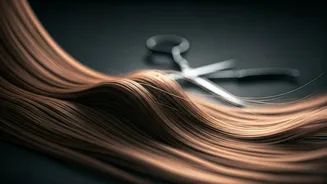
Let's clarify a common misconception right off the bat: haircuts do not magically make your hair grow faster. Hair growth originates at the scalp, not the ends.
While scissors don't influence the speed of new growth, the frequency of your trims significantly impacts the overall health, thickness, and appearance of your hair. Understanding this distinction is key to managing your hair effectively and achieving your length goals. The average hair growth rate is around 1 to 1.5 cm per month, accumulating to approximately 12–15 cm annually under optimal conditions. However, this rate can fluctuate due to genetics, diet, hormonal balances, stress levels, and your hair care practices. Therefore, while skipping haircuts won't boost growth speed, it can negatively affect how much of that natural growth you manage to preserve.
Why Trims Matter
Consider your hair's ends as the worn fabric of a garment. Over time, they become susceptible to dryness, splitting, and fraying. If left unaddressed, these split ends have a tendency to travel upwards along the hair shaft. This upward migration leads to thinning at the bottom of your hair, increased breakage, and ultimately, a loss of the very length you're trying to maintain. In essence, while your hair might be growing from the root, the damage at the ends can negate that progress, making it appear as though your hair isn't growing at all. Regular trims act as a preventative measure, removing these compromised ends before they can cause widespread damage and helping you retain the length that your hair is actively producing.
Optimal Trim Schedules
Determining the ideal haircut frequency hinges on various factors, including your hair type, your aspirations for length, and your styling habits. For those diligently working towards growing their hair out, aiming for a trim every 10 to 12 weeks (or 2.5 to 3 months) is generally recommended. This timeframe allows for the removal of damaged ends without sacrificing too much of your accumulated length, striking a balance for healthy growth. If your hair is already in good condition, you might be able to slightly extend this interval, but it's crucial not to wait too long, as progressing split ends can undo your efforts. Individuals with chemically treated or damaged hair, such as bleached, coloured, or heat-styled hair, face a higher risk of breakage. For these hair types, more frequent trims, every 6 to 8 weeks, are beneficial. This regular maintenance helps manage existing damage and prevents it from worsening, thereby protecting your growth. Short haircuts or those with structured styles necessitate trims every 4 to 6 weeks to preserve their intended shape and definition. For curly or textured hair, which can sometimes conceal split ends, a trim every 8 to 12 weeks is advised to maintain health and definition.
The Consequence of Neglect
The temptation to completely forgo haircuts when aiming for longer hair is understandable, but it's often a counterproductive strategy. If you avoid trims altogether, the ends of your hair are likely to become increasingly dry, frizzy, and prone to tangling. This heightened vulnerability leads to more significant breakage, resulting in uneven and thin-looking growth. Consequently, you may eventually face the need for a much more substantial haircut to rectify the accumulated damage. Instead of promoting length, avoiding necessary trims can actually lead to a net loss of hair and a more drastic intervention down the line. Paying attention to your hair's signals is also important. Signs indicating a need for a haircut include the appearance of split ends, a rough or straw-like texture, excessive tangling, a loss of shine, and ends that appear thin or see-through.
What Truly Aids Growth
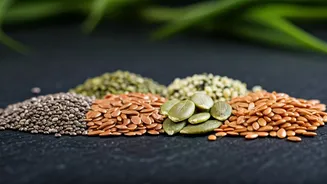
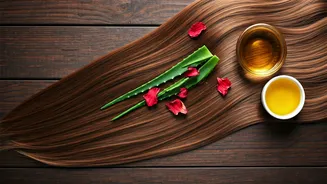
While haircuts are essential for maintaining hair health and appearance, they don't influence the rate at which hair grows. To genuinely promote faster and healthier hair growth, the focus should shift to the scalp and overall well-being. A balanced diet rich in protein, iron, and essential vitamins is fundamental, so incorporating foods like eggs, nuts, leafy greens, and fruits into your meals is beneficial. Prioritizing scalp health through regular oiling, gentle massages, and keeping roots clean creates an optimal environment for growth. Minimizing heat styling, as excessive heat can weaken the hair shaft and lead to breakage, is also crucial. Gentle handling, which includes avoiding tight hairstyles, aggressive brushing, and pulling, further protects your hair. Lastly, managing stress and ensuring adequate sleep play a significant role, as high stress levels can impede hair growth. A simple, effective routine involves trimming every 2–3 months, oiling your hair 1–2 times weekly, using mild hair products, avoiding excessive heat, and maintaining a healthy diet and hydration.