




Punjabi Food's Spotlight
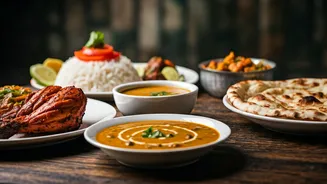
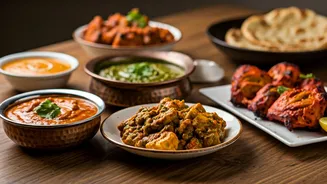
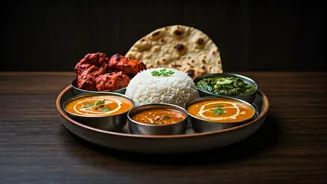
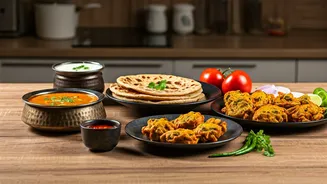
Punjabi cuisine, known for its rich flavors and hearty dishes, forms a significant part of Badshah's diet, according to nutritionists. The use of ingredients
like ghee, butter, and cream, prevalent in many Punjabi recipes, often raises concerns about health. However, a deeper look reveals that many traditional Punjabi foods offer considerable nutritional advantages. These meals often feature substantial amounts of protein and fiber, thanks to ingredients like lentils, legumes, and whole grains. In this context, it's vital to examine the balance of these foods and how they contribute to a well-rounded diet. The emphasis shifts from simply enjoying the taste to understanding the complete nutritional profile and its health implications. The focus should be on how Badshah incorporates these foods, considering his energy needs and health objectives, rather than a blanket endorsement of every dish. This holistic approach helps draw meaningful insights into his dietary choices.
Ghee and Healthy Fats
Ghee, a clarified butter, is a staple in Punjabi cuisine. While often viewed as unhealthy because of its saturated fat content, ghee does offer some advantages. It's a source of fat-soluble vitamins, including A, D, E, and K, crucial for various bodily functions. Moreover, ghee is known for its ability to withstand high temperatures, making it a stable cooking oil. Nutritionists often highlight the importance of balancing the intake of saturated fats with other types of fats, such as those found in nuts, seeds, and avocados. The key isn't necessarily to eliminate ghee but to consume it in moderation within a balanced diet. Badshah's diet might incorporate ghee, but the overall nutritional picture also considers the context. Factors like portion sizes, preparation methods, and accompanying foods play crucial roles. This comprehensive approach ensures that ghee contributes positively to the diet without compromising overall health goals. The perspective underscores the concept of 'everything in moderation' as the foundation of a balanced dietary pattern.
Protein Power Dishes
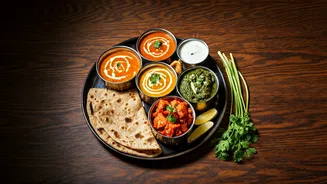
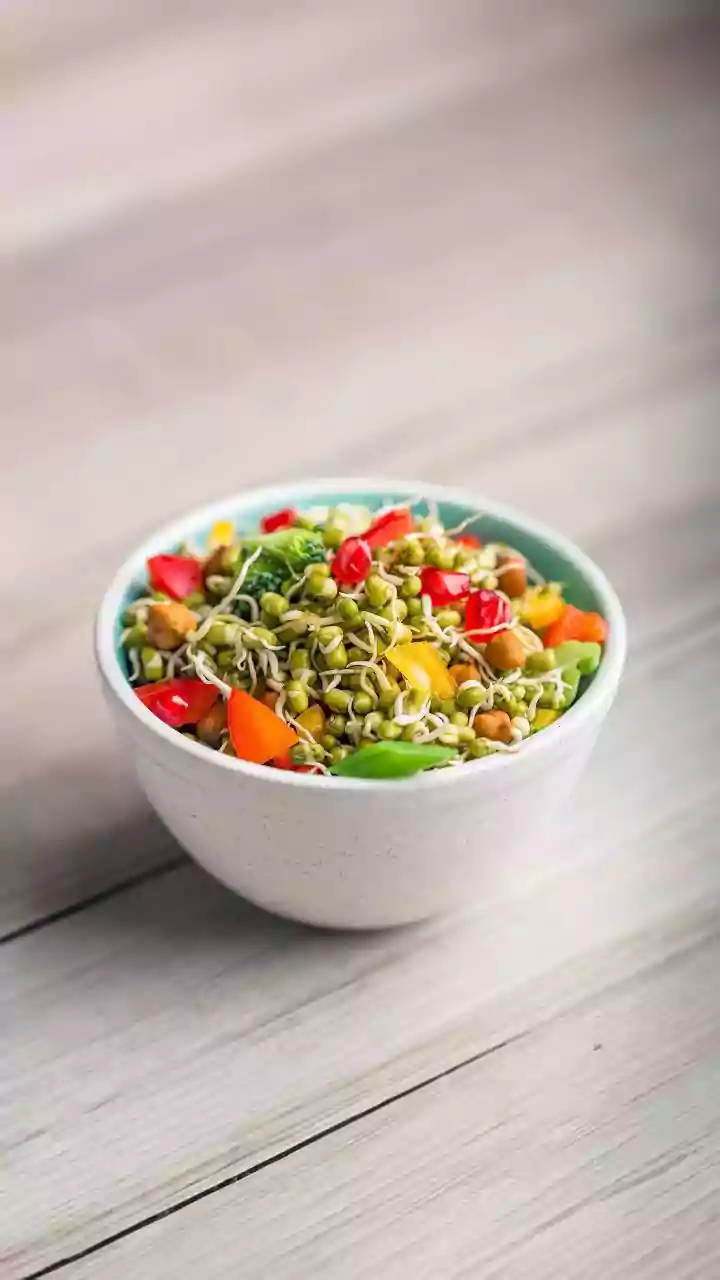
Many Punjabi dishes are packed with protein, a crucial nutrient for muscle repair, growth, and overall health. Dishes like dal makhani (black lentil and kidney bean curry) and chole (chickpea curry) provide substantial amounts of protein, as well as fiber. These foods also contribute to a feeling of fullness, which can help in managing weight. The combination of protein and fiber supports stable blood sugar levels, preventing energy crashes and promoting sustained energy levels. Badshah's diet could feature these protein-rich foods to meet his energy requirements and support his active lifestyle. However, it’s not solely about the presence of protein; it's also about its source. Nutritionists suggest including a variety of protein sources to get a range of amino acids and other nutrients. This ensures optimal health and wellness. The focus is on the quality of ingredients, preparation methods, and overall balance within the diet, which is more significant than simply emphasizing high-protein intake.
The Fiber Factor
Fiber, often found abundantly in Punjabi foods, is crucial for digestive health and overall well-being. Dishes made with whole grains, legumes, and vegetables, like roti (flatbread) and various vegetable curries, provide significant fiber content. Fiber aids digestion, prevents constipation, and can help manage cholesterol levels. Furthermore, fiber contributes to a feeling of fullness, which can help in weight management. Badshah's diet can utilize these fiber-rich options to support his digestive health and keep him satisfied. The type of fiber matters as well. Soluble fiber, found in foods like oats and beans, can help lower cholesterol levels. Insoluble fiber, present in wheat bran, adds bulk to the stool and prevents constipation. A diet rich in both types is essential for optimal health. The focus is on incorporating a wide range of fiber-rich foods into the diet, ensuring both digestive health and satiety, which is a key element of a successful and sustainable eating plan.
Moderation and Balance
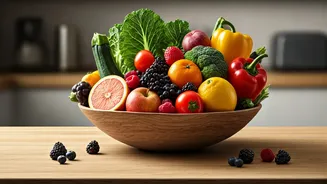
The key to a healthy diet, even when incorporating beloved Punjabi dishes, is moderation and balance. Nutritionists emphasize the importance of portion control when enjoying rich, flavorful foods. Balancing the consumption of calorie-dense dishes with healthier options, like salads and lean protein sources, is vital. Badshah’s diet likely involves carefully planned meals that accommodate his energy needs and lifestyle. It is crucial to consider the frequency of eating these dishes, the way they are prepared, and the overall nutritional balance of the diet. This involves making informed food choices that support health without completely restricting favorite foods. This strategy suggests that one can enjoy the cultural aspects of food while still maintaining a health-conscious lifestyle. It's not about strict rules, but rather about mindful choices and adapting the diet to support both enjoyment and well-being, ensuring a sustainable and pleasurable eating pattern.
Beyond the Plate
While diet is critical, overall health is multifaceted. Badshah likely complements his diet with regular physical activity and a balanced lifestyle. Exercise boosts metabolism, improves mood, and supports cardiovascular health. Adequate sleep, stress management, and hydration are also key components of a well-rounded approach to wellness. The dietary choices should integrate with the overall lifestyle for optimal results. Nutritionists suggest the importance of taking into account individual needs and preferences. Personalizing the diet plan based on factors like age, activity level, and health goals can lead to better outcomes and enhance enjoyment of food. It involves considering various elements of life, not just diet alone. The comprehensive approach promotes lasting health and well-being, encouraging a holistic view of food and lifestyle choices.