


Biscuits vs. Rusks
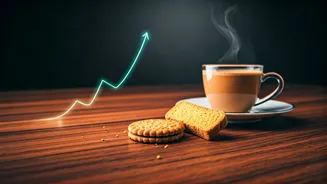
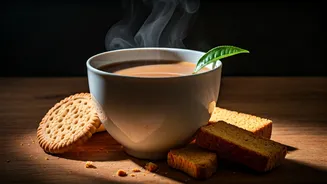
For many in India, tea is a cherished daily ritual, often accompanied by a crunchy bite. Biscuits and rusks are the default choices, but for individuals
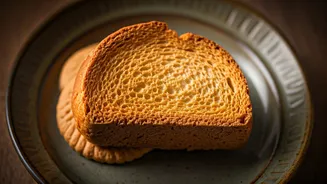
monitoring their glucose levels, these seemingly innocent treats can have a significant impact. An endocrinologist clarifies the difference between these popular snacks. While plain rusks might be marginally less detrimental due to being drier and often containing less fat than biscuits, the distinction is minimal. Both are primarily crafted from refined flour (maida) and possess the potential to rapidly elevate blood sugar. The key takeaway is that the quantity consumed—opting for a single small piece rather than a handful of several—makes a far greater difference than the choice between biscuits and rusks alone. This emphasizes mindful consumption over a minor ingredient variation.
The Refined Flour Problem
The primary culprit behind the blood sugar fluctuations triggered by commercial biscuits and rusks is their core ingredient: maida, or refined flour. This processed grain undergoes significant refinement, stripping away its natural fiber and nutrients. Consequently, the body digests refined flour exceptionally quickly. This rapid digestion process leads to an immediate and sharp surge in blood glucose levels. When sugar is further added to these products, the glucose spike becomes even more pronounced and abrupt. This quick rise is often followed by an equally rapid decline, which can trigger feelings of hunger and intense cravings shortly after consumption, creating a detrimental cycle of frequent snacking and unstable blood sugar management.
Hidden Fat Concerns
Beyond the refined flour and added sugars, the fats present in biscuits and rusks also pose a considerable health risk, extending beyond mere empty calories. Consistent consumption of these unhealthy fats can gradually exacerbate insulin resistance. This condition signifies that the body's cells become less responsive to insulin, the hormone responsible for regulating blood sugar. Over time, pronounced insulin resistance is a significant factor contributing to the development of Type 2 diabetes and other metabolic disorders. Even products marketed as healthier alternatives, such as 'digestive' or 'lite' biscuits, often still contain substantial amounts of refined flour and detrimental fats, underscoring the importance of scrutinizing ingredient lists.
Smarter Chai Companions
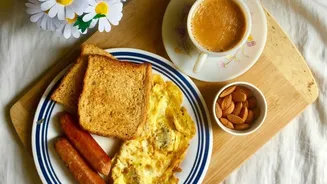
To enjoy your chai without compromising your health goals, consider swapping out traditional biscuits and rusks for snacks rich in protein, fiber, or healthy fats. Excellent alternatives include a small portion of roasted chana (chickpeas), a handful of unsalted peanuts, makhana (fox nuts), or even a slice of multigrain toast topped with peanut butter. A boiled egg is another superb option, providing valuable protein that promotes satiety and helps you feel fuller for longer. These nutrient-dense choices help slow down sugar absorption into the bloodstream, mitigating post-meal glucose spikes and preventing subsequent cravings. Furthermore, remember to moderate the sugar content in your tea itself, as even the healthiest snack cannot fully counteract excessive sweetness.