





Roasting: The Flavor Revolution
Transforming vegetables from mundane to magnificent is easily achieved through roasting. This high-heat cooking method caramelizes the natural sugars present
in produce, developing a complex sweetness and a delightful crispiness that boiled or steamed vegetables rarely attain. Unlike other methods that can sometimes lead to mushy textures or bland outcomes, roasting concentrates flavors and creates alluring golden-brown edges, making even the most reluctant eaters enthusiastic about their greens. It’s a fuss-free approach to cooking, requiring minimal active supervision once the ingredients are prepped and in the oven, delivering restaurant-quality results with remarkable ease. This technique breathes new life into familiar vegetables, making them craveable and utterly delicious.
Cauliflower's Nutty Transformation
Cauliflower undergoes a remarkable metamorphosis when roasted, evolving from its often-maligned boiled state into a textural and flavor marvel. Its florets acquire crispy, golden-brown edges and a tender interior, developing a subtly nutty and almost buttery taste that is utterly addictive. When preparing cauliflower for roasting, aim for medium-sized florets to ensure even cooking. For an Indian-inspired twist, toss the florets with a blend of turmeric, red chilli powder, and salt before roasting at approximately 220°C (425°F) for about 20-25 minutes. A final sprinkle of chaat masala after roasting introduces a vibrant, tangy zest, further enhancing its appeal.
Broccoli's Crispy Delight
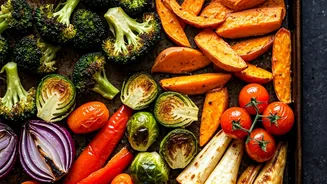
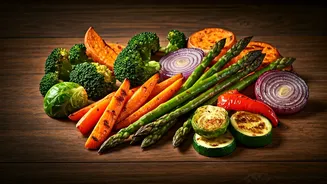
Roasting broccoli imbues it with a delightful crispiness, reminiscent of light fritters but without the greasiness of deep-frying. The florets achieve a satisfying char, while the stems soften and turn wonderfully sweet. To roast broccoli effectively, cut it into florets, ensuring a small portion of the stem remains attached, and crucially, avoid cutting the pieces too small to prevent burning. Roast at a high temperature of 220°C (425°F) for about 15-20 minutes. A simple yet effective finishing touch is a squeeze of fresh lemon juice over the hot vegetables; the acidity brightens all the flavors, adding a refreshing counterpoint to the roasted sweetness.
Sweet Potato's Sweetness Intensified
Sweet potatoes truly shine when roasted, as the high heat intensifies their natural sugars, leading to beautiful caramelization and wonderfully crisp edges. The interior transforms into a creamy, yielding texture that is incredibly satisfying. To prepare them, peel the sweet potatoes and cut them into approximately 2cm cubes; cutting them too small can result in them drying out during cooking. They require a slightly longer roasting time, around 30-35 minutes at 200°C (400°F). For a delightful Indian flavor profile, toss the cubes with cumin powder, coriander powder, and a touch of amchur (dried mango powder) for a perfectly sweet and tangy combination.
Carrots: Naturally Candy-Like
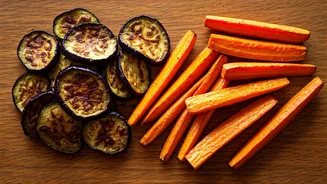
Roasting carrots transforms them into a naturally candy-like treat, their inherent sugars caramelizing beautifully to produce sweet, slightly charred edges that are exceptionally appealing. For optimal roasting, peel the carrots and cut them into thick batons or substantial rounds, ensuring they are chunky enough to avoid overcooking. Roasting at 200°C (400°F) for about 25-30 minutes yields the best results. A simple yet elegant way to serve them is by drizzling with a touch of honey and sprinkling with sesame seeds, creating a visually attractive and deliciously flavored side dish.
Bell Peppers' Smoky Sweetness
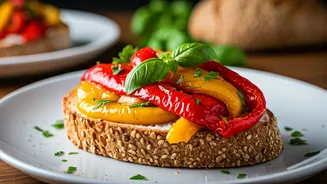
Bell peppers, particularly the red, yellow, and orange varieties, become wonderfully sweet and develop a subtle smoky essence when roasted. Their skins blister and char beautifully, adding to their appeal. When preparing them, cut the peppers into thick strips or substantial chunks. Roasting at 220°C (425°F) for 15-20 minutes is ideal. These roasted peppers are incredibly versatile; they can be tossed into pasta dishes, incorporated into sandwiches and wraps, mixed into rice preparations like pulao, or even blended into a creamy dip.
Zucchini's Golden Edges
Zucchini, when roasted, develops appealing golden edges while maintaining a tender interior. Its mild flavor readily absorbs any spices or herbs it's tossed with, making it a versatile addition to any meal. To achieve the best texture, cut the zucchini into thick rounds or half-moons; thinly sliced zucchini tends to become mushy. Roast at 220°C (425°F) for approximately 15-20 minutes. A key tip for zucchini is to give it ample space on the baking tray, as it releases a significant amount of water, which can otherwise lead to steaming rather than roasting.
Red Onions' Jammy Sweetness
Red onions undergo a remarkable transformation in the oven, losing their sharp bite to become incredibly sweet and jammy. This process concentrates their sugars, resulting in a deeply flavorful and pleasingly soft texture. To roast them effectively, cut them into thick wedges, ensuring the root end remains intact so the wedges hold together during cooking. Roast at 200°C (400°F) for 25-30 minutes. These sweet, softened onions are perfect for topping burgers, incorporating into salads, serving alongside grilled meats, or simply enjoying on their own.
Brussels Sprouts: Crispy & Nutty
Roasted Brussels sprouts are a revelation, offering delightfully crispy outer leaves and a tender, nutty-sweet interior that bears no resemblance to their often-disparaged boiled counterparts. To prepare them, trim the stem ends and cut them in half, discarding any yellowed outer leaves. Roast at 220°C (425°F) for 20-25 minutes. For an extra layer of complexity and a tangy finish, a drizzle of balsamic vinegar added during the final five minutes of roasting works wonders.
Mastering the Roast: Techniques
Achieving perfect roasted vegetables hinges on a few key techniques. Begin by preheating your oven to a high temperature, ideally between 200-220°C (400-425°F), as this is crucial for caramelization and crisping. Ensure all vegetable pieces are cut to a similar size to promote even cooking. Avoid overcrowding the baking tray; vegetables need space to roast, not steam, so use multiple trays if necessary. Be generous with the oil, ensuring vegetables are lightly coated to aid browning and prevent sticking. Flipping the vegetables halfway through the roasting process ensures uniform browning on all sides. For more delicate ingredients like tomatoes or mushrooms, add them in the last 10 minutes. Don't shy away from browning; those dark, caramelized edges are packed with flavor.