






Dress for Efficiency
When navigating the world's busiest airport, starting with security readiness is paramount. Opt for footwear that can be slipped on and off effortlessly,
like shoes with a spring-back heel, to expedite the process. Prioritize easy-to-remove layers and avoid excessive metal accessories or cumbersome belts. This simple adjustment significantly reduces time spent at the screening point, allowing for a smoother passage through the scanners and preventing unnecessary delays that can extend wait times to an hour or more during peak periods.
Embrace the Crossbody
A common pitfall at busy security checkpoints is fumbling with items pulled from pockets, which can create significant bottlenecks. To circumvent this, a crossbody bag is an invaluable tool. It keeps your essentials like your ID, passport, and boarding pass readily accessible, freeing your hands to manage other belongings. Furthermore, selecting a bag with RFID protection adds an extra layer of security, safeguarding your personal information, and zippered compartments ensure that nothing accidentally spills into the security bins.
Centralize Travel Documents
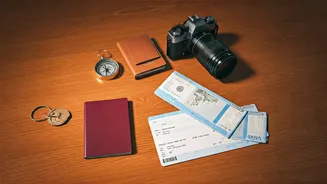
Maintaining a dedicated location for all your critical travel documents—your ID, passport, and boarding pass—is as crucial at the gate as it is at security. Constantly searching for these items amidst a moving queue or when your boarding group is called can lead to significant stress and delay. Utilizing a compact organizer with designated slots for cards, tickets, and identification ensures everything is neatly housed and easily retrievable, streamlining your passage through various checkpoints and eliminating the frantic search for essential papers.
Always Carry Power
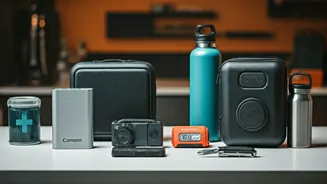
Public USB charging stations in airports can be unreliable and pose a security risk, with the TSA even warning about 'juice jacking'—malicious software that can steal personal data. To ensure your devices remain powered throughout your journey, especially when waiting at a crowded gate or navigating terminal areas with spotty Wi-Fi, a portable power bank is essential. Opting for one with built-in cables can further simplify your packing, reducing the number of accessories you need to manage and ensuring you can charge your phone without the hassle of tangled cords.
Strategic Carry-On Design
When selecting carry-on luggage, whether it's a backpack or a rolling suitcase, prioritize designs featuring easily accessible compartments. This is vital for quickly retrieving items like laptops, tablets, and toiletry kits when required for security screening, particularly in high-traffic environments where bins can quickly pile up. Luggage with dedicated sleeves and pockets for electronic devices, chargers, and other essentials helps maintain organization and ensures these items are readily available, making the security process significantly more efficient.
Invest in Trackers
With millions of passengers passing through major airports, the risk of luggage misplacement increases. An indispensable item to mitigate this concern is a luggage tracker. Placing these small devices in both checked bags and carry-ons provides peace of mind, allowing you to monitor your belongings' location from the moment they leave your possession until they reach baggage claim. This technology is particularly crucial in busy hubs where the sheer volume of bags moving through the system makes lost luggage a more significant possibility.
Employ Packing Cubes
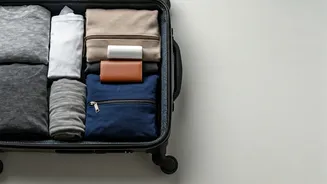
The way you pack your carry-on can directly impact your experience at security. Disorganized or densely packed items may appear unclear on X-ray scanners, potentially leading to secondary screenings and delays. Utilizing packing cubes helps maintain order, clearly separating different categories of items such as clothing, electronics, and toiletries. This visual organization on the scanner screen ensures that each item is easily identifiable, streamlining the screening process and preventing unnecessary interruptions.
Light Layer for Comfort
Airport terminal temperatures can vary dramatically due to factors like climate control, passenger density, and ongoing construction. To adapt to these fluctuating conditions, it's advisable to wear or pack a lightweight, easily removable layer. An open-front cardigan or a packable jacket that can be quickly put on or taken off is ideal. This ensures comfort whether you're moving through security, enduring a warm Plane Train ride, or boarding an aircraft before the air conditioning system fully engages.
Weigh Luggage Early
Long check-in lines can be just as time-consuming as security queues, potentially leading to missed flights, especially during peak travel periods. To avoid this bottleneck, it's essential to know your luggage weight before arriving at the airport. Using a portable luggage scale allows you to adjust the contents if necessary, ensuring you meet weight restrictions and can proceed smoothly through check-in, whether at a kiosk or with an agent, without the surprise of exceeding limits and incurring extra fees.
Accessible Toiletry Bag
To bypass secondary screening for liquids, it's crucial to have your TSA-approved toiletry bag readily accessible. Pack all liquids, gels, and aerosols in a clear, removable pouch and place it at the very top of your carry-on. This strategy allows you to quickly extract the bag for inspection without having to rummage through your luggage, significantly expediting the security process and ensuring compliance with the 3-1-1 liquid rule.
Prepare for Delays
Even airports with low delay rates can experience unexpected disruptions due to weather or operational issues. To maintain comfort during unforeseen waits, pack a small comfort kit within your personal item. This kit should include essentials like an eye mask, earplugs, sanitizing wipes, medication, and toiletries. Having these items easily accessible ensures you can make yourself as comfortable as possible while waiting out any delays, turning potential frustration into a manageable situation.
Carry an Empty Bottle
A common airport frustration is having to discard a full bottle of water before passing through security. To avoid this and save money, bring an empty, reusable water bottle in your carry-on. Many airports, including Atlanta, are equipped with numerous water-filling stations strategically located throughout the terminals, often just past security checkpoints. This allows you to refill your bottle for free immediately after clearing security, ensuring you stay hydrated without the expense of purchasing bottled water.