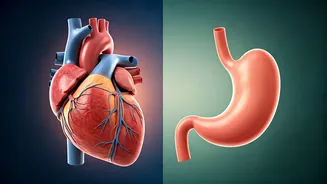






Gas Pain vs. Heart Discomfort
When you experience chest pain, it's natural to feel anxious, but not all discomfort signals a cardiac emergency. Digestive issues like gas or acidity
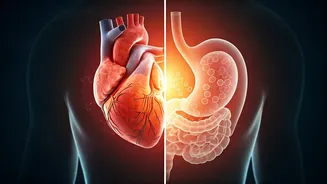
can mimic heart-related symptoms, making differentiation challenging. Gas pain often manifests as a sharp, burning sensation, which may subside after burping, passing gas, or simply moving around. It frequently occurs post-meal. In contrast, heart pain typically presents as a feeling of pressure or tightness in the chest. This discomfort might radiate to the arm, jaw, or back and is often persistent. Additional signs of cardiac distress can include breaking out in a sweat, feeling breathless, or experiencing nausea. Understanding these distinct characteristics is the first step in assessing your chest pain.
Recognizing Cardiac Red Flags
Certain symptoms serve as critical indicators that your chest pain is indeed heart-related and demands urgent medical evaluation. Key warning signs include a pronounced squeezing or heavy sensation in your chest, pain that extends to your arm, jaw, neck, or back, and unexplained shortness of breath. You might also notice sudden sweating, dizziness, or feelings of nausea. These symptoms, particularly if they persist for more than a few minutes, could be indicative of a cardiac event. Furthermore, if the pain is triggered by physical activity or stress and eases with rest, it warrants serious consideration as a potential heart issue.
When Digestive Issues Deceive
The similarity between symptoms of digestive upset and heart problems can be quite confusing, leading many to misinterpret their discomfort. It's confirmed that conditions like acidity and gas can indeed produce chest discomfort, burning sensations, and pain that travels upwards towards the throat. This overlap can cause significant confusion, especially for individuals with pre-existing digestive ailments. It is ill-advised to assume that any chest pain is merely gas. If your symptoms are severe or do not resolve quickly, it is far safer to seek medical advice to rule out any underlying heart conditions.
Urgent Medical Assistance Guide
Knowing precisely when to seek immediate medical help can be a life-saving decision, particularly when symptoms suggest a potential heart attack. You should seek emergency assistance without delay if your chest pain is severe, lasts longer than a few minutes, or is accompanied by shortness of breath. Other critical signs include profuse sweating, fainting, nausea, or pain radiating to your arm or jaw. It's crucial not to disregard unusual chest pain, especially if you are older or have pre-existing health conditions like diabetes or high blood pressure. Ultimately, while chest pain can sometimes be benign, it should never be ignored or self-diagnosed. When in doubt, professional medical evaluation is always the wisest course of action.