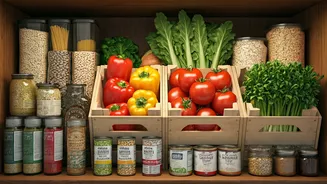








Plan & Execute
Transform your grocery routine by embracing thoughtful planning. Before you even step foot in the store, dedicate time to crafting a weekly meal plan.
This crucial step not only helps curb impulse purchases, which can quickly inflate your bill, but also significantly minimizes food waste, as you'll be buying only what you need. Research indicates that families who actively meal plan can save an impressive average of $1,600 annually. Before finalizing your shopping list, take a thorough inventory of your pantry, refrigerator, and freezer. You might be surprised to find ingredients that can form the basis of several meals, effectively turning forgotten items into your cheapest options. This practice combats the estimated 30–40% of food that American households unfortunately waste each year because items get overlooked. Once your list is set, commit to sticking to it. Those small, seemingly insignificant additions, like an extra bag of snacks, can accumulate rapidly, so discipline is key to maintaining your budget.
Bulk Buying Wisdom
Unlock substantial savings by strategically purchasing items in larger quantities, whenever feasible. Buying staples like dry beans or rice in bulk can yield significant per-ounce cost reductions compared to smaller packaging; for instance, dry beans can be 3-5 times cheaper per ounce than canned versions, and a large bag of rice offers substantial savings over smaller ones. However, it's important to acknowledge that not everyone has the luxury of large upfront purchases, especially those relying on programs like SNAP or managing week-to-week income. In such cases, focus on 'mini bulk' opportunities, such as opting for a family-size bag of oats instead of single-serving packets, or purchasing larger bags of frozen vegetables that can be portioned out across multiple meals. Freezers are invaluable allies in the battle against waste; by freezing items like bread, shredded cheese, or even produce, you extend their shelf life, preventing spoilage and ensuring you get the most value from your purchases. Regularly purging your fridge and freezer, perhaps once or twice a month, will help you utilize these frozen assets before they are forgotten.
Leftover Leverage
Maximize your culinary investments by ingeniously utilizing leftovers, a practice that embodies the principle of 'cook once, eat twice' or even 'thrice.' A large batch of chili can be repurposed into flavorful tacos the next evening, and the remaining taco fixings can then transform into a vibrant taco salad. Similarly, a roasted chicken can yield a chicken skillet dish, followed by chicken salad. By planning meals around a core ingredient, you can derive multiple distinct dishes from a single preparation. This approach is particularly effective when you can extend a meal by incorporating more economical filler ingredients, such as potatoes, oats, rice, or beans, which can significantly increase the volume and satiety of a dish, especially for households with hearty appetites. Furthermore, portioning out leftovers into individual containers for snacks or lunches not only prevents them from being overlooked and wasted but also makes healthy, pre-prepared options readily available, saving you money on convenience foods.
Preserve & Protect
Strategic preservation is a cornerstone of smart grocery management, especially when it comes to meat and dairy. Actively seek out 'manager's specials' or markdown meats, which often offer substantial discounts. Freeze these items promptly and properly, ensuring you portion them into meal-sized servings before freezing. This allows you to thaw only what you need, preventing waste and ensuring you can utilize these discounted proteins over time, transforming a single discounted package into multiple future meals. The principle of freezing extends beyond meat; dairy products like milk and even bread can be successfully frozen to extend their usability. Don't discard produce that is nearing its prime; many fruits and vegetables can be frozen whole or prepped, retaining their nutritional value and preventing them from ending up in the bin. This proactive approach to preservation is essential for maximizing the value of every grocery dollar spent.
Strategic Shopping Habits
Elevate your grocery game by adopting smarter purchasing habits, including embracing store brands and leveraging loyalty programs. Frozen produce often presents a more economical choice compared to its fresh counterpart, and studies confirm it retains comparable or even superior nutrient levels. The freezer acts as a natural pause button for food, preserving freshness and preventing spoilage. When you encounter an abundance of fresh items, consider freezing them to avoid waste. Store brands typically offer significant savings, often with minimal difference in quality or ingredients compared to name brands, as they adhere to the same safety and quality standards mandated by regulatory bodies. Furthermore, actively participate in store loyalty programs and utilize digital coupons. Even modest savings of $5 to $10 per shopping trip can accumulate to hundreds of dollars in annual savings, making these programs a vital tool for budget-conscious shoppers.
Efficiency & Awareness
Streamline your shopping process and sharpen your awareness of pricing to combat unnecessary spending. Minimizing your trips to the grocery store is a powerful way to reduce temptation; extra visits have been linked to a significant increase in unplanned purchases. Organize your shopping list logically, perhaps by store layout, to navigate efficiently and avoid lingering in aisles where impulse buys are prevalent. This organization not only saves time but also significantly cuts down on opportunities for spontaneous purchases. Crucially, develop an understanding of actual prices for staple items. This knowledge empowers you to distinguish genuine sales from 'fake sales'—promotional tactics designed to create the illusion of savings without offering true value. Be wary of 'buy more, save more' offers that might result in a higher overall cost, 'shrinkflation' where package sizes decrease while prices remain static, or prominent 'SALE' tags on items that are not actually discounted. Cultivating price awareness ensures you're making informed decisions and not falling prey to marketing strategies.
Digital Tools & Community
Leverage modern technology and community insights to enhance your budget grocery shopping. Digital coupons and store apps offer a convenient and often overlooked avenue for savings, easily reducing your bill by $5-$10 per trip, especially beneficial for those using grocery delivery or pickup services. Beyond official channels, tap into the wealth of knowledge shared within online communities. Platforms like TikTok, Reddit, and Facebook host numerous groups dedicated to sharing real-life budget hacks, from innovative meal planning strategies to tips for finding discounted items. These forums are invaluable for discovering practical, tested methods that can make a significant difference in your household budget. Engaging with these communities fosters a sense of shared learning and collective problem-solving, providing a constant stream of fresh ideas and support for your cost-saving endeavors.