





Understanding Thyroid Function
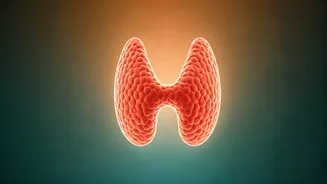
Hypothyroidism is a condition characterized by the thyroid gland's insufficient production of vital thyroid hormones. These hormones play a critical role
in regulating metabolism, energy levels, body temperature, and heart rate. When these hormones are not produced in adequate amounts, even minor imbalances can lead to a cascade of health issues. Millions worldwide are affected by this condition, but it disproportionately impacts women, who are estimated to be five times more likely to develop hypothyroidism compared to men. This heightened vulnerability in women is often linked to hormonal fluctuations experienced during key life stages.
Women's Unique Risks
Several factors contribute to the increased susceptibility of women to hypothyroidism. Autoimmune thyroid conditions, most notably Hashimoto’s thyroiditis, are primary culprits behind the rising incidence of hypothyroidism, especially in women. Furthermore, significant hormonal shifts occurring during pregnancy, the postpartum period, and menopause place considerable stress on the thyroid gland. Endocrinologists emphasize that recognizing and addressing these changes promptly is paramount for maintaining thyroid health. The demands of modern living, including chronic stress, disrupted sleep patterns, and diets high in processed foods, can also disrupt thyroid balance, exacerbating the problem.
Recognizing Subtle Symptoms
The symptoms of hypothyroidism can often be subtle and easily dismissed as everyday fatigue or the consequences of life's stressors. This can be particularly true for women who often juggle multiple responsibilities, leading them to overlook crucial warning signs. The body's deficiency in essential nutrients required for thyroid hormone regulation can worsen the condition, making it more prevalent and severe. The interplay of lifestyle factors such as high stress, poor sleep, and a diet dominated by processed foods can significantly contribute to thyroid imbalances, underscoring the need for awareness and proactive management.
Proactive Screening and Vigilance
Screening plays a pivotal role in the prevention and early detection of hypothyroidism. Endocrinologists recommend that women over the age of 35, pregnant women, and those with a family history of thyroid issues undergo regular screening. This typically involves a simple blood test to measure thyroid-stimulating hormone (TSH) and thyroid hormone levels. Early identification through screening allows for timely intervention and treatment, significantly improving outcomes. Maintaining constant vigilance for symptoms like persistent fatigue and mood swings is crucial, and seeking consultation with a healthcare professional is advised when these manifest.
Holistic Prevention Strategies
Beyond prescribed medications, a holistic approach is essential for supporting thyroid function. A healthy diet rich in iodine, selenium, and iron is fundamental. Incorporating regular exercise, prioritizing adequate sleep, and effectively managing stress are equally important pillars of thyroid health maintenance. For women who are pregnant or planning to conceive, pre-pregnancy screening for thyroid disorders and supplementing as recommended by a doctor can prevent complications for both mother and child. Addressing hypothyroidism in its early stages can drastically enhance the quality of life for women, restoring necessary energy and metabolic functions for a vibrant, healthy existence.