





Understanding Aurora Drivers
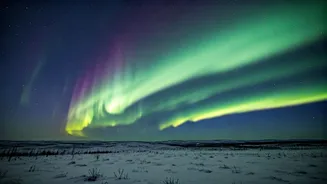
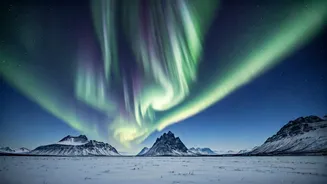
The mesmerizing spectacle of the aurora borealis and australis is a direct result of our Sun's dynamic activity. Charged particles, primarily electrons
and protons, are ejected from the Sun in streams known as the solar wind. When these particles encounter Earth's magnetic field, they are guided towards the polar regions. The interaction of these energetic particles with atmospheric gases, such as oxygen and nitrogen, at high altitudes causes them to emit light, creating the vibrant colors we associate with auroras. The intensity and frequency of auroral displays are closely linked to the Sun's cycle, with periods of heightened solar activity leading to more spectacular and widespread auroras. Factors like coronal mass ejections (CMEs) and high-speed solar wind streams can significantly influence the likelihood and brilliance of auroral events, often triggering geomagnetic storms that enhance visibility.
Forecasting Aurora Visibility
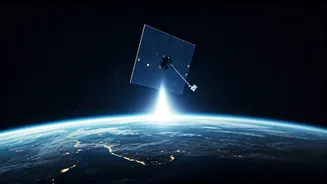
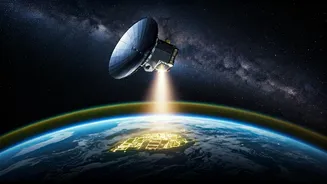
Predicting aurora visibility involves monitoring various solar and geomagnetic conditions. Scientists use data from space-based observatories, such as the Solar Dynamics Observatory and the DSCOVR satellite, to track solar wind speed, density, and the interplanetary magnetic field. When a coronal mass ejection (CME) is detected and appears to be directed towards Earth, it can trigger significant geomagnetic storms, greatly increasing the chances of aurora sightings. Similarly, high-speed solar wind streams originating from coronal holes can also lead to enhanced auroral activity. Aurora forecasts often refer to the Kp-index, a measure of geomagnetic activity, with higher Kp values indicating a greater likelihood of auroras being visible at lower latitudes. While high latitudes typically offer the best viewing opportunities, strong geomagnetic storms can push auroral displays much further south, sometimes even reaching equatorial regions, offering rare chances for many to witness this natural phenomenon.
Recent Aurora Events & Trends
Recent aurora forecasts have frequently highlighted periods of heightened geomagnetic activity, driven by incoming coronal mass ejections (CMEs) and persistent high-speed solar wind streams. Many updates noted auroras being confined to high latitudes, indicating that while solar activity was present, it wasn't always strong enough to extend displays to lower regions. However, there were also instances where CMEs were expected to cause stronger geomagnetic storms, potentially making auroras visible further south, with some reports suggesting visibility as far south as Illinois and Oregon in the US. Several forecasts anticipated active conditions continuing over weekends, encouraging skywatchers to remain vigilant. Occasional mentions of quiet periods or waning activity also occur, demonstrating the fluctuating nature of space weather and the importance of consistent monitoring for aurora enthusiasts eager to witness these celestial events.
When to Look Up
The best times to witness the aurora are typically during periods of enhanced solar activity, such as when CMEs are predicted to impact Earth or when high-speed solar wind streams are directed our way. While auroras are often most visible at high latitudes, strong geomagnetic storms can push these light shows equatorward, offering opportunities for observers in mid-latitudes to see them. Clear, dark skies, away from light pollution, are essential for optimal viewing. Many aurora forecasts provide specific predictions for the current night and the upcoming weekend, advising observers on the likelihood of aurora sightings. Staying informed about space weather alerts and aurora forecasts can significantly increase your chances of experiencing this breathtaking natural phenomenon. The timing of solar events, combined with local weather conditions, ultimately determines when and where the auroras will be most spectacular.