



The Rice Foundation
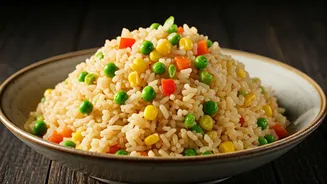
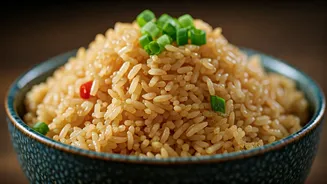
The absolute cornerstone of flawless fried rice is the type of rice you choose. Freshly cooked rice, still warm and moist, is the primary culprit behind
a mushy outcome. This is because the inherent moisture in freshly prepared grains causes them to cling together when subjected to the heat of a wok or pan. The steam trapped within these grains further softens them, leading to a sticky, clumped mass rather than individual, fluffy kernels. To circumvent this, always opt for day-old, refrigerated rice. The chilling process helps to dry out the grains and firm them up, making them ideal for stir-frying. If fresh rice is your only option, spread it out on a tray and allow it to cool completely. For even better results, refrigerate it for at least an hour or two before you begin cooking. This simple step makes a monumental difference in texture, ensuring each grain remains distinct and separate.
Cooking And Cooling
Beyond the age of the rice, how you initially cook it plays a crucial role. Overcooking the rice from the outset guarantees a soft base that will only disintegrate further during the stir-frying process. When rice is too tender initially, the grains are more prone to breaking apart as you stir, resulting in a pasty, sticky consistency. The ideal approach is to cook your rice until it's just done, avoiding any hint of mushiness. Consider using slightly less water than you normally would for cooking rice to achieve a firmer texture. After cooking, it's imperative to let the rice cool completely. This process allows the moisture to dissipate and the grains to firm up. Properly cooled rice is the key to preventing it from becoming a sticky mess when it hits the hot pan, thereby preserving its structural integrity and ensuring a satisfying, individual grain texture.
Sauce Savvy
The allure of deep flavor can lead to a common pitfall: overdoing the sauces. While soy sauce and other flavorings are essential to fried rice, an excessive amount of liquid will invariably lead to sogginess and a loss of that desirable, slightly dry restaurant finish. When too much sauce is introduced, it steams the rice rather than frying it, causing it to clump into sticky masses. The trick to achieving a perfect balance is moderation. Add your sauces sparingly, in small increments, ensuring they are well distributed throughout the rice. Allow any excess moisture to evaporate by maintaining high heat. This technique ensures that the flavors meld beautifully without compromising the integrity of the individual grains, leading to a delightful texture that complements the rich taste.
Pan Mastery
The size and use of your pan are critical factors in achieving ideal fried rice. Attempting to cook a large quantity of fried rice in a pan that's too small leads to overcrowding, which prevents proper frying. Instead of sautéing, the ingredients begin to steam, trapping moisture and resulting in that undesirable soft, clumpy texture. To avoid this, always use a wide pan or a wok, which offers ample surface area for heat distribution. If you're cooking for a crowd, don't hesitate to prepare your fried rice in batches. This ensures that each portion gets adequate exposure to the heat, allowing moisture to escape quickly. Maintaining high heat throughout the cooking process is paramount for achieving a quick sauté and preventing the rice from becoming soggy.
Gentle Technique
The way you agitate the ingredients in the pan significantly impacts the final texture of your fried rice. Vigorous stirring or aggressive mixing can easily break apart the delicate rice grains, leading to a mushy consistency and diminishing the dish's visual appeal. The goal is to toss and combine, not to mash or pulverize. Employ a gentle, folding motion, using a flat spatula to carefully lift and mix the ingredients. This method ensures that everything is evenly heated and coated with sauce without damaging the structure of the rice. By adopting a more delicate approach to stirring, you preserve the integrity of each grain, contributing to a beautifully textured and visually appealing final product that is a joy to eat.
Heat and Speed
The temperature at which you cook your fried rice is non-negotiable for achieving the right texture. Cooking on low heat fosters a steaming environment rather than a proper frying action. This lack of intense heat prevents moisture from evaporating efficiently, causing the rice to absorb excess liquid and become soft. Furthermore, low heat deprives the dish of that characteristic slightly smoky flavor often associated with well-executed fried rice. To achieve that perfect sear and rapid cooking, always employ medium-high to high heat. Prepare all your ingredients and have them ready before you begin. This allows you to add ingredients quickly and toss them rapidly, ensuring a swift cooking process that results in distinct, lightly fried grains and that desirable wok hei aroma.