




The Culinary Heritage
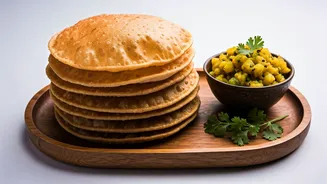
Aloo Masala Poori is not just a dish; it's a symbol of Indian culinary tradition. It's a beloved breakfast and snack enjoyed across the country. The poori,
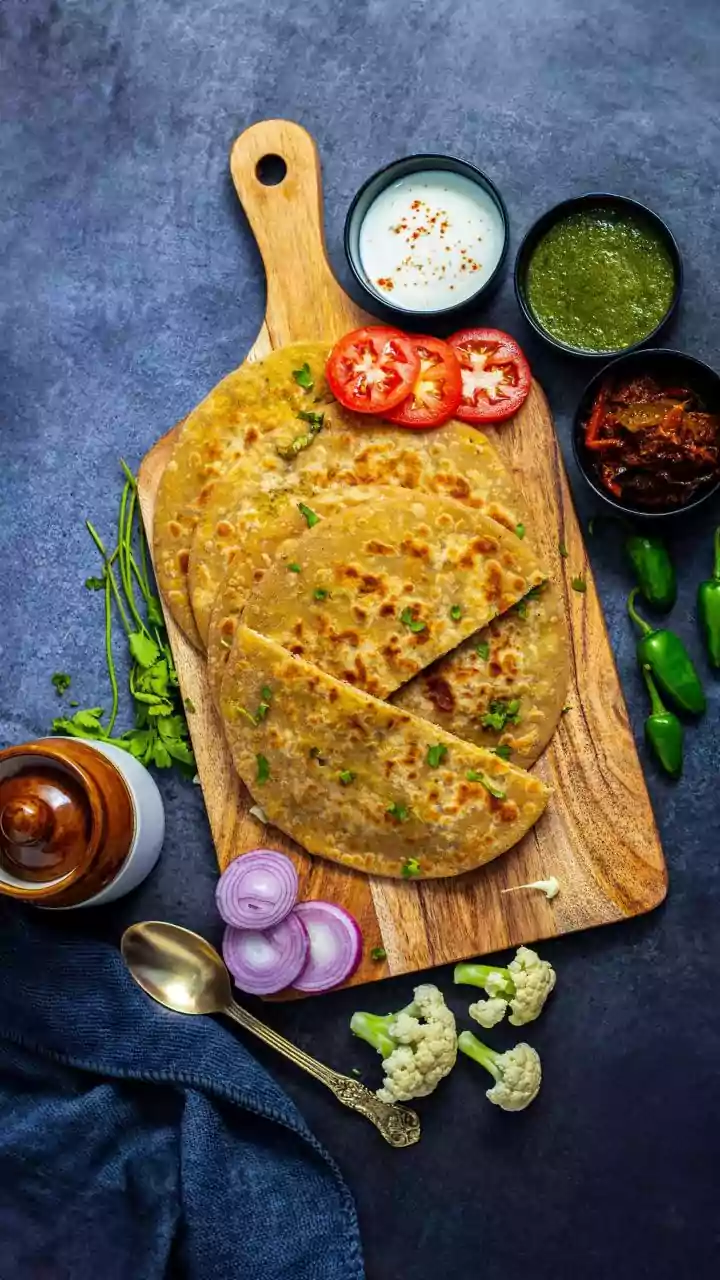
a deep-fried, unleavened bread, provides the perfect crispy contrast to the spicy and flavorful potato masala filling. It is often served with a variety of accompaniments such as curd, chutney, and pickles. This combination provides a complete meal, balancing textures and tastes that delight the senses. The preparation process itself is an experience, with the aroma of spices and the satisfying sizzle of the pooris creating an enticing atmosphere in the kitchen. From street food stalls to homes, Aloo Masala Poori is a staple, representing the simplicity and richness of Indian cuisine. This traditional meal offers a comforting and flavorful experience, providing nourishment and a taste of culture in every bite. The popularity of this dish extends beyond India, as it is widely enjoyed in Indian communities around the world, carrying with it the flavors of home.
Key Ingredients Unveiled
The foundation of Aloo Masala Poori lies in its key ingredients, each playing a vital role in creating its unique taste and texture. For the potato masala, you'll need potatoes, of course! The potatoes are cooked and then mashed, forming the heart of the filling. Onions, finely chopped, add a crucial layer of flavor. Tomatoes, ginger-garlic paste, and green chilies provide the necessary base. A blend of aromatic spices—turmeric, coriander powder, red chili powder, and garam masala—infuses the masala with its distinctive taste. The pooris demand simple ingredients: whole wheat flour (atta), water, and salt. Sometimes, a little semolina (suji) is added for extra crispiness. The quality of the ingredients directly impacts the final result. Fresh, high-quality potatoes and aromatic spices elevate the masala. Similarly, the freshness of the flour and careful dough preparation are crucial for the perfect poori. Understanding the roles of each ingredient helps the cook achieve the perfect balance of flavors and textures that make this dish so special.
Crafting the Masala
The creation of the potato masala filling is an art, balancing spices to reach the perfect flavor. Begin by boiling and mashing the potatoes to achieve a smooth consistency, creating the base. Heat oil in a pan and sauté onions until they become translucent and lightly golden. Add the ginger-garlic paste and green chilies, then stir until the raw aroma is gone. Introduce the chopped tomatoes and cook until they soften. Next, add the dry spices – turmeric, coriander powder, red chili powder, and garam masala. Sauté the spices for a brief moment, allowing them to release their fragrance. Incorporate the mashed potatoes, ensuring that they are well combined with the spices. Cook this mixture, stirring occasionally, so the flavors meld together and the masala thickens. A final touch of fresh coriander leaves and a squeeze of lemon juice adds a burst of freshness and balances the spices. The ability to adjust the spice levels based on your preference is what makes this recipe so personal. The resulting masala should be a flavorful blend of textures and spices that will elevate the experience.
Perfecting the Poori Dough
The perfect poori dough is essential for making light and fluffy pooris. Combine whole wheat flour, salt, and optional semolina in a large bowl. Slowly add water, mixing with your hands until a firm yet pliable dough forms. The dough should be neither too dry nor too sticky; the right consistency is key. Knead the dough for several minutes, encouraging the gluten to develop, which helps the pooris puff up during frying. Once you are done kneading, the dough should be smooth and elastic. Cover the dough and let it rest for about 20-30 minutes. Resting time allows the gluten to relax, making the pooris easier to roll out. Divide the dough into small, equal-sized balls, ensuring that each poori has a consistent thickness. Roll each ball into a circle, using a rolling pin and some dry flour to prevent sticking. Roll them to a consistent thickness, which will help them puff up evenly. This step is crucial to achieving those perfectly puffed-up pooris. The dough is the canvas for the poori masterpiece, its preparation determining the final outcome.
Frying the Pooris
Frying the pooris to perfection requires the right temperature and technique. Heat oil in a deep frying pan over medium-high heat; test the oil by dropping a small piece of dough into it. The dough should rise to the surface quickly and brown in a few seconds, indicating that the oil is at the correct temperature. Gently slide the rolled-out poori into the hot oil. As the poori hits the oil, it should start to puff up almost immediately. Use a slotted spoon to gently press down on the poori, encouraging it to puff up evenly. Turn the poori after a few seconds, allowing it to cook on both sides until golden brown. Remove the puffed-up poori and place it on a plate lined with paper towels to drain the excess oil. Repeat this process for each poori, maintaining the oil temperature and preventing overcrowding the pan. The key to great pooris is the right temperature of the oil and not overcrowding the pan. Each poori should have enough room to puff up without interference, and the ideal oil temperature is essential for that crisp, golden finish.
Serving and Enjoying
Serving Aloo Masala Poori is all about presentation and the experience. Serve the hot, puffed-up pooris immediately with the warm potato masala. A side of fresh curd or yogurt adds a cooling contrast to the spicy masala. Pickles and chutneys provide additional flavors and textures to enhance the meal. Garnish the potato masala with fresh coriander leaves for a pop of color and freshness. The visual appeal of the dish enhances the overall experience. The golden pooris, colorful masala, and vibrant garnishes stimulate the appetite. The aroma of the spices and the textures of the dish make it a culinary delight. Aloo Masala Poori is best eaten immediately, when the pooris are at their crispiest. Enjoying it with family and friends makes it a wonderful social occasion. Serve it for breakfast, brunch, or even a light dinner. This dish brings people together.