







Cough: A Body's Signal
Coughing is a fundamental bodily reflex, a crucial mechanism designed to clear irritants and blockages from your respiratory passages. Whether it's dust
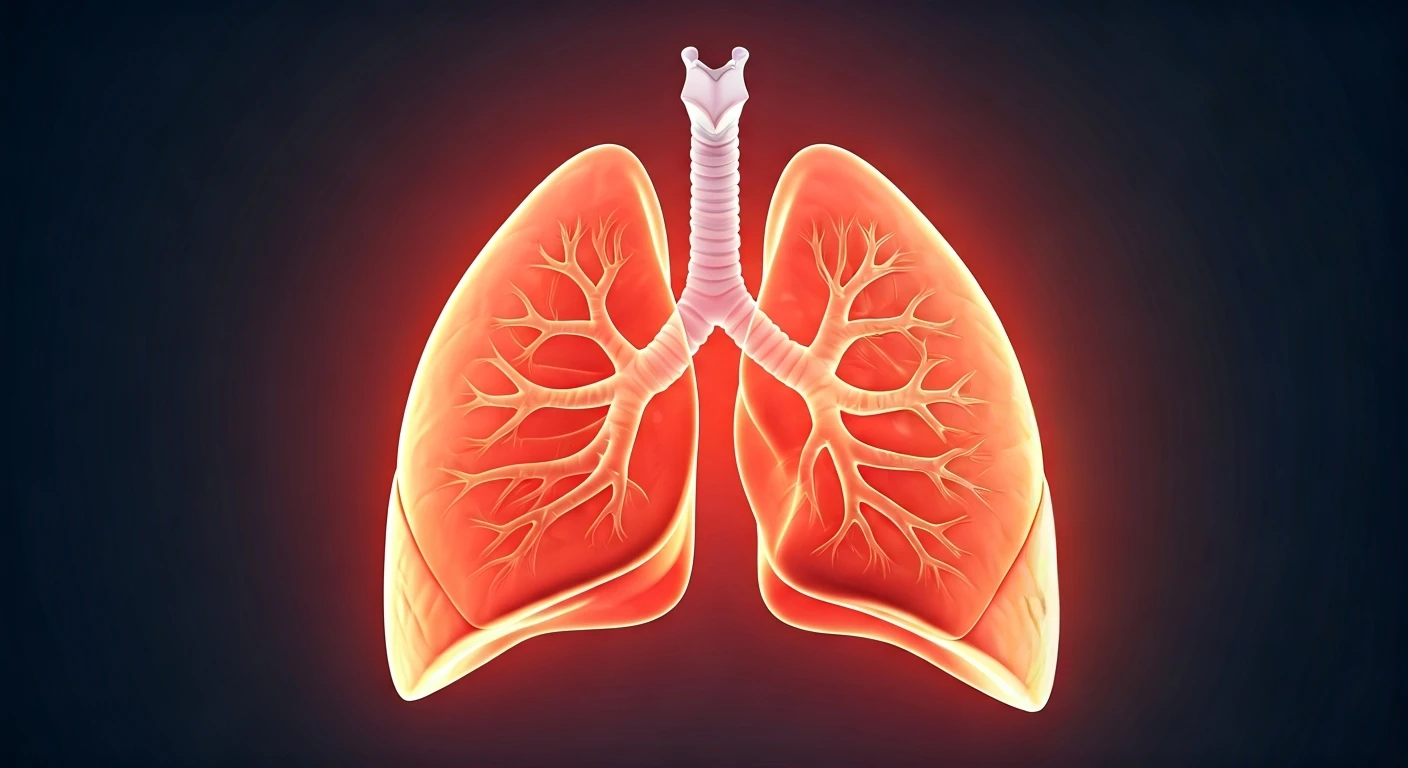
particles, accumulated mucus, smoke inhalation, or the presence of an infection, anything that stimulates your throat or lungs can initiate this protective action. For the most part, these coughing fits are benign and short-lived, typically accompanying minor ailments like the common cold or a fleeting infection, resolving on their own within a few days. Dr. Vikas Maurya emphasizes that a cough is a globally prevalent symptom, often secondary to nasal symptoms, serving as a vital reflex for expelling mucus, foreign objects, or infected sputum from the airways. While this reflex is essential for maintaining clear breathing passages, the underlying reasons for a cough can be surprisingly diverse, ranging from everyday triggers such as allergies, the flu, or bronchitis, to more complex chronic conditions like asthma, Chronic Obstructive Pulmonary Disease (COPD), and even gastroesophageal reflux disease (GERD).
The Persistent Problem
Many individuals tend to overlook or downplay a cough, often attributing it to seasonal changes or a temporary ailment that will naturally subside. While this assumption is frequently correct, it's not universally true. Dr. Ravi Shekhar Jha highlights that a cough is a commonly ignored symptom, frequently misdiagnosed as a minor infection or seasonal issue. However, a cough that lingers for more than two to three weeks, especially in adults, should never be taken lightly as it could signal a more significant health concern. The duration of a cough is a critical determinant; acute coughs typically resolve within three weeks, but those extending beyond this period or recurring frequently warrant thorough medical investigation. Furthermore, certain overt symptoms should prompt immediate medical consultation. These include expelling blood (hemoptysis), experiencing unexplained weight loss, persistent fevers, significant breathlessness, chest discomfort, or noticing a marked alteration in the cough's characteristics, particularly for individuals who smoke.
Subtle Signs to Heed
It's important to recognize that not all serious coughs manifest with immediately alarming symptoms. Many significant underlying conditions begin subtly, progressing gradually over time. This slow onset can lead to a delay in seeking medical evaluation, consequently resulting in delayed diagnoses. Dr. Satish Koul concurs, noting that while common coughs stem from minor illnesses, persistent or unusual coughs can point to underlying health issues. Acute coughs last less than three weeks, whereas chronic coughs, persisting for over eight weeks, might be associated with conditions like asthma or bronchitis. Any changes in the cough's pattern, severity, or duration should not be disregarded. These changes can manifest in various ways: a dry cough that won't cease, a productive cough accompanied by fever, a cough that disrupts sleep, or simply a cough that feels different and more concerning than previous experiences. Additionally, specific symptoms such as coughing up blood, a prolonged cough exceeding three weeks, weight loss, fever, or severe breathlessness are strong indicators of potentially serious conditions. The presence of thick or discolored mucus, coupled with worsening symptoms, necessitates prompt attention, especially in vulnerable groups like children and the elderly.
When to Seek Help
The initial inclination when faced with a cough is often to wait it out, perhaps trying home remedies like cough syrups or warm beverages, hoping it will resolve on its own. While this approach suffices for minor ailments, delaying medical consultation when it's not enough can lead to a loss of valuable time and clarity regarding the cause. Dr. Maurya advises seeking medical opinion if a cough persists beyond two to three weeks, if there's a noticeable change in its nature, if it's accompanied by hoarseness, or if it occurs predominantly at night. There are specific scenarios where immediate medical intervention is non-negotiable. These critical situations include coughing up blood, experiencing severe shortness of breath, choking sensations, intense vomiting, significant unexplained weight loss, high-grade fevers that don't resolve, severe chest pain, or profuse sweating. These symptoms indicate an acute medical emergency that requires immediate professional assessment and care.
Diagnosis and Early Action
Fortunately, the process of investigating a persistent cough usually begins with straightforward steps. This typically involves an initial medical consultation and a physical examination. If further investigation is deemed necessary, your doctor may recommend diagnostic tests such as a chest X-ray or lung function tests to gain a clearer understanding of your respiratory health. The primary hurdle, however, is often in encouraging individuals to reach this point of seeking professional help. Many opt for self-medication or simply assume the cough will eventually subside, which, while effective for minor issues, can significantly delay the diagnosis of more serious conditions. Dr. Maurya emphasizes that early consultation is paramount, enabling healthcare professionals to accurately identify the cause through medical assessment and simple tests, thereby initiating appropriate treatment promptly. This proactive approach can make a substantial difference; when identified early, many conditions, from infections to chronic lung diseases and even more critical illnesses, can be managed much more effectively. As Dr. Jha aptly puts it, if a cough isn't improving, is worsening, or is associated with any unusual symptom, it warrants a medical check-up. Early diagnosis not only simplifies treatment but can also be life-saving, making the risk of ignoring a persistent cough one that is simply not worth taking.