





Nuts: Powerhouse Protein
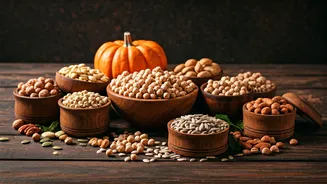
Nuts are a nutritional powerhouse, making them an excellent choice for a winter snack. They are loaded with protein, healthy fats, and fiber, contributing
to a feeling of fullness. Consider almonds, walnuts, and cashews, all of which offer substantial protein content. Almonds, for instance, are a convenient snack that can be easily carried around. Walnuts contribute beneficial omega-3 fatty acids, crucial for overall health, and cashews have a delicious taste. Consuming a handful of mixed nuts can significantly contribute to your daily protein intake and help curb cravings, making them a wise choice for weight management during winter.
Seeds: Tiny Nutritional Giants
Seeds, though small, are packed with essential nutrients and protein, making them an ideal snack. Consider including pumpkin seeds, sunflower seeds, and flax seeds in your winter diet. Pumpkin seeds provide a good source of zinc, vital for immune function during winter. Sunflower seeds offer vitamin E and selenium, both antioxidants that help protect the body. Flax seeds are rich in omega-3 fatty acids and fiber, promoting satiety and aiding digestion. These tiny giants can be easily added to your snacks by sprinkling them on yogurt, adding them to trail mixes, or simply snacking on them directly. Regular consumption of seeds can help boost your protein intake and contribute to overall wellness.
Makhana: Nutrient-Rich Choice
Makhana, or fox nuts, are a popular snack, especially in Indian cuisine, and make a great high-protein choice. They are relatively low in calories and high in fiber, contributing to a feeling of fullness. Makhana also contain various essential nutrients, including magnesium and calcium. They can be roasted or dry-fried, making them a crunchy and satisfying snack option. Makhana can be spiced with various seasonings, providing a range of flavors to suit different preferences. Including makhana in your diet can add diversity and increase your protein intake, thus helping you stay full and manage your weight more effectively during the winter.
Chickpeas: Versatile Protein Source
Chickpeas, another excellent source of protein, can be incorporated into your winter snack regime. They can be prepared in various ways, such as roasted chickpeas, which offer a satisfying crunch. Chickpeas are also rich in fiber, which helps promote digestive health and keeps you feeling full for longer. Another tasty option is hummus made from chickpeas, which can be paired with vegetable sticks for a nutritious snack. Chickpeas provide a good source of iron and other essential nutrients. The versatility of chickpeas allows you to create numerous snack options, ensuring your diet remains interesting and supporting your weight management goals during winter.
Greek Yogurt: Creamy Protein Boost
Greek yogurt is a fantastic source of high-quality protein and a perfect winter snack. It contains a higher protein content than regular yogurt, making it more effective at promoting satiety. Greek yogurt also offers probiotics that are good for gut health. To make it more flavorful and interesting, you can add nuts, seeds, or a small amount of fruit. The creamy texture and satisfying taste of Greek yogurt make it a great alternative to less healthy snacks. It is a quick and convenient option that provides you with energy and nourishment, aiding your weight management and overall health throughout the winter months.
Eggs: Essential Protein Source
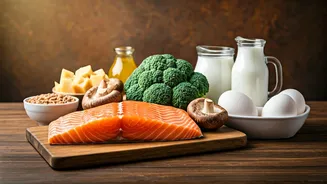
Eggs, a versatile and complete protein source, are ideal for a quick and satisfying snack during winter. They are rich in essential amino acids, which are crucial for muscle repair and overall body function. Boiled eggs are a convenient and easy-to-carry snack. You can hard-boil a batch at the start of the week and enjoy them whenever you need a protein boost. Eggs can also be incorporated into omelets or frittatas, adding vegetables and other protein sources. Consuming eggs helps you stay full, provides vital nutrients, and assists you in managing your weight effectively, providing a wholesome approach to winter snacking.
Cottage Cheese: Protein Delight
Cottage cheese is a protein-rich snack that also offers a delightful creamy texture. It's relatively low in calories and provides a significant amount of casein protein, which is slowly digested, promoting a sustained feeling of fullness. You can enjoy cottage cheese on its own or add fruits like berries for added flavor and nutrients. Cottage cheese offers the advantage of convenience and simplicity, making it a valuable addition to your winter snack list. Its high protein content makes it an excellent choice for curbing hunger and contributing to weight management. Pairing cottage cheese with various toppings or eating it plain provides versatility in your diet.
Edamame: Plant-Based Powerhouse
Edamame, or young soybeans, is a complete plant-based protein source. These beans are high in fiber, aiding digestion and keeping you satisfied. They are also packed with vitamins and minerals, supporting your overall health during the winter months. You can steam or boil edamame and season them with salt or your favorite spices. Consuming edamame provides a delicious and nutrient-rich snack that can contribute significantly to your daily protein intake. The combination of protein and fiber in edamame helps control appetite and promotes weight loss. Incorporating edamame into your snack choices can improve your health during winter.
Protein Smoothies: Quick, Filling
Protein smoothies are a quick and convenient way to get a protein boost during winter. They can be customized with various ingredients, such as protein powder, fruits, and vegetables. Protein powders, like whey or soy, offer a concentrated protein source. Including fiber-rich fruits like berries and spinach can enhance satiety. Smoothies are incredibly adaptable to personal preferences and dietary needs. They are portable and easy to consume on the go, making them a practical choice for busy winter days. Regularly incorporating protein smoothies can help maintain muscle mass, curb cravings, and support your weight management goals.
Tuna Salad: Protein-Packed Meal
Tuna salad, made with canned tuna, is a classic protein-rich snack or a light meal option for the winter season. Tuna is a good source of protein and omega-3 fatty acids, which are beneficial for heart health. Prepare your tuna salad with plain Greek yogurt or avocado instead of mayonnaise to boost the protein and healthy fats. You can enjoy tuna salad with whole-grain crackers or veggie sticks to add fiber and nutrients. This snack offers convenience and a substantial protein boost, contributing to weight management and overall wellness during winter. It is an easy way to satiate hunger, provide essential nutrients, and support your health during the colder months.