






A Cleaner Kitchen Future
India is actively championing renewable energy, and a notable advancement in this pursuit is the creation of a cooking stove powered by hydrogen. This
innovation holds significant promise for diminishing our reliance on LPG, a fossil fuel, while simultaneously fostering a healthier environment. Startups are playing a crucial role in advancing sustainable energy solutions across India, and this development is a prime example. The focus on hydrogen for cooking is particularly exciting because it burns cleanly, producing only water vapor as a byproduct. This aligns perfectly with global ambitions to transition to a hydrogen-based economy and curb carbon emissions. The article delves into the hurdles and possibilities associated with making such technologies mainstream, including the need for robust infrastructure, clear safety standards, and public acceptance. Furthermore, it examines the potential benefits for both rural and urban homes, and how this innovation contributes to India's energy security and climate objectives, underscoring the power of innovation and entrepreneurship in tackling environmental and energy concerns.
From Water to Flame
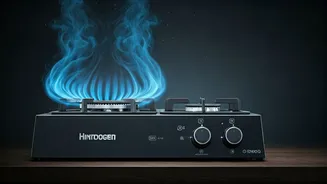
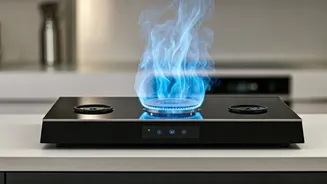
Amidst global energy market fluctuations impacting LPG prices and supply in India, a new contender has emerged for large-scale cooking needs in community kitchens, hostels, and temple settings. Founded in 2024, Greenvize, a Haryana-based clean-tech startup, is at the forefront of this change with its plug-and-play hydrogen cooking system, designed to eliminate the reliance on traditional LPG cylinders. This venture, led by Sanjeev Choudhary, aligns with India's National Green Hydrogen Mission. While Greenvize also explores other clean energy technologies, their hydrogen stove is garnering considerable attention. This innovative stove functions similarly to conventional gas stoves but operates exclusively on green hydrogen. Featuring a dual-burner setup and manual ignition, its key differentiator is its self-contained nature—no bulky cylinders or external fuel storage are needed. The system generates its own fuel from water and electricity, requiring approximately 100 ml of water and 1 kWh of electricity for several hours of cooking. Unlike induction cooktops, it is compatible with standard cookware and aims for a balanced energy consumption.
The Science Behind It
The core of this advanced cooking system lies in its integrated Proton Exchange Membrane (PEM) electrolyser. This sophisticated technology leverages electricity to meticulously split water (H₂O) into its constituent elements: hydrogen and oxygen. Rather than relying on bulk storage of hydrogen, the Greenvize stove intelligently produces the fuel precisely when it's needed. Water is introduced into the system, where the electrolyser performs its function, yielding hydrogen that is immediately channeled for use as cooking fuel. The oxygen, being the sole byproduct of this process, is harmlessly released into the atmosphere. This on-demand fuel generation mechanism effectively bypasses the complex logistics of fuel storage and transportation typically associated with LPG. It streamlines the entire operation, with water and electricity serving as the primary inputs. Environmentally, the benefits are profound; whereas LPG combustion releases greenhouse gases, hydrogen combustion is exceptionally clean, emitting only water vapor. This positions the technology as a highly appealing option for organizations aiming to significantly reduce their carbon footprint without compromising cooking efficiency.
Practicalities and Pricing
This hydrogen cooking stove is primarily engineered for demanding, high-volume cooking environments such as institutional canteens, large religious kitchens, or hostel dining facilities where continuous operation is essential. The system is robustly designed to sustain extended cooking periods, ensuring an uninterrupted fuel supply, a stark contrast to the potential disruptions from LPG cylinder refilling schedules. However, this innovative solution comes with a substantial upfront investment. Units are reportedly priced around ₹1.5 lakh, positioning it as a significant capital outlay compared to conventional LPG setups. The economic viability is expected to improve over time as hydrogen production costs decline and fuel savings begin to offset the initial expenditure. Practical considerations such as the availability of a consistent electricity supply, adequate installation space, and the need for specialized technical maintenance will also influence the ease and speed of widespread adoption. The question of whether this can truly rival LPG hinges on cost reduction, infrastructure development, and the evolution of the green hydrogen ecosystem in India.