




The Vanishing Year
It's a sentiment many share: the year, or even just a few months, seems to have evaporated into thin air. One moment, we're setting ambitious goals for
the new year, brimming with plans for productivity and personal growth, and the next, we're already a quarter of the way through, facing a to-do list that has ballooned far beyond its initial scope. This feeling of time not merely flying but actively disappearing has become increasingly pronounced in recent years, prompting a deeper investigation into its causes. This article delves into the intriguing theories that attempt to unravel why our internal clocks seem to be running at an ever-increasing speed, making us question our own experiences of its passage.
The Proportional Perspective
One compelling explanation for our shifting perception of time comes from what's known as the Proportional Theory. This theory suggests that our experience of a duration, like a year, is relative to our total lifespan. For a five-year-old, a year represents a significant 20% of their entire existence, a vast expanse filled with novel experiences and learning. However, for someone who has lived for fifty years, a single year constitutes a mere 2% of their accumulated life. As we age and accumulate more years, each subsequent year naturally becomes a smaller fraction of our total lived experience. This logarithmic effect means that the subjective duration of time appears to shrink as we get older, making recent years feel shorter than those in our distant past.
Brain's Efficiency Drive
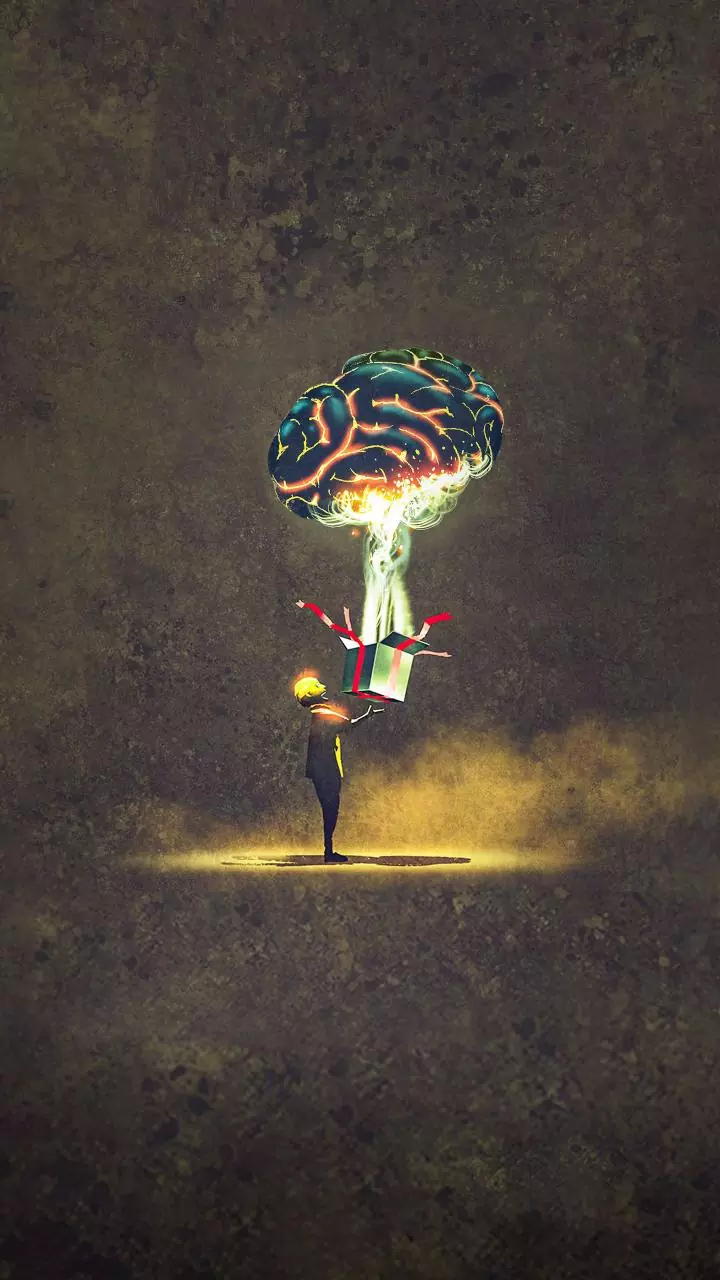
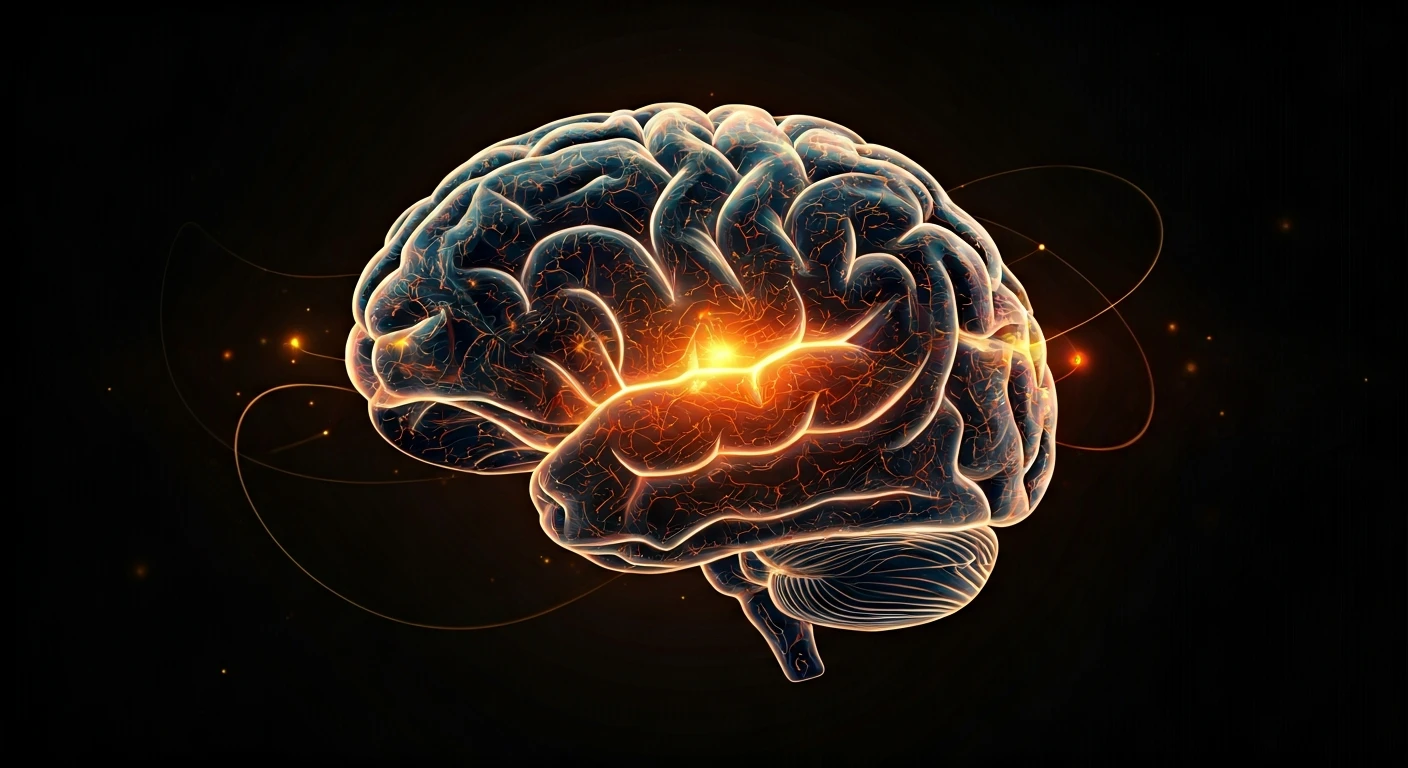
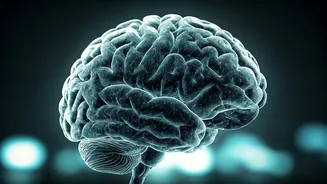
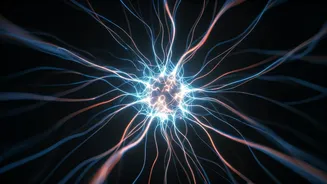
Beyond simple proportion, contemporary neuroscience offers a more nuanced, almost poetic explanation rooted in how our brains process information. Our brains are inherently wired for efficiency. In our formative years, when every experience is a novelty, our brains work overtime, forging new neural pathways and creating dense, vivid memories. This period of intense learning and discovery—first love, first setbacks, the sensations of rain or the feel of fresh grass—makes time feel thick and expansive. We are absorbing and encoding a wealth of detail, which contributes to a perception of time stretching out. As we mature and our lives become more routine, with predictable commutes and familiar tasks, our brains begin to conserve energy. They stop meticulously recording every detail, opting instead for shortcuts. This reduction in detailed memory encoding, as proposed by the Proportional Theory, leads to the sensation that time is disappearing, not because it's truly lost, but because our recollection of it has become less granular.
Philosophical Timekeepers
Throughout history, philosophers have grappled with the ephemeral nature of time. The Stoic philosopher Seneca, in his seminal work 'On the Shortness of Life,' offered a stark perspective: life isn't inherently brief, but rather we squander its precious moments. He argued that humans tend to live as if they have an infinite future, only to be confronted with the emptiness of their time once it's too late. This realization, often experienced with regret, leads to the common lament: 'Where did the time go?' This philosophical viewpoint highlights a crucial aspect of our temporal experience: it's not just about the objective passage of seconds and minutes, but about how consciously and purposefully we engage with the moments we are given, and the wisdom in recognizing our mortality to imbue our present with greater value.
The Block Universe
From the realm of physics, the concept of the 'Block Universe' theory presents a radical redefinition of time. This model posits that the past, present, and future all exist simultaneously, much like different sections of a library. In some advanced theoretical frameworks, scientists even speculate about the possibility of traversing time, akin to navigating those library shelves. While this idea offers an elegant theoretical framework, it can feel somewhat detached from our lived reality. It potentially removes the urgency and the emotional weight we associate with the passage of time, such as the poignant feeling of a Sunday evening anticipating the coming week. This perspective, while intellectually stimulating, might diminish the human experience of temporal anxiety and the motivation that arises from our awareness of its finite nature.
Embracing the Now
Our tendency to view events like New Year's Eve as definitive portals for change often leads to an overestimation of what a single day can achieve and an underestimation of the cumulative power of consistent effort over time. We tend to believe that a dramatic shift on one specific day is necessary for transformation, neglecting the reality that our lives are a continuous stream of infinite 'nows.' Physics tells us that our perception of 'now' is fleeting, a brief window of about three seconds. While we might be a quarter through the year, countless 'nows' remain. Every morning offers a fresh start, and every hour presents a new opportunity. Instead of waiting for an extraordinary moment, we should recognize that each passing hour is a chance to act—to read that book, make that important call, or pursue a passion. The true beauty of time lies not just in its transient nature but in its persistent availability, constantly offering us new beginnings.
Planting for Tomorrow
The ancient proverb, often attributed to both African and Chinese wisdom, wisely states, 'The best time to plant a tree was 20 years ago. The second-best time is now.' This adage beautifully encapsulates the essence of making the most of our temporal journey. To look back on a life rich with memories and meaning, we must actively seek out surprise, delight, and engagement, ensuring that nothing significant slips by unnoticed. This involves making conscious, deliberate choices in the present moment. By embracing this philosophy of proactive engagement and 'packing our slice of time more densely' through small, intentional acts, we can cultivate a life that feels full and meaningful, regardless of how quickly the years seem to pass. It's about living with intention, creating a legacy of experiences rather than simply observing time's relentless march.