






Amla: Vitamin C Powerhouse
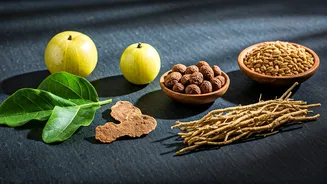
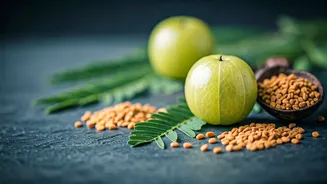
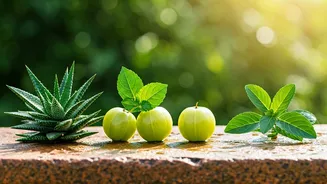
Amla, often referred to as the Indian Gooseberry, stands out as a remarkable source of Vitamin C, offering a concentration nearly twenty times that found
in oranges. This potent fruit plays a dual role in TB recovery by significantly enhancing the body's ability to absorb iron, a crucial mineral often depleted during illness. Furthermore, its rich antioxidant profile actively assists in the detoxification process, thereby safeguarding the liver from the strains often associated with prolonged medication regimens. By bolstering the immune response and aiding in toxin elimination, amla provides vital support for patients battling tuberculosis.
Turmeric: Anti-inflammatory Champion
Turmeric, or 'Haldi' in India, owes its remarkable health benefits to curcumin, its primary active compound. Curcumin possesses powerful anti-inflammatory and antibacterial properties that are particularly beneficial for individuals with tuberculosis. It works to mitigate the inflammation in the lungs that the infection causes, easing respiratory distress. To maximize its absorption and efficacy, it's recommended to consume turmeric with warm milk or a pinch of black pepper, as these pairings significantly enhance bioavailability. This synergy aids the body in combating the growth and proliferation of the bacteria responsible for TB.
Drumsticks: Nutrient Replenishment
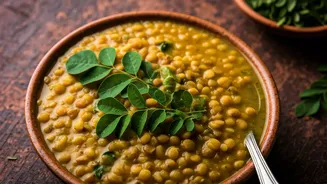
The leaves and pods of the drumstick tree, scientifically known as Moringa, are veritable treasure troves of nutrition. They are abundant in essential nutrients such as protein, Vitamin A, and various minerals vital for recovery. Moringa acts as a natural antibiotic, showing efficacy against the specific bacteria that cause tuberculosis. Incorporating moringa into your diet, whether in soups or curries, is an excellent strategy for replenishing the nutrients lost due to the illness and combating the profound fatigue that often accompanies it. Its nutrient density helps restore strength and vitality.
Garlic: Natural Lung Healer
Garlic contains potent compounds like Allicin and Ajoene, which have been scientifically validated for their ability to inhibit the growth of tuberculosis-causing bacteria. Beyond its direct antibacterial action, garlic serves as a natural expectorant, effectively helping to clear excess mucus from the lungs. This cleansing action is invaluable for alleviating respiratory congestion. Consistent consumption of garlic can significantly contribute to strengthening the respiratory system, supporting a smoother recovery process for individuals undergoing treatment for TB.
Custard Apple: Calming Energy Boost
Custard apple, or 'Sitaphal,' is celebrated for its high caloric density, making it an ideal food choice for patients experiencing weight loss due to illness. This fruit is also a good source of Vitamin C and potassium, nutrients that can help manage debilitating symptoms such as fever and general weakness often associated with tuberculosis. Its naturally cooling properties offer a soothing effect on the body's systems, providing comfort and aiding in the overall management of the disease's impact.
Ashwagandha: Vitality Restorer
Ashwagandha, often referred to as Indian Ginseng, is a powerful adaptogenic herb crucial for restoring overall vitality. Tuberculosis can lead to significant physical and mental exhaustion, and Ashwagandha is known for its stress-reducing capabilities, helping patients cope with the emotional toll of the illness. Furthermore, it plays a role in promoting the recovery of muscle mass, which can be lost during prolonged sickness. By enhancing the body's natural defense mechanisms and improving resilience, Ashwagandha supports a more robust recovery.
Black Pepper: Congestion Relief
The active compound in black pepper, piperine, offers significant benefits for TB patients. It is highly effective in clearing chest congestion, a common and uncomfortable symptom. Moreover, piperine enhances the body's ability to absorb other beneficial nutrients from food, thereby amplifying their healing effects. Its role in reducing mucus production and suppressing persistent coughs is particularly noteworthy, contributing to easier breathing and greater overall comfort during the recovery phase.
Finger Millet: Sustained Energy
Finger Millet, known as Ragi, is an outstanding source of both calcium and dietary fiber, providing sustained energy release essential for individuals battling chronic illnesses like tuberculosis. Given that adequate protein and calorie intake are paramount for the repair of lung tissues, ragi emerges as a vital dietary component. Whether prepared as a porridge or incorporated into rotis, ragi offers an easily digestible and nutrient-dense staple that supports the body's healing processes and helps meet increased nutritional demands.